Belt Technologies PureSteel® cylinders provide custom solution for healthcare product producer
When a producer of healthcare and personal care products was tired of sloppy, inconsistent results from their traditional embossing and silicone printing processes, they sought a steadier, more reliable and cost-effective solution. Belt Technologies was able to create a custom solution for their problem, creating a relationship set to last for years to come.
The Problem
The customer was struggling with their current printing process, which pushed silicone through a grown nickel screen using a scraper blade to create intricate printed patterns such as chevrons and waves. They also used a traditional embossing process using a complex, loom woven belt made from PET fibers.
Unfortunately, the screens had thin walls with sharp burrs around the perforation pattern, affecting the silicone print medium and negatively impacting the final product’s print quality and adhesion. The screens typically only lasted one to two months, resulting in costly turnover, and their embossing process resulted in a weakened end product. The customer wanted a new solution that used a thicker, more robust material and offered cost saving benefits. That’s when custom cylinder belts and pulleys from Belt Technologies came into play to create a new conveyor.
The Solution
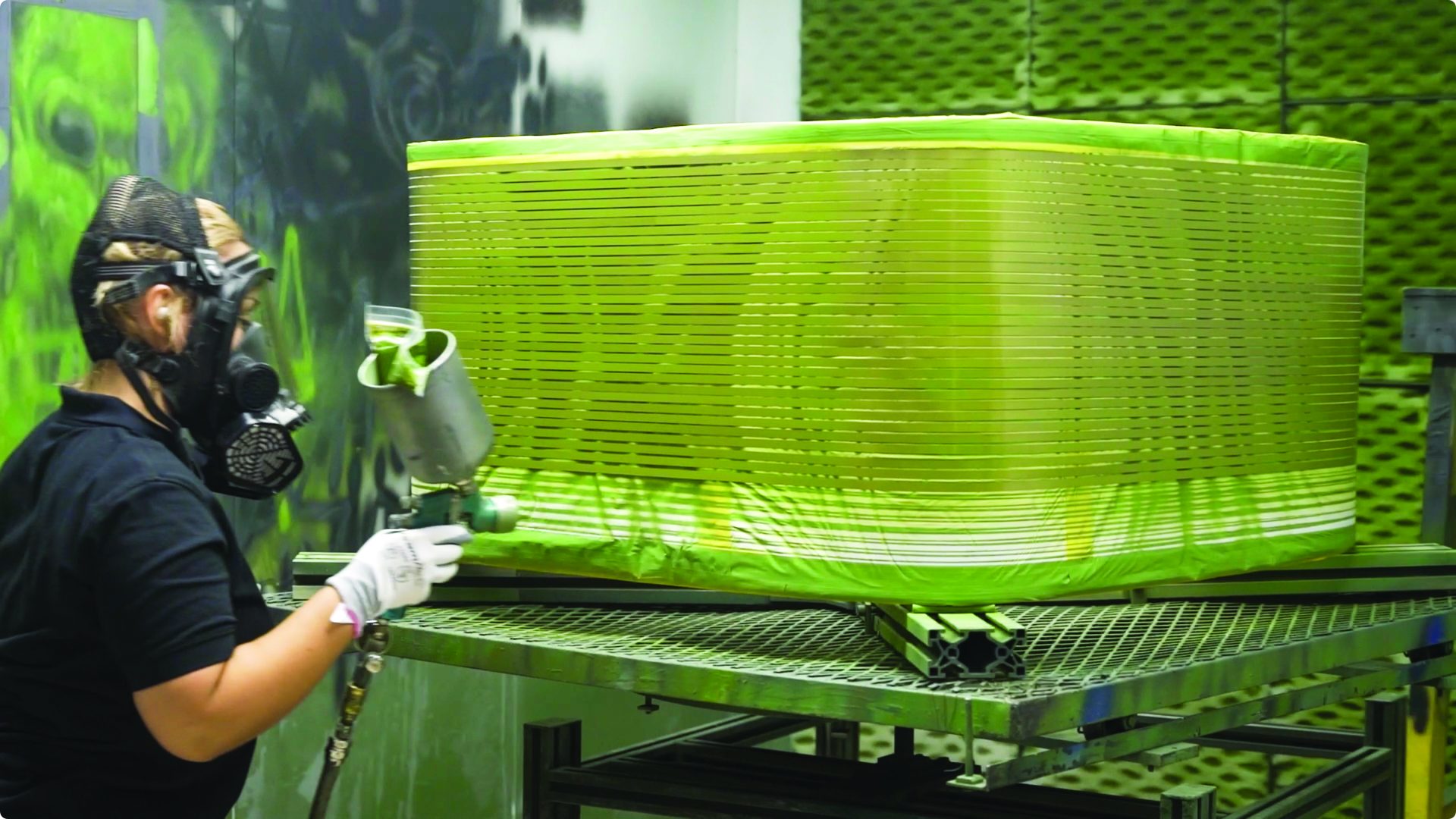
The customer reached out to Belt to find out how we could improve their current printing process and eliminate the need for embossing. A custom version of our perforated cylinders and pulleys was the perfect fit to solve the issues with bonding and print clarity.
“We have a wide range of stock products, but creating custom solutions is really where we shine,” said Brian Harbison, managing director of Belt Technologies. “For this project, we knew our PureSteel® material would make the process more precise and the pattern clearer. We were able to double the thickness and create more height, which allowed for the intricate patterns to be created by thousands of perforated holes.”
Along with increased thickness and more accurate patterns, Belt was also able to add a Teflon coating to help ensure the silicone does not stick to the cylinder.
“Turning a flat piece of metal into a perfect disk is a difficult task,” continued Harbison. “We tried numerous flat welds before we found the right formula to create the current products, and it works extremely well.”
The Result
With double the thickness, an anti-stick coating and a more accurate hole pattern, the customer was able to improve their process while also making it more cost effective, eliminating the need to emboss products, instead turning to solely using the silicone solution. This has allowed them to open up production in new markets. Belt Technologies continues to work with this customer to develop additional solutions for other production challenges. Our goal is to help them radically change the way they run their production process so they can achieve larger production matches, shorter printing times and reduced production costs.
The Company: A well-known producer of healthcare and personal care products including toilet paper and adult diapers.
The Problem: A printing process that was expensive, inaccurate, not customizable and had sub-optimal adhesion.
The Solution: A thicker, higher, anti-stick, and more accurate cylindrical screen for silicone printing that could be customized to any design.
The Result: A cost effective, improved printing process with increased precision and adhesion, allowing the client to open up production in new markets.
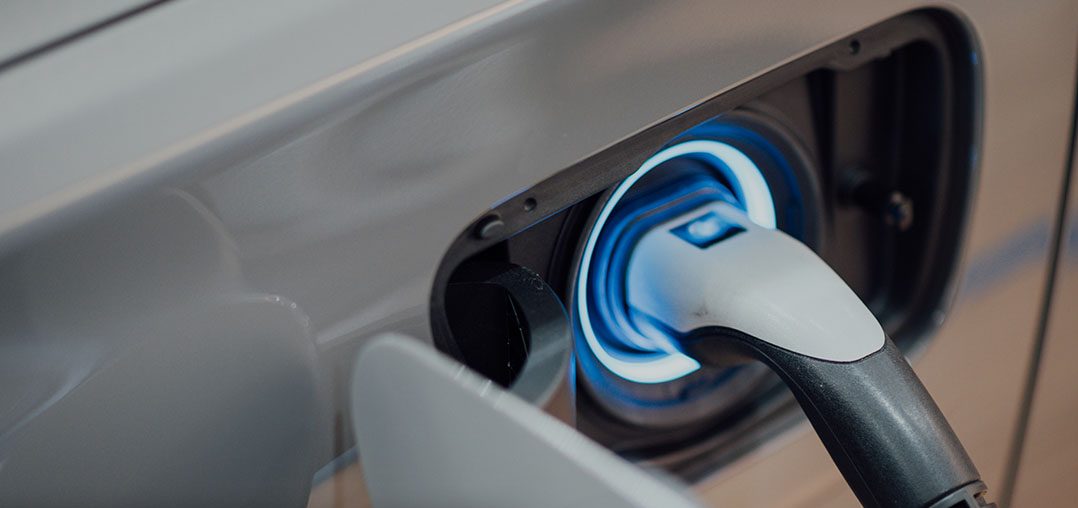
 As the effects of climate change continue to impact the world in increasingly negative ways, people across the United States have decided to take the initiative to lower their personal carbon footprint into their own hands. In fact, according to the