Belt Technologies Logo

Precision in Motion: Why PureSteel® Belts Outperform in Demanding Automation Environments

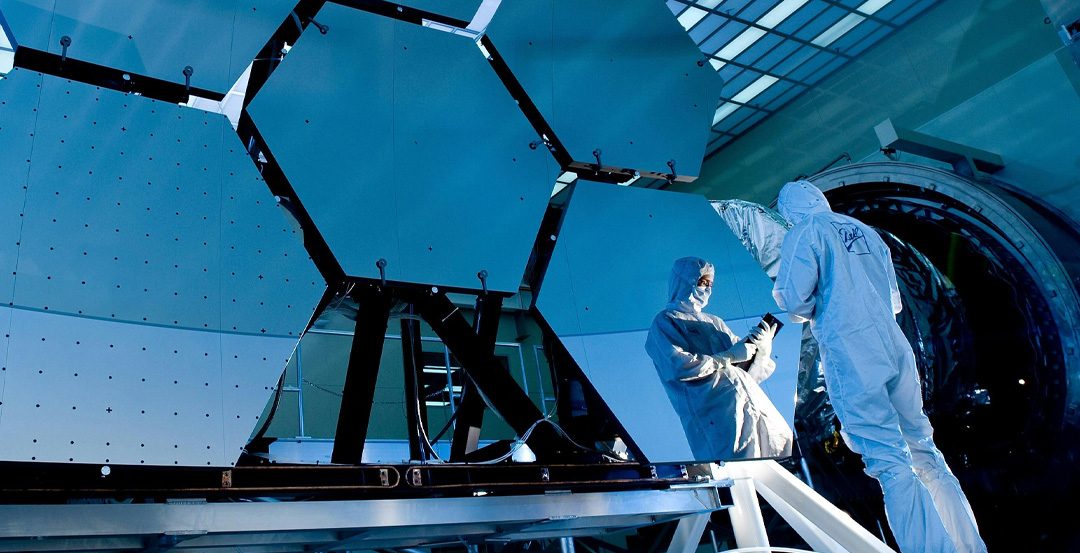
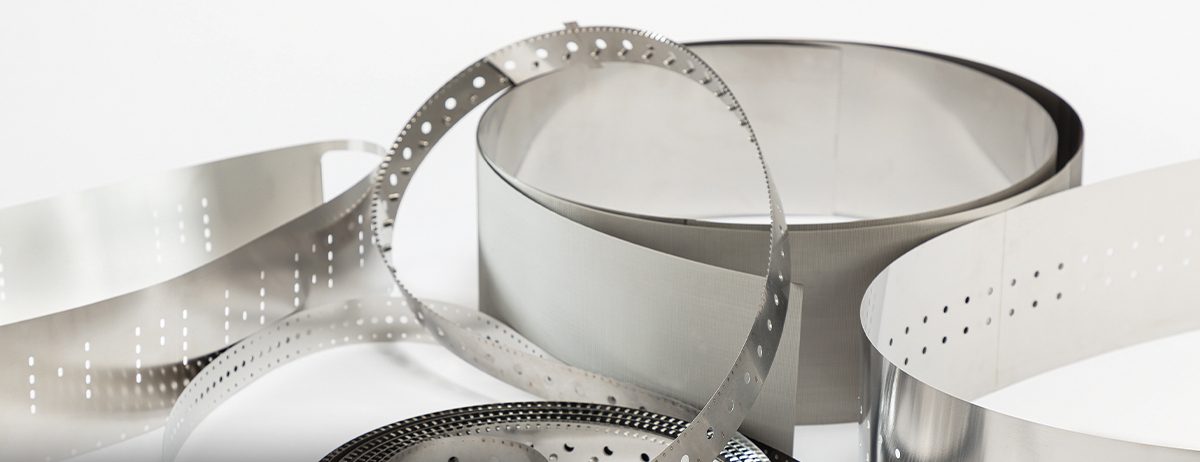
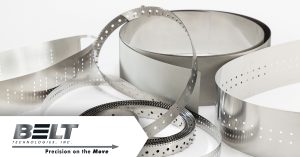
a selection of Belt Technologies PureSteel® metal beltsWhen precision, cleanliness and durability are non-negotiable, manufacturers turn to Belt Technologies, Inc. For over 50 years, we’ve engineered and manufactured PureSteel® stainless steel metal belts and conveyor systems for some of the most challenging industrial applications in the world, including demanding automation environments. Here’s a closer look at our proven manufacturing process and what sets us apart.

From Concept to Custom Solution: Collaborative Design

Every project begins with collaboration. Our experienced sales engineers work directly with customers to understand their unique application requirements. Whether it’s precise motion control in semiconductor fabrication or cleanroom compliance in medical device manufacturing, our team listens first. We take all details into account—dimensional tolerances, environmental conditions, throughput needs and integration requirements—to engineer a belt system that solves specific challenges.

Material Selection: High-Strength Stainless Steel

Belt Technologies uses only high-strength stainless steel to manufacture our PureSteel products. This material offers unmatched resistance to temperature extremes, chemicals and contamination, making it ideal for applications in demanding automation environments like those found in food processing, electronics and pharmaceuticals. Stainless steel also ensures dimensional stability over time, reducing maintenance needs and minimizing downtime.

Precision Manufacturing and Welding Expertise

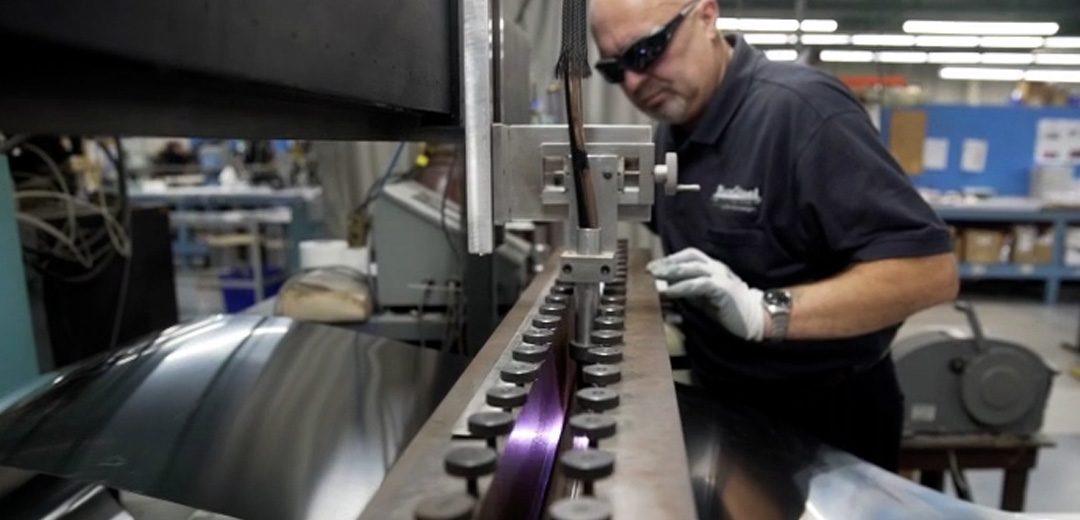
Our manufacturing process is built for accuracy. PureSteel® belts are fabricated to exacting standards, often with tolerances as tight as ±0.0005 inches. Welding is a critical part of our process, and it’s where our expertise truly stands out. Our skilled operators treat welding as both an art and a science, ensuring surface flatness, belt strength and joint integrity. Few manufacturers can match our consistency or level of craftsmanship.

Component Integration: Beyond the Belt

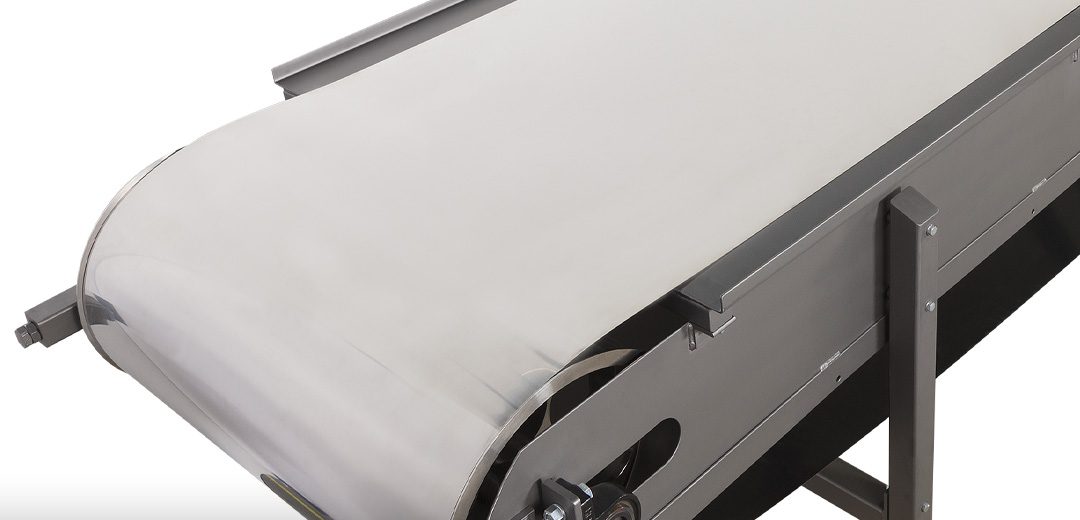
A conveyor belt is only as effective as the system that drives it. Belt Technologies delivers complete, turnkey conveyor systems that include pulleys, metal framing, motor controls and vacuum systems when needed. Each component is designed to function as part of an integrated whole. This saves our customers time and ensures optimal system performance with minimal engineering overhead on their end.

Quality Assurance and ISO Certification

All PureSteel® products are manufactured under our ISO 9001-certified quality management system. We maintain strict quality controls at every stage of production to ensure compliance with industry standards and customer specifications. Each belt and system undergoes rigorous testing before it leaves our facility in Agawam, Massachusetts.

Tailored Solutions for Demanding Industries

From robotic surgery equipment to battery manufacturing lines, Belt Technologies serves a wide array of sectors where failure is not an option. Our solutions power applications that require high precision, repeatability and hygiene. For example, in cleanroom environments typical of the electronics industry, our belts perform with zero lubrication and generate minimal particulate.

Why Choose Belt Technologies?

Manufacturers worldwide rely on Belt Technologies because we do more than supply belts—we engineer results. Our PureSteel belts don’t stretch. They maintain accuracy across countless cycles. And they’re backed by decades of expertise and a collaborative process that puts your needs first.

Ready to optimize your automation system with a metal belt solution built for your environment? Contact our engineering team today to get started.
Precise, Smooth Motion: Understanding Vacuum Conveyors

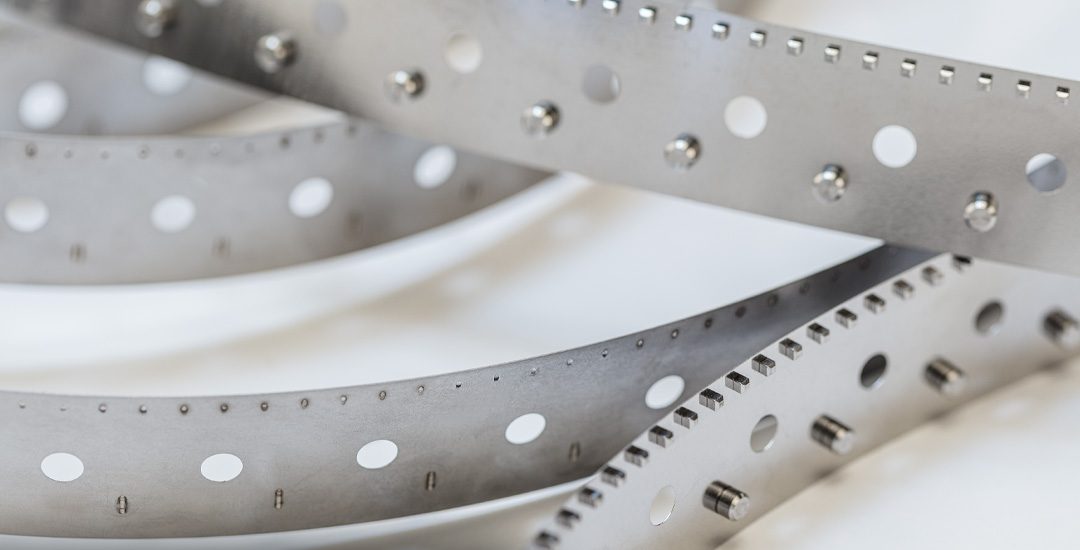
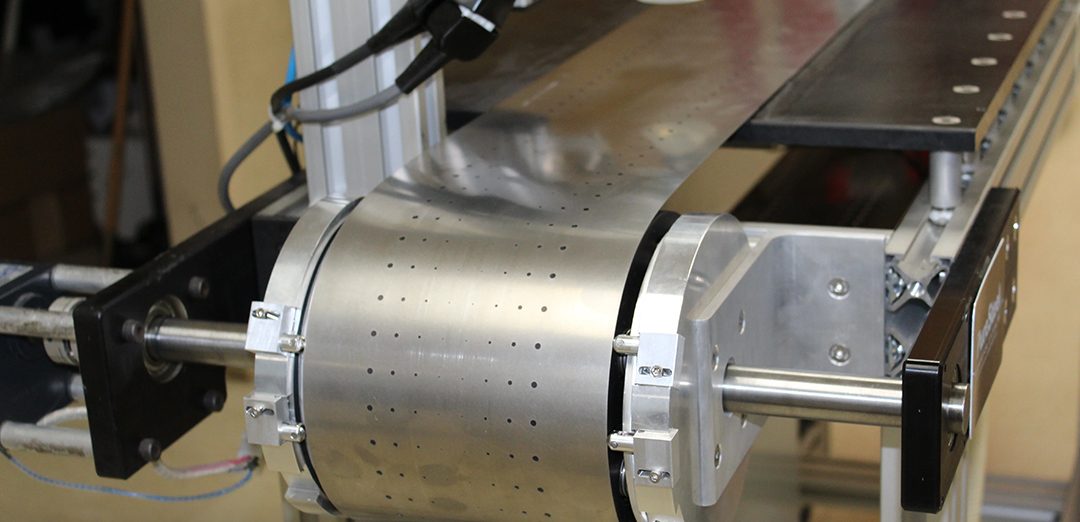
A close-up of a perforated steel belt in a vacuum conveyor systemVacuum conveyors are a pivotal technology for industrial automation and material handling, providing a level of precision, cleanliness and efficiency demanded by industries from pharmaceutical to food processing and electronics manufacturing.

What is a Vacuum Conveyor?

A vacuum conveyor is a type of pneumatic conveying system that employs suction to move materials through an enclosed pipeline. By creating a pressure differential, materials are gently pulled from one location to another, ensuring a dust-free and hygienic transfer process. This method is particularly beneficial when handling fine powders, granules, and other dry materials. The core components of a vacuum conveyor system include:

  • Vacuum Pump: Generates the necessary negative pressure to initiate material movement
  • Conveying Line: An enclosed pipeline through which materials are transported
  • Vacuum Receiver: Separates the conveyed material from the air stream before discharge

 Vacuum conveyor systems are closed systems, ensuring material integrity and enhancing workplace safety by preventing dust emissions and potential contamination.

Benefits For Applications Across Industries

Vacuum conveyors help maintain a controlled environment, making them essential in processes demanding product purity and precision. They find applications across industries, including:

  • Pharmaceuticals: For transferring active ingredients and excipients without contamination
  • Food Processing: Ensuring hygienic movement of food ingredients
  • Chemical Industry: Safely handling reactive or hazardous substances
  • Electronics: Transporting delicate components in cleanroom environments
  • Pick and place equipment

Steel Belts Enhance Vacuum Conveyor Performance with Precise, Smooth Motion

PureSteel® perforated metal belts are flat, endless metal conveyor belts manufactured with precision perforations, allowing for the passage of air drawn through grooves in the vacuum plenum of the conveyor to create a suction effect that holds flat product materials to the belt surface. This allows for a level of precision and accuracy unattainable with traditional systems.

Stainless steel belts provide:

  1. Precision Perforation: Our PureSteel® stainless steel conveyor belts are designed and manufactured based on the specific needs and specifications of our customers. A wide variety of different perforation patterns and sizes are possible, and our engineers will provide design feedback and technical support to ensure maximum efficiency. We use a variety of perforation methods based on the dimensions of the belt and the operational requirements of the vacuum conveyor system including: high-impact mechanical punching, chemical etching and laser cutting
  2. Material Integrity: Constructed from high-grade stainless steel, PureSteel® belts resist extreme temperatures, corrosion and wear. Their durability ensures longevity and reduces maintenance downtime. Steel is also ideal in applications involving elevation change and temperature fluctuations.
  3. Cleanroom Compatibility: Because PureSteel® stainless steel belts do not generate particulates, manufacturers can increase product throughput with less downtime spent cleaning or removing debris buildup.
  4. Smooth Motion Control: The inherent strength and stability of stainless steel provide precise, smooth motion—essential for applications requiring exact material placement.

Coatings and surface treatments for perforated metal conveyor belts are also available; our engineers will help you determine the right coating and PureSteel® product requirements for your system.

Vacuum Conveyor Belt Engineering

Engineers at Belt Technologies have the knowledge and experience to design and fabricate complete vacuum metal conveyor belt systems based on your specifications and product requirements and built to withstand even the most demanding production environments.

Interested in learning more about how PureSteel® can help optimize your vacuum conveyor system? Reach out to our team with questions.

The PureSteel® Solution for High-Tech Production

A high-tech production line featuring The PureSteel® SolutionRobotic automation in high-tech production applications can contribute significantly to increased speed, efficiency and accuracy. It also comes with its own unique challenges, many of which can be successfully addressed with the introduction of stainless steel metal timing belts and drive tapes.

The Challenges of Robotic Automation

Motion loss and backlash of gears and timing belts can result in inaccurate positioning and robotic movement—a big problem for tasks requiring rapid acceleration, precise positioning and repetitive operations. Belt Technologies offers the PureSteel® solution to these challenges.

PureSteel® drive tapes maintain smooth movement and positional accuracy throughout their lifespan, ensuring efficient product throughput on the device and helping to avoid significant downtime for maintenance and cleaning.

High-strength stainless steel belts are non-stretchable and eliminate backlash for further precision and accuracy. They offer unparalleled durability, a high strength-to-weight ratio, and a much longer lifespan than traditional belt materials like fabric or rubber.

The PureSteel® Solution for Extreme Environments

Robotic equipment often operates in environments that pose major challenges to traditional belt materials, including:

Extreme Temperatures

Our PureSteel® timing belts and drive tapes withstand high and low temperatures without compromising their material integrity.

Cleanroom & Vacuum Environments

PureSteel® stainless steel belts are sanitary and easy to clean, making them ideal for applications requiring cleanroom environments.

They generate no debris or particulates, preventing contamination of delicate parts and products like electronics. Being insusceptible to any oxidation reactions, they will not rust.

Static-Free Environments

Unlike traditional materials like fabric or rubber, PureSteel® stainless steel belts will not generate static electricity, making them the preferred choice for the automated production of delicate electronic components.

Case in Point: PureSteel® in Action

Stainless Steel Belts for Dairy Farm Robotics

Belt Technologies was approached by an OEM producing automated robotic equipment for the dairy industry. The customer’s equipment included a robotic arm approximately three feet long with 18-inch joints controlling milking attachments with a visually guided system.

The OEM was struggling with a metal band component designed to move the arm of the machine. Because of poor attachment points and high torque, the part was experiencing a high rate of failure.

Our design and engineering experts redesigned the assembly, removing high bending loads and performing a stress optimization analysis that resulted in design changes to reduce overall stresses and extend belt life. The result was a more efficient machine that no longer required expensive and time-consuming maintenance and parts replacements.

From One A-Team to Another

Students on the Landsdale Catholic High School robotics team cruised to a number-one ranking out of 30 in competition thanks in part to a PureSteel® stainless steel drive tape from Belt Technologies.

Due to the PureSteel® drive tape’s superior accuracy, precise positioning, durability and strength, the team prevailed over previous champion robots and even won the “Engineering Inspiration” award for inspiring, helping and demonstrating strong engineering competence throughout the season.

Our own Senior Sales Engineer, Scott MacDougal, says: “We were excited for the opportunity to support these students and are so proud of their accomplishments. Growing and encouraging interest in STEM education is important to us. These students and others like them are the leaders of tomorrow. We look forward to seeing their resumes come through the door in the near future.”

The PureSteel® Solution to Your High-Tech Production Application

Call on the experts at Belt Technologies to help you solve your high-tech robotic production challenges and maximize efficiency and quality. Reach out to us today.

Sunny Side Up: Steel Belts in Solar Production

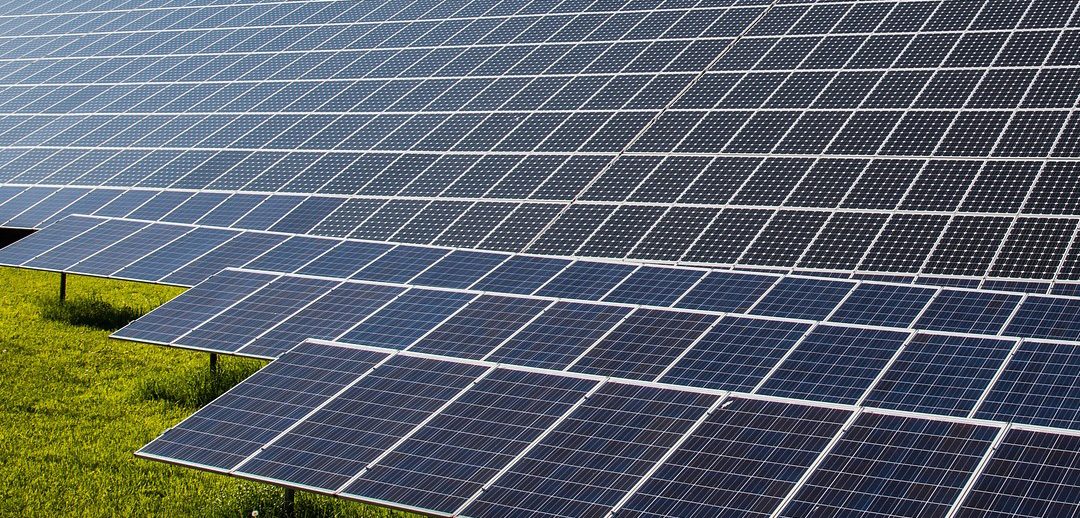
The market for renewable energy solutions continues to grow, creating a terrific upswing in technological innovation and the demand for more efficient and reliable ways to produce photovoltaic products, including solar PV cells.

Achieving Positional Accuracy

These innovations have introduced a particular set of problems for manufacturers trying to automate solar panels and solar equipment production. Plastic and fabric belts have continuously failed to meet the industry’s unique demands. As a result, stainless steel conveyor belts have become the optimal choice when designing solar panel tabber and stringer equipment.

Stainless Steel Is Resistant to Extreme Temperatures

Solar panels are produced by welding individual cells together using blasts of hot air up to 390°C (734°F). While other belt materials will warp or melt at these temperatures, the stainless steel materials react well to the thermal cycles in stringing processes to maintain consistency, shape, and Functionality, ensuring positional accuracy.

We offer a variety of stainless steel alloys with varying degrees of thermal resistance; this means our engineers can design the perfect stainless steel belt for your application, including additional coatings and surface treatments.

Perforations for Reliable Vacuum Transportation

Vacuum conveyors are often used in the production of solar panels. Our customers benefit from our custom perforated PureSteel® belts that work in tandem with vacuum systems to deliver smooth and precise movements. The accuracy of the perforated belt is maintained in harsh environments throughout the belt’s life.

Clean, Accurate Conveyor Systems Built to Last

PureSteel® stainless steel conveyor belts offer cost savings to manufacturers by reducing the number of necessary belt changes—less downtime makes for predictable, consistent output. Additionally, metal belts are clean to operate, do not require lubrication, minimize debris buildup and do not generate particulates that can damage sensitive solar cells.

Case Study: An Out-Of-This-World Solar Panel Solution

The Problem

The customer is an American manufacturer that operates a satellite communications service and provides internet access to a rapidly expanding global subscriber base. To create the necessary panels for all these satellites, the customer incorporated a production line consisting of small stringer conveyors to assemble the cells—each of which uses several of our stainless steel belts—and multiple six-axis robots to lift them, turn them and place them in a central area for electrical testing. This last step, which was originally completed by hand, proved to be a bottleneck for the overall operation.

The Solution

The customer asked our team for a conveyor to accurately move cells into place and maintain positioning for electrical testing before ushering them down the line. The customer also required a quick turnaround for delivery, so when they provided us with their required specifications for acceleration, speed, cycle-time and duty-cycle, we jumped right in.

After an exchange of ideas, our team first created a vacuum conveyor with a perforated belt, which helped maintain the position of the cells during the test. Although the initial belt and vacuum system met all the customer’s design specifications, it did not achieve their desired performance results.

We reworked the original design, ultimately replacing the vacuum system with one that used a belt with an applied friction coating. This conveyor system proved to be even more successful in achieving the cell position because, in addition to accurately positioning the cells, it also electrically isolated them from the belt for testing.

The Result

Our experienced engineers collaborated with the customer to provide this custom solution that was easy to install and maintain while surpassing production goals. So far, we have provided them with three conveyor systems, with plans for at least two more.

This customer, like many others, benefited from our custom, perforated PureSteel® belts’  ability to deliver smooth and precise movements. Due to the inherent benefits of stainless steel, the belts won’t stretch over time and can maintain an accurate index for years to come. The project’s success has opened up the opportunity for future projects and partnerships with the customer.

The PureSteel® Solution for Your Solar Application

Our steel belts offer many attributes that make them ideal for solar panels and solar equipment production. Reach out to one of our expert engineers today to discuss how we can help optimize your production.

Built to Last: Steel Belts Power Through the Toughest Challenges

When it comes to durability and strength, few conveyor systems can match the reliability of stainless steel belts. Steel belts power through extreme conditions, outperforming traditional conveyor materials in longevity, precision and resistance to environmental factors.

Belt Technologies, the leader in advanced conveyor technology, has developed the PureSteel® line of stainless steel belts, pulleys and conveyor systems to meet the highest demands of industrial applications. These systems offer unmatched durability and performance, making them the go-to choice for industries that require precision under all circumstances.

Steel Belts Power Through Where It Matters Most

Conveyor belts are the backbone of countless industries, from food processing and pharmaceuticals to automotive and aerospace manufacturing. In these demanding environments, conveyor failure is simply not an option. While synthetic belts may degrade over time due to heat, chemicals or mechanical wear, stainless steel belts continue to operate under the harshest conditions. Their high tensile strength allows them to handle heavier loads without stretching, reducing downtime and maintenance costs.

One of the key factors in the durability of steel belts is their resistance to extreme temperatures and corrosive substances. Unlike fabric or rubber belts that can crack, fray or weaken under harsh conditions, stainless steel belts withstand heat, cold and exposure to chemicals without losing integrity. This makes them particularly valuable in industries like chemical processing and electronics manufacturing, where precision and reliability are paramount.

Engineered for Longevity

While stainless steel belts are inherently more durable than other materials, proper design considerations can extend their lifespan even further. Managing the overall stress on the steel belt is the major contributor to extending the cycle life of the belt. Using a high pulley diameter to belt thickness ratio ( >600:1) and minimizing the number of pulleys in the system optimizes the belt design and life.

Another critical factor in maintaining steel belt performance is proper tensioning. Excessive belt tension or loading will have a negative effect on belt life. A timing belt is tensioned at a much lower value than a belt operated in friction drive; a lower tension in a timing system allows for smooth engagement and disengagement of the timing teeth to insure precise positioning. A belt operated in friction drive can operate at much higher tensions and loads and still provide excellent belt life.

Built for Clean, Contamination-Free Operations

Many industries, including food production, pharmaceuticals and semiconductor manufacturing, require conveyor systems that meet strict hygiene and contamination control standards. Unlike fabric belts, which can harbor bacteria and require frequent replacement, stainless steel belts are easy to clean and sanitize. They do not produce particulates or require lubricants, making them an ideal solution for cleanroom environments.

Because our PureSteel® stainless steel belts are resistant to rust and corrosion, they’re a reliable choice for processing applications that involve water, chemicals or extreme temperatures. Their smooth surfaces prevent the accumulation of debris, reducing the risk of product contamination and ensuring compliance with industry regulations.

Precision in Motion

Conveyor belt accuracy is critical in automated manufacturing environments. Even the slightest deviation in belt movement can lead to production errors, wasted materials and costly downtime. PureSteel® belts offer pitch accuracy within +/- 0.001” (0.025 mm), ensuring precise positioning. This level of precision is essential in applications such as battery manufacturing, electronics assembly, high-speed packaging lines and any automated assembly operation where consistency is key.

A Smart Investment in Efficiency

While the initial investment in stainless steel conveyor belts may be higher than traditional belt materials, the long-term benefits far outweigh the costs. The durability of steel belts significantly reduces maintenance requirements, leading to fewer system interruptions and lower operational costs over time. The extended service life of stainless steel belts translates to a lower total cost of ownership, making them a smart investment for businesses focused on efficiency and reliability.

Tailored Solutions for Every Industry

Every industry has unique demands, and Belt Technologies’ PureSteel® products are engineered to meet them all. Whether your operation requires resistance to extreme temperatures, exposure to harsh chemicals or precision handling of delicate materials, there is a PureSteel® solution tailored to your needs. With options for custom alloys and coatings, these belts can be optimized for specific applications, ensuring maximum performance and longevity.

The Future of Conveyor Systems

As industries continue to push the boundaries of manufacturing and processing, the need for durable, efficient and high-performing conveyor systems will only grow. Stainless steel belts are set to play a crucial role in meeting these evolving demands. Their ability to withstand extreme conditions, maintain cleanliness and deliver precision makes them indispensable for operations that cannot afford failure.

Belt Technologies’ PureSteel® conveyor systems embody the future of conveyor technology. With their superior strength, reliability and efficiency, they are built to last—powering through the toughest challenges and setting the standard for industrial performance. Whether you’re in chemical processing, food production or high-tech manufacturing, investing in a PureSteel® system means investing in a conveyor solution that will serve your business for years to come.

Particle-Free Production: Elevating Cleanroom Standards with Stainless Steel Belts

Cleanrooms are indispensable in industries like pharmaceuticals, electronics and food processing, where even the smallest particles can jeopardize product quality and safety.

These controlled environments are designed to maintain extremely low levels of particulates, including dust, airborne microbes and chemical vapors. At the heart of cleanroom operations lies the need for particle-free production systems, such as those powered by our PureSteel® stainless steel metal belts, drive tapes, pulleys and conveyor systems.

Why Cleanrooms Demand Particle-Free Production

In industries where contamination can lead to costly recalls, compromised safety or product failure, stringent cleanliness standards are paramount. For example:

Maintaining particle-free production in these settings ensures compliance with government and industry standards, which define acceptable levels of air cleanliness. At Belt Technologies, our stainless steel conveyor systems are engineered to meet or exceed these rigorous standards, offering unparalleled reliability for cleanroom applications.

The Stainless Steel Advantage for Cleanrooms

Stainless steel is the material of choice for cleanroom environments, thanks to its unique properties:

  • Resistance to rust and corrosion. Unlike other materials, stainless steel can withstand humid or chemical-heavy environments without degrading, ensuring long-term cleanliness and performance.
  • Contaminant Free. Stainless steel does not outgas or generate particulates from normal wear.
  • Ease of cleaning. Stainless steel surfaces are non-porous, making them easy to sanitize and resistant to contamination from biological or chemical agents.
  • Designed to withstand harsh cleaning protocols, including pressure washing and high temperatures, stainless steel belts outlast alternatives like plastics or rubber.

Design Features Prioritize Cleanliness

Our stainless steel belts and conveyor systems are meticulously designed to ensure particle-free operation. Key features include:

  • Seamless construction. Our belts are crafted with a seamless design, eliminating crevices where particles can accumulate, or bacteria can thrive. This design feature significantly reduces the risk of contamination.
  • Smooth surfaces. The ultra-smooth finish of our stainless steel belts minimizes particle adhesion, simplifying cleaning and ensuring compliance with cleanliness standards.

Additionally, our systems are customizable to suit specific cleanroom requirements, ensuring optimal performance for your unique application.

Exceeding Industry Standards

We understand the critical role of cleanliness in cleanroom operations. Our stainless steel belts and conveyor systems are rigorously tested to comply with ISO 14644 and Federal Standard 209E, providing our customers with confidence in their cleanroom operations.

With our particle-free production solutions, you can focus on delivering safe, high-quality products to your market. Reach out to see how we can help with your application.

On-Point Precision: Steel Belts Set the Standard for Accuracy

In the realm of industrial automation, precision and reliability are paramount. At Belt Technologies, we specialize in manufacturing stainless steel belts and conveyor systems that set the industry standard for accuracy, catering to design engineers dedicated to quality and continuous improvement.
Unmatched Precision and Durability

Our PureSteel® metal belts are engineered with high-precision tolerances, achieving pitch accuracies as tight as ±0.0005 inches. This level of precision ensures exceptional repeatability, making our belts ideal for applications requiring exact indexing and positioning. The inherent strength and minimal stretch of stainless steel contribute to consistent performance and longevity, and also reduce maintenance needs and downtime.

When Precision Really Matters

We don’t know any design engineers who aren’t looking for precision, but there are some applications where it is of life-saving importance as demonstrated by these case studies from the medical and pharmaceutical industry:

  • We helped a major medical manufacturer with a solution for its technologically advanced yet cost-effective robotic surgical systems, allowing surgeons to perform complex procedures with unparalleled precision and control.
  • Our PureSteel® metal belts provided a new, clean-room-compliant solution for a U.S.-based medical equipment manufacturer that required a metal belt with a pitch profile that didn’t currently exist.
  • Our solution, which features custom vial holder attachments and a custom perforation pattern in the belt for tracking and precision indexing, helped a client achieve maximum accuracy and efficiency for medical applications in freezing operating temperatures.

Zero Backlash

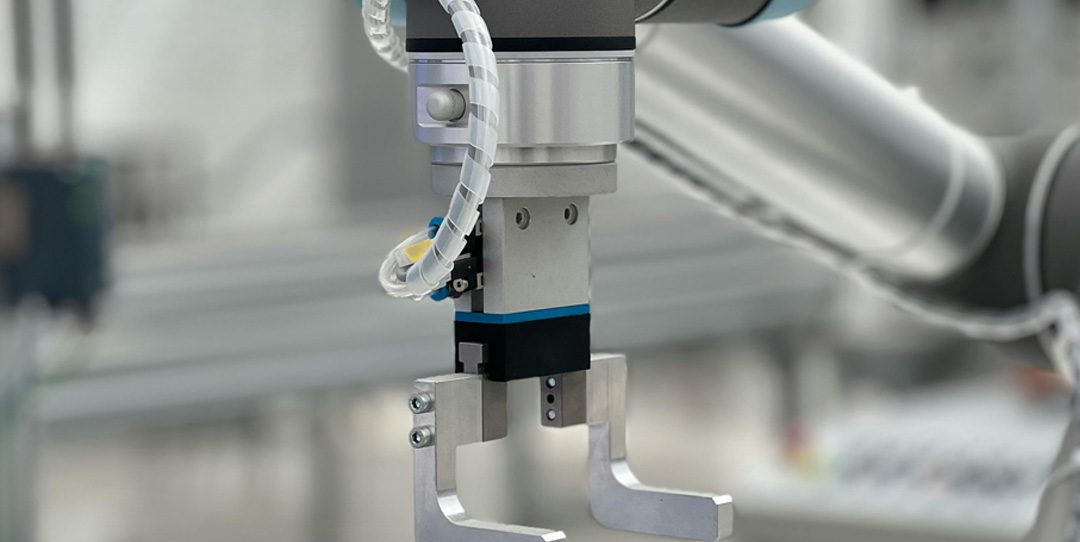
Our steel belt technology delivers unparalleled precision and zero slip, making it ideal for robotics and other applications requiring absolute accuracy.

Backlash, a common issue caused by the clearance between the belt’s timing hole and the pulley’s timing pin, can compromise positional accuracy during directional changes. This occurs as the clearance shifts with motion reversal, introducing inaccuracies. However, precision-engineered metal belts can eliminate backlash.

For instance, robotic arms often use two steel belts in tandem, with one belt controlling reversing motion. Thanks to the steel belt’s high modulus of elasticity, this configuration enables rapid, precise bi-directional acceleration without backlash.

Our customizable steel belt designs excel in compact spaces and harsh environments, offering innovative solutions across various industries. These zero-backlash systems are perfect for applications demanding tight tolerances and precise back-and-forth positioning, ensuring reliability in even the most challenging conditions.

Commitment to Continuous Improvement

We are dedicated to advancing conveyor technology to meet the evolving needs of design engineers. Our focus on precision, accuracy, customization and efficiency ensures that our stainless steel belts and conveyor systems remain at the forefront of industry standards, providing you with the tools necessary to achieve excellence in your designs.

For more information on how our stainless steel belts can enhance the accuracy and efficiency of your applications, contact our engineering team for personalized assistance.

Durable Conveyor Systems for Harsh Chemical Processing Environments

In harsh chemical processing environments, where exposure to extreme temperatures, corrosive substances and abrasive materials is the norm, choosing the right conveyor system is critical. Our PureSteel® belts are the ideal solution for these demanding conditions, offering unmatched durability, chemical inertness and resistance to heat.

Uncompromised Durability in Harsh Environments

Synthetic belts struggle to maintain integrity in the presence of caustic chemicals, high heat or abrasive particles. In contrast, stainless steel belts excel, enduring the rigors of chemical manufacturing without degradation. Their resilience extends the lifespan of conveyor systems, reduces downtime, and minimizes maintenance—critical factors in maintaining operational efficiency.

For engineers designing for harsh chemical environments, stainless steel belts provide the durability and reliability needed to keep production lines running smoothly. Whether handling corrosive acids or enduring vacuum conditions, these belts maintain their performance, protecting both product quality and system integrity.

Cleanroom-Compatible and Contamination-Free

PureSteel® belts are naturally hygienic. They resist corrosion and don’t generate particulates, outgassing or the need for lubricants, making them cleanroom compatible. This is essential for processes requiring high purity, such as manufacturing components for pharmaceuticals, semiconductors or batteries. Easy to clean and sterilize, stainless steel belts ensure contamination risks are minimized, safeguarding both the product and the environment.

Precision and Efficiency

Chemical processing often requires the precise handling of materials. Stainless steel belts offer pitch accuracy within +/-0.025 mm, enabling smooth, accurate and pulsation-free motion. This precision is critical in applications like battery manufacturing, where handling sensitive components such as electrodes or separators demands exactness to maintain product integrity.

Tailored Solutions for Demanding Applications

With options for custom alloys and coatings, our PureSteel® belts can be adapted to meet specific chemical resistance, temperature tolerance or corrosion resistance requirements. As this case study shows, this versatility allows engineers to design systems optimized for the unique challenges of their applications.

Long-Term Cost Efficiency

While stainless steel belts may involve a higher initial investment, their durability and minimal maintenance requirements make them a cost-effective choice over time. Reduced downtime and longer service life translate to lower total costs and increased productivity—a crucial advantage for competitive manufacturing operations.

Ready to Meet Your Challenge

Our durable, efficient and low-maintenance conveyor solutions offer exceptional resistance to heat, corrosion and wear, ensuring reliable performance in even the most demanding conditions.

If you’re a design engineer working in a harsh chemical environment, reach out to learn how our PureSteel® conveyor belts are an invaluable asset in modern chemical manufacturing.

Top 5 Upcoming Innovations in the Conveyor Industry in 2025

As we approach 2025, the conveyor industry is poised for significant innovation, driven by advances in technology, a heightened focus on sustainability and evolving demands from multiple industries, such as manufacturing, logistics and e-commerce. For design engineers, understanding these upcoming changes is crucial for staying ahead in an increasingly competitive market. Below are the top 5 upcoming innovations expected to reshape the conveyor industry in 2025 and beyond.

1. Smart Technologies: IoT and AI-Driven Efficiency

The integration of smart technologies, including the Internet of Things (IoT) and artificial intelligence (AI), is set to revolutionize conveyor systems. IoT devices will enable real-time data collection from conveyor components, allowing engineers to monitor performance, track wear and predict failures before they happen. This shift will significantly reduce unexpected downtime, increase productivity and minimize the need for manual intervention.

Meanwhile, AI and machine learning algorithms will enhance decision-making processes on the factory floor. AI-powered conveyors will be able to adapt to changes in product flow, optimize routing in real time and autonomously adjust to variations in demand. Predictive maintenance systems, driven by AI, will help extend the lifespan of conveyor systems, ensuring optimal operation with minimal disruption.  A PureSteel belt can reduce maintenance costs with a predictable and longer life span in normal operating conditions, further maximizing the benefits of smart technologies.

2. Sustainability and Energy Efficiency

In 2025, the focus on sustainability will extend to the design and operation of conveyor systems. Energy-efficient motors, regenerative braking systems and advanced materials will play a key role in reducing the environmental footprint of conveyors. For instance, systems that harvest and reuse energy from braking processes will reduce overall power consumption.

Belt material also matters; PureSteel® provides low friction operation that requires less energy to run smoothly and efficiently. Over its lifetime, a PureSteel® belt can help a manufacturer realize significant reduction in energy consumption. Also, because our steel belts can withstand extreme temperatures without deformation or degradation, they are ideal for conveying hot materials, reducing the need for energy-intensive cooling systems.

Additionally, as more companies strive to meet carbon reduction goals, there will be an increased demand for solar-powered conveyors and designs that consume less energy overall. Engineers will need to consider sustainability from the ground up, incorporating features that not only meet industry standards but exceed them. This will include selecting materials that can be easily recycled or reused, as well as reducing waste during the manufacturing process. Metal belts like ours require far less frequent replacement and are fully recyclable.

3. Modular and Flexible Conveyor Designs

The push for modular and flexible designs will continue to grow, especially in industries like logistics and e-commerce, where adaptability is key. Modular conveyors can be easily reconfigured to meet changes in production lines or warehouse layouts, reducing downtime and increasing versatility. This adaptability is essential in fast-paced environments where product lines and workflows change frequently.

For design engineers, this trend means creating systems that can be easily scaled and reassembled as needed. A modular approach allows businesses to future-proof their operations, ensuring that conveyor systems can evolve with their needs without requiring costly overhauls.  Belt Technology is already optimized for a modular approach, providing customers the ability to customize each belting solution to their specific needs, and our wire mesh styled belts can be lengthened and shortened in house with relative ease.

4. Enhanced Safety and Ergonomics

Safety will always be a critical concern, and in 2025, conveyor systems will feature more advanced safety mechanisms. Expect innovations like automated shutdown systems that engage when a safety risk is detected, preventing accidents before they occur. Engineers will also need to incorporate enhanced guarding systems and advanced sensors to limit human-machine interaction hazards.

From an ergonomic standpoint, conveyors will be designed to reduce physical strain on workers, with easier-to-reach controls, smoother motion and lower noise levels. This focus on worker safety and comfort will help improve overall operational efficiency, reducing injury-related downtime.  The durability and reliability of PureSteel belts help reduce operating costs and, in certain applications, can help prevent injuries from a premature failure.

5. Collaborative Robotics Integration

The integration of collaborative robots (cobots) with conveyor systems is set to become a major trend. Cobots can work alongside humans, assisting with tasks such as sorting, packing and quality control. By seamlessly interacting with conveyors, cobots can adjust to real-time conditions, ensuring that the system is responsive and efficient.

For design engineers, this integration will require rethinking how conveyors interact with other machinery. Cobots will need to move in synchronization with conveyors, demanding precise control systems and adaptable interfaces. This presents both a challenge and an opportunity to create smarter, more versatile systems that improve throughput and reduce manual labor.  The precision and repeatability of PureSteel belts will help operators take full advantage of the benefits of cobot technology.

Moving Smoothly Ahead

As the industry moves toward 2025, these key changes will reshape the way we design system, built and operate conveyor systems. By keeping these innovations in mind, our engineers are working to create more efficient, adaptable and future-ready conveyor systems that meet the evolving needs of various industries.

What challenges are you facing in the coming year? Our experienced engineers are available to collaborate with you to design application-specific endless loop metal belt conveyor systems that meet your needs now and into the future. Reach out to learn how we can help.


Advanced Food Safety: The PureSteel® Solution

 Professionals in the food processing and packaging industry are all too familiar with the unique challenges that can accompany attempts to optimize their production line. While necessary for continued business growth, the pursuit of faster speed and greater efficiency cannot come at the expense of food safety concerns, nor at too great a cost in replacing rapidly worn or damaged parts.

Outbreaks of food-borne illnesses have become far too common, and there is greater focus than ever on finding solutions that can safeguard the public from health risks while allowing food processing businesses to improve capabilities and efficiencies. This has resulted in a demand for technologies and materials that offer advanced food safety benefits.

Our PureSteel® stainless steel belts, drive tapes and pulleys are more resistant to bacteria than plastic or other soft materials, and can withstand extreme temperatures, sudden temperature fluctuations and long-term heavy use, while simplifying and shortening the sanitizing process to help your operation maintain its stringent hygiene standards.

Bacteria Hate Our Belts

Multiple studies have shown that bacteria, including Salmonella and Listeria, attach in far higher numbers to hydrophobic materials like rubber and plastic than to stainless steel. There is also data showing that L. monocytogenes has a greater affinity to plastic materials than to stainless steel.

In a 2007 study published in the Journal of Food Protection, researchers concluded:

“Stainless steel shows weaker adhesion for bacteria and can be considered as the better type of conveyor belt to minimize cross-contamination. Similarly, cleaning is more efficient on hard surfaces such as stainless steel than on soft materials such as plastic.”1

Stainless steel contains an elevated level of chromium, which creates a surface oxide layer that helps prevent further oxidation. If a stainless steel belt’s surface is damaged or scratched, exposed metal oxidizes almost immediately in what could be described as a self-healing process.

Easy to Clean for Advanced Food Safety

A stainless steel belt can be heated to over 121°C (250°F) for sterilization—well above the temperatures bacteria can survive—as opposed to most plastic belts, which cannot withstand more than 100°C (212°F).

Additionally, the surface hardness of stainless steel is greater than that of polymer materials, discouraging the attachment of bacteria and providing a continuous, nonporous surface that lacks moving parts, joints or crevices that can harbor bacteria and is significantly easier to clean, even with lower-cost detergents and processes.

Endless stainless steel belts can be cleaned in place, significantly reducing downtime, labor and expenses associated with removal, washing and reinstallation of the conveyor belts.

Avoiding Contamination from Equipment Wear and Tear

Having to replace worn or damaged parts of a conveyor system costs time and money, requiring downtime and investment in replacement parts or repairs. Beyond that, equipment wear and tear also introduces a risk that parts or pieces can find their way into the product and out into the marketplace.

When conveyors comprise many moving parts that are likely to wear out, the risk increases that those parts could fall into the food being processed. This risk is virtually eliminated with endless stainless steel belts, which have no moving parts to come into contact with the products being conveyed. This, in turn, eliminates the need to purchase, maintain and operate detectors on your production line, resulting in significant cost savings.

As an added benefit, PureSteel® belts don’t generate particulate like flat neoprene or polymeric alternatives, thereby eliminating the risk of particulate contamination of the food product.

A Simple Solution for Extreme Environments

Extreme temperatures can shorten the lifespan of automated equipment, causing damage that results in frequent and costly adjustments, replacement and repair. Plastic, rubber or cloth will warp, burn or fall apart when exposed to high temperatures, and shrink or become brittle in extreme cold, leading to the eventual failure of the belt.

Due to their low coefficient of thermal expansion (CTE), stainless steel alloys can resist a wide range of temperature extremes in ovens or freezers without warping or breaking. Its superior thermal conductivity also results in a more uniform heating and cooling process.

This makes steel belts an ideal choice for food processing challenges, including indexed cooking or freezing applications and cooking ovens. The specific grade of stainless steel most effective for your application will depend on your specific requirements.

For instance, Invar will remain flat when operating in environments up to 400°F, compared to 300 series stainless steel, which can start to see distortion at temperatures below 400°F. For extremely elevated temperatures, our engineers typically recommend Inconel 625 and 718, which can withstand temperatures up to 1,600°F. We are happy to work with you to determine the best option for your application.

PureSteel® Is a Simple Solution for a Complex Industry

Food processing is a category under a wide range of requirements and demands, and PureSteel® stainless steel belts have proven to be a solution applicable across the board. Our highly trained and experienced engineers can design, develop and manufacture a complete stainless steel sanitary conveyor belt system to service the specific needs of your food processing application.

Wire Mesh Belts

In many food production applications, the width and cost of the belt are more important features. In these situations, wire mesh belts may be the perfect solution. Wire mesh belts tend to be lower-cost, easier to repair on site, and can be manufactured to be over 18 feet wide, compared to PureSteel’s® maximum width of 900 mm.

Are looking to upgrade your system to grow your business and increase productivity? We are more than happy to work with you to design or redesign a retrofit solution that will integrate with your current food-handling system. Reach out to us today and we’ll be happy to discuss your unique needs.


1 Tolvanen, Riina, Janne Lunden, Hannu Korkeala, and Gun Wirtanen. “Ultrasonic Cleaning of Conveyor Belt Materials Using Listeria Monocytogenes as a Model Organism.” Journal of Food Protection 3.70 (2007): 758-61. ResearchGate. Web. 22 Mar. 2016.