Belt Technologies Logo

A Perfect Fit for Sterilized Equipment Production

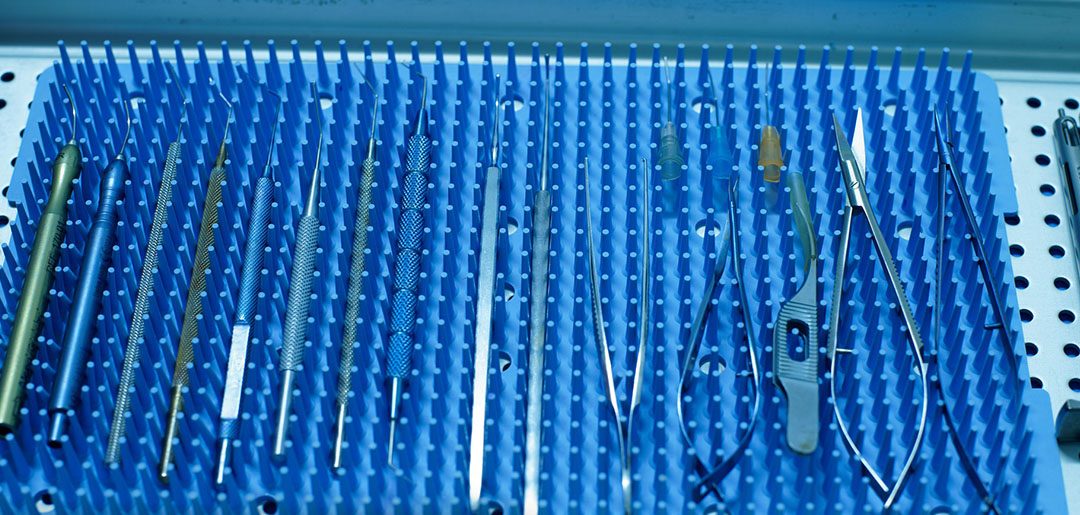
It’s impossible to overstate the importance of sterilized equipment in a medical setting. Surgical instruments such as scalpels, forceps or scissors need to be regularly sterilized to protect patients from infection. In this regard, surgical technologists are unsung heroes—responsible for preparing operating rooms, sterilizing equipment and helping surgeons and patients before, during and after procedures.

We want to recognize this work during Surgical Technologists Week, which is observed each year during the third week of September. It’s a perfect time not only to highlight the importance of these workers, but to demonstrate Belt Technologies’ own role in supporting sterilized equipment production.

The Sterilization Process

To put it simply, sterilization is the process of making something free from bacteria or other living organisms. Surgical technologists can accomplish this in a variety of ways including the use of steam, dry heat, radiation, ethylene oxide gas or other methods. No matter the technique, these workers provide the medical cleaning and disinfecting measures needed to keep every person in a given facility safe. Without them, doctors, surgeons, nurses and others wouldn’t be able to safely perform their critical functions.

But what keeps these instruments hygienic before they can even make it to the surgery center? They need to be produced in a cleanroom environment, which means the surfaces that these instruments come into contact with during their creation also need to be hygienic. Stainless steel is the ideal material for this purpose, as it is known for its smooth and impermeable surface that does not hang on to microbes and bacteria.

The Sterile Benefits of Stainless Steel

Compared to other belt materials such as flat neoprene or HTD, our PureSteel® stainless steel belts do not require dust-generating lubricant that could introduce foreign substances into cleanroom environments. Not only is stainless steel cleaner than other conveying materials to begin with, but it’s easier to keep that way—which is just as important. Stainless steel’s corrosion resistance allows it to be sanitized by high-pressure steam, high-pressure wash or chemical cleaning. The metal belt sterilization process can be performed in an autoclave; so, unlike materials that call for the belt to be removed from the conveyor for regular cleaning (which interrupts production), our belts can be cleaned in place.

Ready to Learn More?

Combined with a protective chromium oxide surface layer, our belts provide the longest-lasting and most hygienic surface for transporting surgical instruments during production. If you’re interested in learning more about how our products can help you, we’d welcome the opportunity to speak with you. Contact us today to learn more about how we can implement our belts in your facility.
Proud To Be a Massachusetts-Based Manufacturer

National Massachusetts Day is August 17th, so we want to take a moment to express how proud we are to be a Massachusetts-based manufacturer.

Belt Technologies is an American producer of metal belts, timing belts, metal drive tapes and custom conveyor systems that serves printing, food processing, medical device manufacturing, robotics, solar panel technology, battery production, electronics production and other industries.

From local job availability to improved product quality, there is an array of benefits associated with supporting local manufacturers. In this blog, we explain why local manufacturing is so important to the overall status and financial health of Massachusetts, and how Belt Technologies is contributing.

The Benefits of Local Manufacturing

According to the National Association of Manufacturers (NAM) data from 2021, manufacturing in Massachusetts accounts for more than 9% of the total output in the state and employs more than 7% of the overall workforce. There are more than 236,000 people in the manufacturing field in Massachusetts alone! When manufacturers pay taxes, not only are they giving back to the national economy, but they are helping to give back locally. Here’s a startling statistic: for every $1.00 spent in manufacturing, there is a total impact of $2.68 to the overall U.S. economy.

These numbers illustrate why the health of the industry directly impacts the overall well-being of Massachusetts. Here are some other benefits to dealing with a Massachusetts-based manufacturer like Belt Technologies:

Local Jobs

With a facility located in Agawam, Massachusetts, we provide local candidates with high-quality job opportunities in manufacturing and engineering. Current openings include both production welder and metal belt processor positions. We’re always looking for talented individuals to join our team, so be sure to reach out if you’re interested.

Improved Quality and Service

American manufacturers like Belt Technologies take pride in creating high-quality, durable products. Our pride in the process is just as important—which is why we use the finest materials and hire the most skilled craftsmen and experienced engineers. Every one of our metal belts undergoes strict quality inspections, and our results are precise: we are able to fabricate metal belts with a station-to-station pitch accuracy of ±0.0005”. But it’s not just about quality; when you partner locally you can expect improved service as well, leading to shorter lead times and reduced delivery costs.

Ethics and Sustainability

When you partner with a company like Belt Technologies, you don’t have to worry about ethical ramifications. Unlike some countries that export manufactured goods, facilities in the United States are highly regulated to ensure worker safety, compliance with labor laws and the issuance of fair wages. These ethics extend to our green practices as well. We are conscious of our company’s environmental impact, and for that reason, we source materials locally whenever possible and employ a company recycling program. And, unlike alternative belts such as neoprene or fabric, metal is naturally occurring and recyclable, making our products a more sustainable option.

A Company You Can Be Proud to Partner With

We take pride in being a Massachusetts-based manufacturer, and we want you feel that pride when partnering with us. Whether you’re looking for a manufacturing partner or a career opportunity, we encourage you to contact us today.

Why Stainless Steel Is a Perfect Match for Bulk Solids

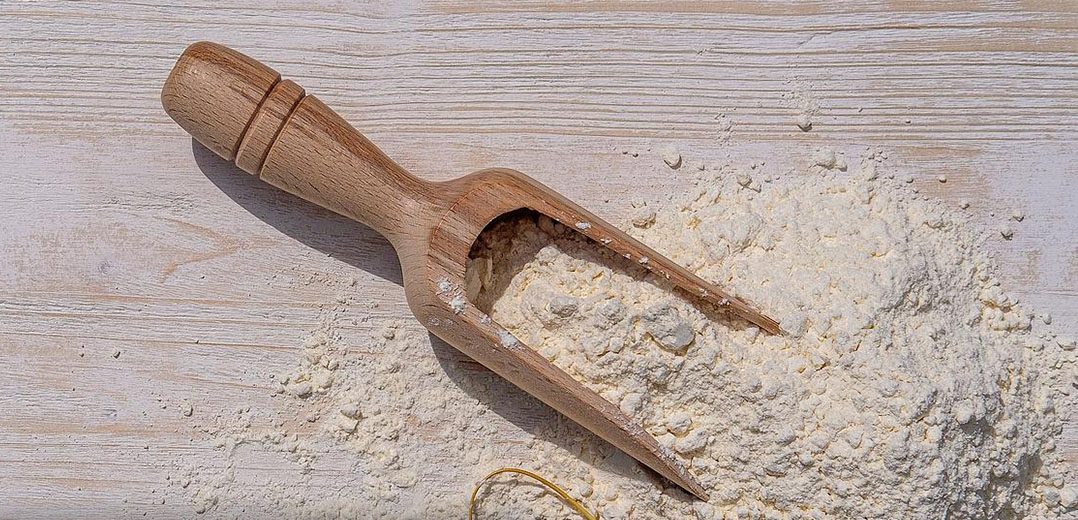
A bulk solid on a tableDue to their unique physical properties, fine powders and other bulk solids can be some of the most challenging materials to handle in any facility⁠—especially on a conveyor line. With a countless number of fine particulates that could cause issues, any conveyor system used in these operations must be sanitary, easy to clean and durable; rubber and plastic aren’t up to the task. In this blog we explain why our stainless steel PureSteel® Belts are the perfect match for bulk solids.
But first, what exactly fits in the “bulk solids” category? Essentially, it’s any collection of loose, dry commodities like sugar, starch, chemicals, plastic resins or recycled plastics. According to Kansas State University, these materials actually consist of more than 80% of items transported around the world!

A Focus on Cleanliness

Many of these products, since they can be categorized as food or chemicals, require a clean surface. Stainless steel belts are resistant to bacteria due to their flat and nonporous surface, making them easy to clean and compliant with even the strictest United States Department of Agriculture (USDA) requirements. Other belt materials can’t compare, as they allow bacterial buildup in crevices and small holes, or even in the gaps between belt components.

Regardless of how resistant they are, all belts need to be cleaned and cleared of food debris eventually to prevent contamination—and no material is easier to clean than stainless steel. Due to their resistance to chemical corrosion, stainless steel belts can be cleaned-in-place (CIP) with almost any cleaning or sterilization method—such as high-powered steam, chemical cleaning solutions and high-pressure wash.

Durability to Prevent Contamination

Stainless steel belts are also durable—they don’t generate particulate, so they won’t create dust that could impact production in a cleanroom environment. Alternative belts often incorporate fibers for added strength, which may rub against conveyor guides or rough edges, detaching small particulates which may then contaminate your fiber or bulk solid. Not only do stainless steel belts require less maintenance, but they also don’t require lubrication to operate. It’s another feature that lowers the risk of contamination to the product.

A Clean, Complete and Contained Solution

If you’re concerned about the containment of your product, our belts can be equipped with food grade v-guides on either side to help hold all the material in. The end result is a clean, complete and contained bulk solid at the end of your conveyor. Are you interested in learning more about how these belts can help to benefit your specific application? Contact us today; our team would be glad to help you achieve a solution.

The Role of Metal Belts in the Production of Electric Vehicles

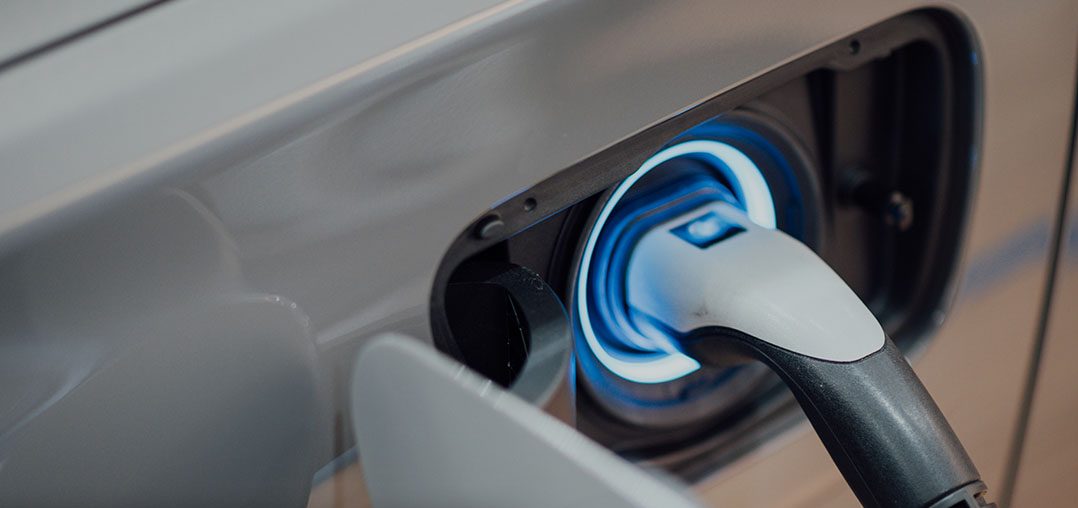
A close-up of an electric vehicle charging.As the effects of climate change continue to impact the world in increasingly negative ways, people across the United States have decided to take the initiative to lower their personal carbon footprint into their own hands. In fact, according to the U.S. Department of Energy, sales of light-duty plug-in electric vehicles (EVs), which include full EVs and plug-in hybrid electric vehicles (PHEVs), nearly doubled between 2020 and 2021—with EV sales specifically growing by 85 percent. At Belt Technologies, we provide a crucial service to vehicle battery manufacturers as their demands shift from lead-acid to lithium-ion by providing PureSteel® stainless steel belts and conveyor systems for battery production. Read on to learn more about how metal belts can be used in the production of the batteries that give EVs the power to transport us from point A to point B.
Stainless Steel Belts and Battery Production

The unique properties and benefits of stainless steel have long made metal belts ideal for automated battery production equipment. Stainless steel belts and conveyor systems are used in the automated production of lead-acid batteries typically found in gas-powered vehicles.

Battery components must be transported smoothly and reliably through several production stages, including pasting, filling, assembly, cleaning and pin engraving. Advanced lithium ion batteries require even greater precision to move the materials through unique automated production steps, including having two belts working precisely in tandem. Unlike rubber or neoprene alternatives, metal belts provide positional accuracy, smooth motion control and, most importantly, chemical resistance. Battery manufacturers have also trusted stainless steel belts to operate in clean-room environments and resist chemical corrosion for a more reliable, longer-lasting conveyor system.

Stainless steel belts like those produced by Belt Technologies are also the gold standard for the production of lithium-ion batteries, which are used in most EVs. As more states like Massachusetts and California implement plans to solely produce EVs by 2035, manufacturers are working overtime to meet the demands of both traditional and electric battery customers. Major production changes are on the horizon for many battery manufacturers, and Belt Technologies can help by designing and building custom solutions for any existing system.

Transform Your Facility’s Battery Production

If your vehicle battery manufacturing business is looking to capitalize on the growing need for EV batteries, our team is ready to help you meet those demands. In addition to the battery industry, Belt Technologies’ metal belts and conveyor systems are used in 3D printing, robotics, medical manufacturing, food production and much more. Reach out to us online to get started.

Everything We Manufacture Is Custom: Celebrating National Inventors Month

A person works on a manufacturing lineThe most noteworthy inventions throughout history provide a simple solution to a problem or an indispensable benefit to the user. Think Johannes Gutenberg and the printing press or Alexander Graham Bell and the telephone. At Belt Technologies, every PureSteel® metal belt we create is custom-made to the specific needs of the customer and their applications in order to help them complete important tasks. In celebration of National Inventors Month this May, we’re examining how everything we manufacture is custom, from the metal alloys we use to coatings, attachments and perforation patterns.

Custom-Made Results

If you’re concerned that our “custom” endless metal belt manufacturing services mean high prices and long lead times, worry not. We have perfected the engineering of our PureSteel® metal belts so we can provide custom and unique belt width and thickness combinations in a timely and cost-effective manner.

Our belts are typically made of stainless steel, with a wide variety of specific alloys available to best fit requirements, and are durable, clean and accurate. We manufacture these belts in widths from 0.040” up to 35” wide and thicknesses of 0.001” up to 0.035” thick and can manufacture a specific width and thickness combination based on the requirements of a customer’s application.

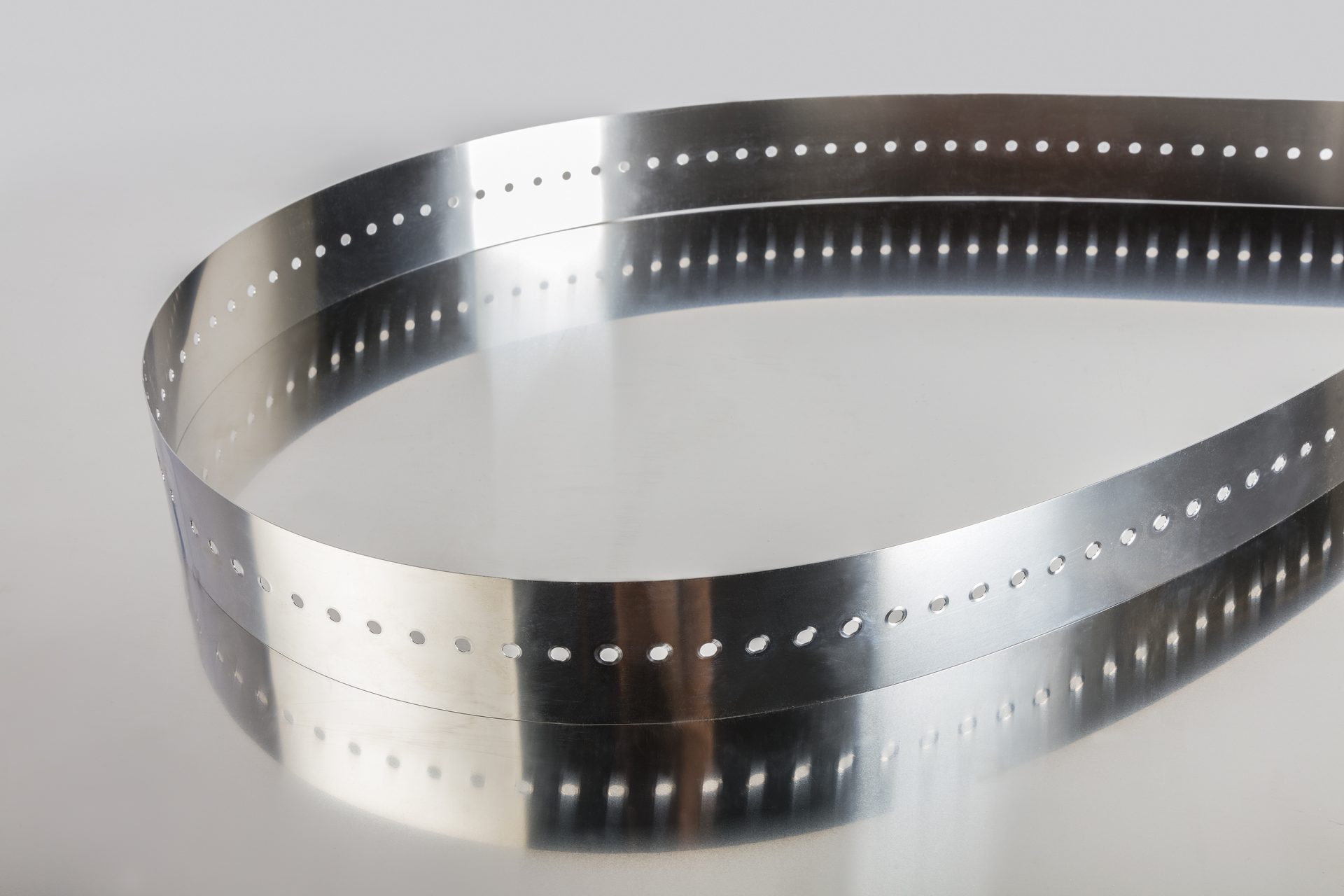
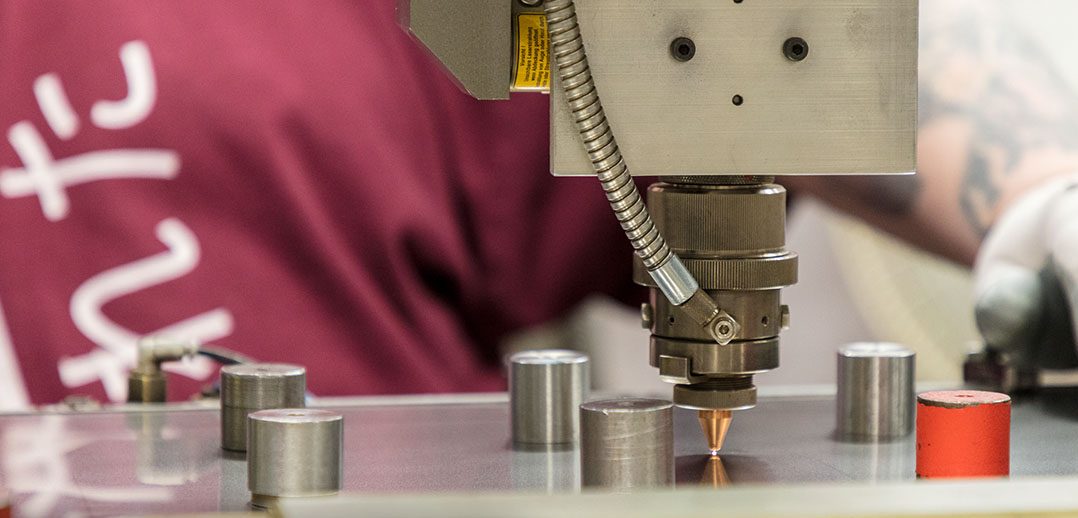
Our belts can be further customized with unique coatingsattachments, and perforation patterns. In fact, we have the advanced manufacturing technology to allow for up to 100,000 custom perforations to be designed in a single belt. Our array of belt coatings, textures and surface treatments can help improve lubricity and increase friction, among other benefits. The custom attachments we offer for our stainless steel metal belts also help to ensure positional accuracy, secure product handling and proper product indexing in automation systems where reliable, repeatable results are a priority. Finally, we also offer pulleys and other components of a complete conveying system to provide a turnkey solution, placing more of the engineering burden on our staff.

We approach every single one of our custom projects like we’re inventing something brand new, as we manufacture around customers’ specific needs no matter how unique they may be. Nothing exemplifies this better than how stainless steel metal belts and conveyor systems have been utilized in many different applications, such as in industrial automation, food processing and the medical industry.

If you are interested in learning more about how our custom stainless steel metal belts can benefit your application, contact us today.

The Benefits of Vacuum Conveyor Systems

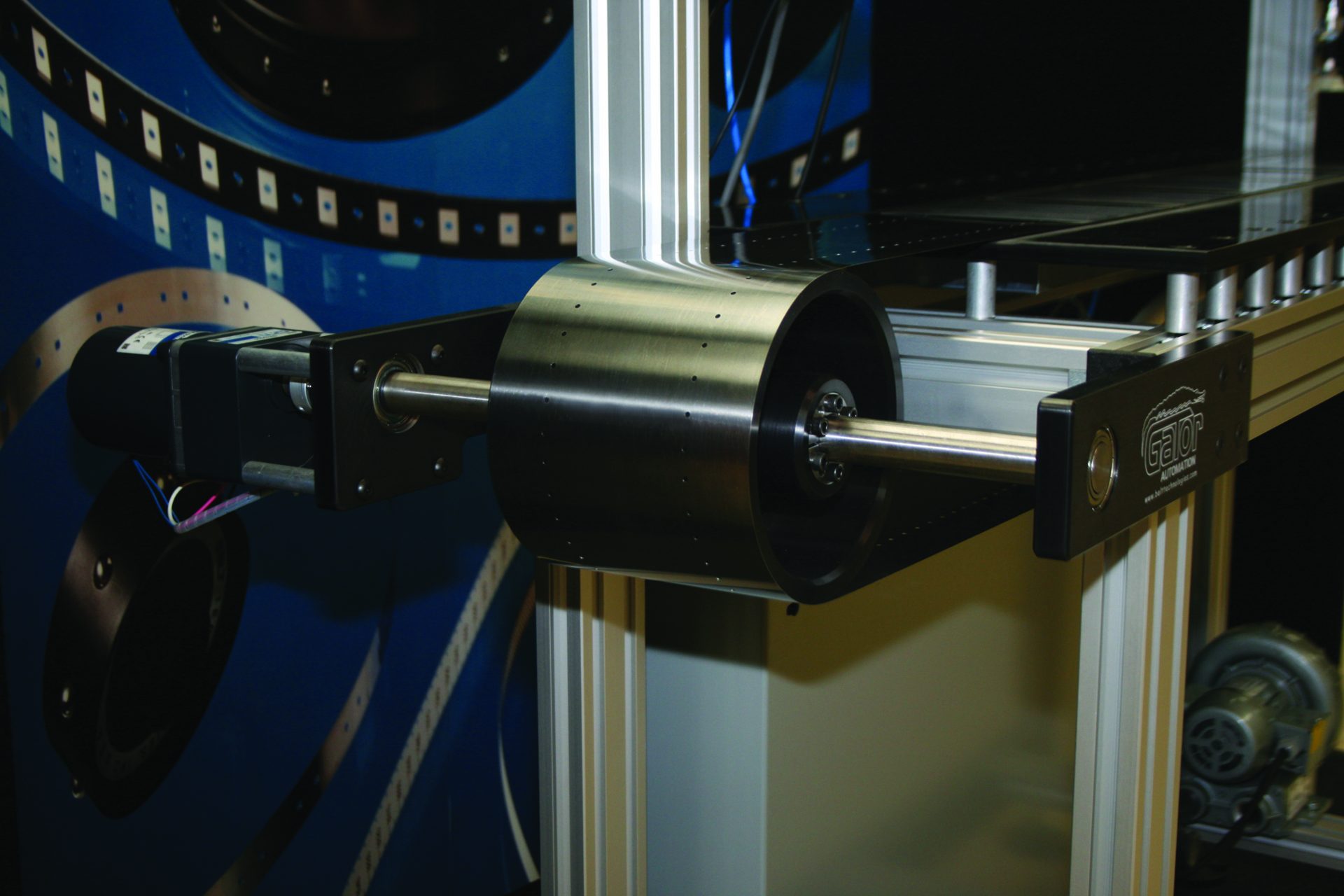
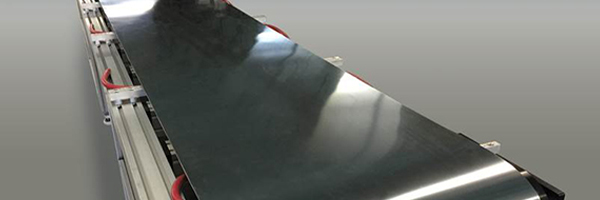
Multiple stainless steel beltsWhen it comes to conveying, suction is an ideal method for keeping small, lightweight parts in place—but how does it work on a production line? Our vacuum conveyors consist of PureSteel® perforated metal belts, a vacuum box, or plenum, and a vacuum pump that pulls air down through those perforations. This creates a suction effect that will hold materials to the belt surface for maximum positioning control as they proceed along the track. In this blog, we’re examining the many benefits of vacuum conveyor systems and the applications that could be assisted by this technology.
The Precision Perforation Process

PureSteel® perforated metal belts are flat, endless metal conveyor belts manufactured with precision perforations. We use a variety of perforation methods based on the dimensions of the belt and the operational requirements of the vacuum conveyor system including:

  • High-impact mechanical punching
  • Chemical etching
  • Laser cutting

Reaping the Benefits

All of our vacuum systems provide accurate part positioning as well as smooth motion control and indexing. The primary benefit of these conveyors is to keep parts in place without requiring special clamping to hold the products, allowing for a smoother production. When combined with our perforated stainless steel endless metal conveyor belts, vacuum conveyor systems:

  • Resist extreme high or low temperatures
  • Offer corrosion resistance
  • Are easy to maintain and clean
  • Are clean and inert
  • Do not generate particulate

Endless Applications

Suction is one of the best ways to keep small, flat and lightweight products “on track” in a conveyor system. The benefits of PureSteel® stainless steel vacuum conveyor belt systems make them a superior conveying method for a variety of industries and applications, including:

  • Pick and place equipment
  • Precision indexing
  • Food processing
  • Product assembly
  • Pharmaceutical manufacturing
  • Printing
  • Clean room environments where no particulates are permitted
  • Elevation changes

Coatings and surface treatments are also available for perforated metal conveyor belts. No matter your goal, our engineers will help you determine the right coating and PureSteel® product requirements for your system. Contact us to learn more about how we can put our vacuum conveyor solutions or any of our other custom solutions to work for you.

Metal belts and conveyors offer automation, cleanability, performance

Companies that make belts, conveyors and associated equipment, like motors, have a wide array of customers in the snack food and wholesale bakery industries—because every food production facility relies heavily on these technologies throughout their processes. That’s because metal belts and conveyors offer automation, cleanability and performance. Read more in this SF&WB article.