
 If you’ve been wondering if metal belts are right for your company or application, give this insightful article from Machine Design a read.
Author: Devon LaChance
Celebrating Surgical Technologists Week
 Lending a Hand to a Growing Profession
Demands during World War II necessitated the creation of a new profession: surgical technologist. Charged with the preparation of operating rooms, surgical technologists sterilize equipment and help surgeons and patients before, during and after procedures. Forty-four years later, the third week in September was proclaimed Surgical Technologists Week by the Association of Surgical Technologists Board of Directors to acknowledge the important role these individuals play. Through this blog, we shine light on the profession, the observation, and the role our parts play in the medical industry.
A Growing Profession
The U.S. Bureau of Labor Statistics reports over 100,000 surgical technologists in the field today. With an aging population and projected increased need for surgery, the profession is expected to grow exponentially—faster than the average of all other occupations through the year 2028.
This growing need for surgical care comes with a corresponding need for surgical instruments, and our company capably lends a hand to medical manufacturers.
Manufacturing Rx
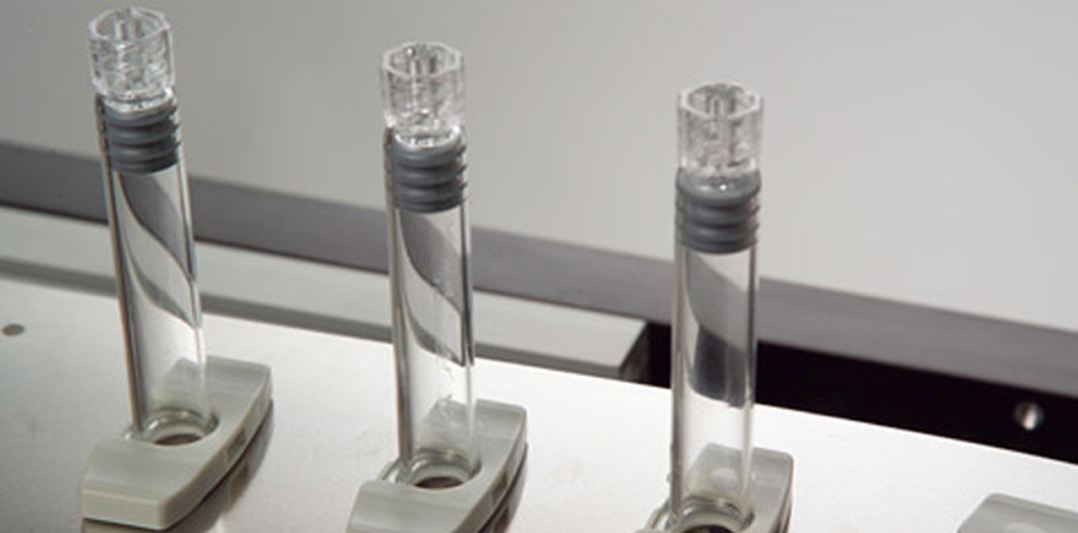
Microbes and bacteria are no match for stainless steel. The smooth, impermeable surface of our belts make them an ideal solution for companies producing sterile equipment like test kits or equipment for the medical industry.
When surgical technicians prepare an operating room, they must do so ensuring that everything in it—including the surgeon, the patient, and instruments to be used to perform the procedure—are sterile. When our belts and conveyor systems are used in the production of such instruments, they contribute to the necessary sterility and help to mitigate the spread of germs.
Sterile. Stat.
To maintain health and safety standards, medical devices are understandably heavily regulated. Our products make the grade. Resistant to corrosion, they can withstand rigorous and frequent cleaning. This makes our metal belts an ideal, long-lasting and sterile solution to transport the equipment and pharmaceutical products being manufactured.
If a particularly small or intricate part is being produced, our engineers may suggest custom belt perforations or added coatings to safely house and carry them.
No Complications
If you’re interested in learning more about our company or products, we’d welcome the opportunity to speak with you over the phone. Or, if you’re looking for a second opinion, read some real-life case studies from customers in the medical industry.
August 17 is Massachusetts Day
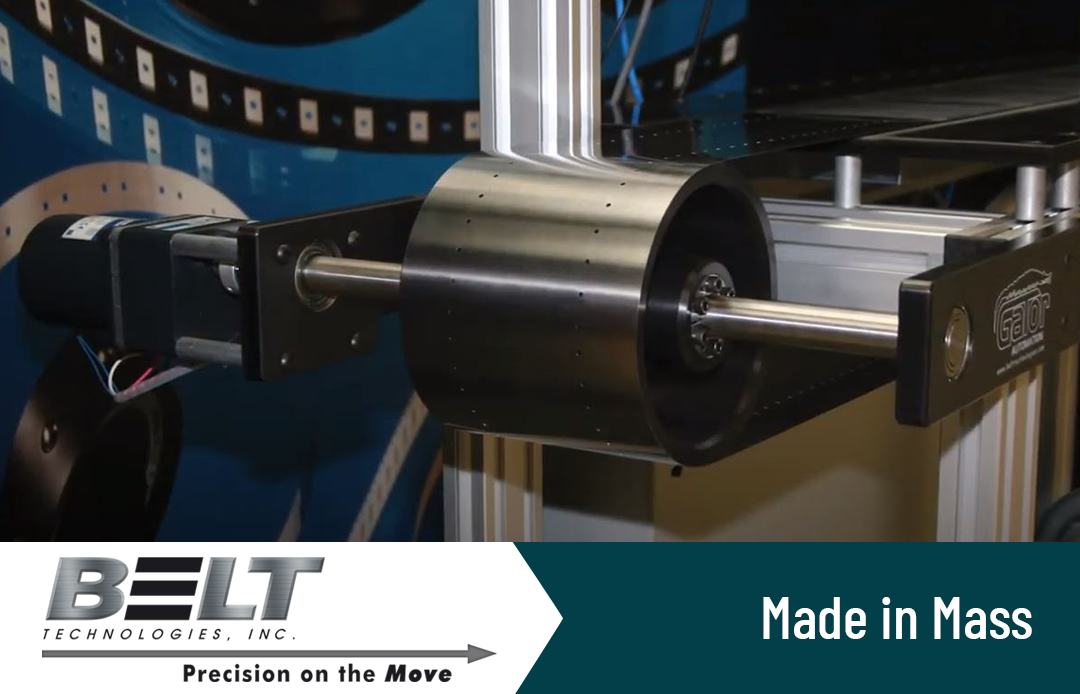
 Please join us in celebrating everything the Bay State has to offer, including metal belts, of course!
Today is National Massachusetts Day! Let’s take a moment to acknowledge and celebrate some of the wonderful products that have come out of our home state, the Bay State. If you’re from the Northeast, these might make you even prouder to have hailed from here. If you’re not from Massachusetts, we still think you’ll find these fast facts interesting.
Precision on the Move
A resident of Woburn at the time of his discovery, Charles Goodyear is credited with developing the process of rubber vulcanization—a process used in the production of rubber tires. His story is one of strife and perseverance, but his hard work paid off. Today, there is one rubber tree for every two humans on Earth, and the trees’ cultivation helps to create, of course, tires, and other everyday items we may overlook or take for granted: hot water bottles, boots and dishwashing gloves, among others.
Of course, it’s Goodyear’s tire discovery that he’s best known for as it revolutionized the way the world travels. (Dare we say, that’s similar to our tagline: precision on the move.)
Belt Technologies has a tire tie-in; our company provided a conveyor that will be used in the recycling of used tires. You may find it interesting to note that when it comes to traditional methods of tire recycling, the standards are grinding, shredding, crumbing and incineration. All of these methods have some negative environmental impacts.
The tire recycling process Belt’s product will be involved in uses microwaves to extract a tire’s oil, along with other valuable by-products. The process does not melt tires, but rather, breaks apart their molecular bonds, allowing for reclamation of virtually 100 percent of a tire’s by-products, including the reclamation of the carbon black, oil, steel and hydrocarbon gas.
The system will see high heat, an abrasive product and microwave radiation, which our stainless steel belts are ideally suited for.
Made in Mass: Microwave Ovens
Percy Spencer, an American physicist, a native of Newton, MA, discovered microwave technology and invented the microwave oven. A self-taught scientist, he was remarkably adept at mathematics and science disciplines, however, it was a happy accident that led to his best-known invention.
Standing too close to a magnetron (a microwave tube used in radar technology) caused a chocolate bar in Percy’s pocket to melt. Wondering if this type of energy could cook food, he placed corn kernels near the magnetron and to his (and later, the world’s) delight, microwave popcorn was invented.
As foodies ourselves—we have a hand in nearly every food processing application (cooking, freezing and transporting) and industry (dairy, frozen food, seafood and more)—we celebrate our like-minded friend, Spencer, and celebrate his ingenuity and advancement of food processing—something that we likewise are so proud to have a hand in.
We also celebrate these Massachusetts’ inventions:
- Chocolate chip cookies (invented by Ruth Graves Wakefield in Whitman)
- Sweetheart candy hearts and Candy Buttons (made by the Necco company in Revere)
- Tupperware (invented by Earl Tupper in Leominster)
- The sport of basketball (invented by James Naismith in Springfield)
- Disposable safety razors (invented by King Camp Gillette in Boston)
- The typewriter (invented by Charles Thurber in Worcester)
Stainless Steel Belts and Conveyor Systems
Of course, we’d be remiss if we didn’t celebrate the sophisticated technology and innovative processes from our own engineering team, operating in Agawam. We can essentially serve any industry that relies on assembly lines and automated production systems. Printing, food processing, medical device manufacturing, robotics, solar panel technology, battery production, and semiconductor and electronics production represent some examples of industries that use our products.
If you’d like to learn more about our company or products, we’ll be happy to discuss both over the phone or over a cup of Dunkin’ coffee (created in Quincy).
Robotertechnologien erhalten die Lebensmittelversorgungskette während der Coronavirus-Pandemie aufrecht

(Originaler Artikel)
Warum die Edelstahlbandtechnologie zu Fortschritten in der Batterieherstellung führen kann – und welche anderen Branchen ebenfalls davon profitieren.
Mit seinem umfangreichen Portfolio rund um die verschiedenen Varianten von Edelstahlband bietet Belt Technologies, Inc. den Herstellern von Fahrzeugbatterien einen entscheidenden Vorteil, da sich deren Anforderungen von Bleisäure basierten Batterien zu Elektrobatterien verlagern. Batterien der nächsten Generation werden als grundlegende Technologie angesehen, die dazu beitragen wird, unsere Volkswirtschaften zu dekarbonisieren und den Klimawandel zu verlangsamen. Die Herausforderung verändert den Automobilsektor stetig und die Industrie im Westen steht unter Druck, schnelle Fortschritte zu machen, um die Marktführer in China und Korea einzuholen. Um dieses Rennen zu gewinnen, sind neue und revolutionäre Batterieproduktionsmethoden notwendig.
Werden E-Autos bald günstiger als Diesel und Benziner?
Bloomberg prognostiziert, dass Elektroautos bis 2027 kostengünstiger in der Herstellung sein werden als herkömmliche mit fossilen Brennstoffen betriebene Fahrzeuge, wobei diese Parität als großer Meilenstein und Treiber für eine höhere Nachfrage nach Elektrofahrzeugbatterien angesehen wird. Die sinkenden Kosten der Batterieproduktion sind entscheidend – und Metallbänder spielen definitiv eine wichtige Rolle bei der Effizienzsteigerung.
Hersteller streben nach Batterielösungen, welche die Energiedichte der Batterie verdoppeln und gleichzeitig die Ladezeiten um 50 % oder mehr verkürzen. Daher benötigen sie einzigartige und ausgereifte Produktionstechnologien. Stahlbänder sind ein kritischer Teil des Entwicklungsprozesses, insbesondere bei Prozessen, die das Bauen und Stapeln kleiner Komponenten beinhalten. Das wird insbesondere durch die Wiederholgenauigkeit der Bewegung eines Metallriemens von mindestens 0,127 mm und Toleranzen von +/- 0,025 mm ermöglicht.
In Europa gibt es derzeit fünf große Gigafactories, die diese hochentwickelten Batterien herstellen und diese Zahl wird voraussichtlich bis 2030 auf mehr als 11 ansteigen. Angetrieben wird dies durch eine zu erwartende Nachfrage von über 300 Gigawattstunden an Zellen bis zum Ende des Jahrzehnts. In einigen Ländern wie Großbritannien werden ab 2030 neue Benzin- und Dieselautos verboten.
Edelstahlband in der Batteriefertigung
Die Edelstahlbandtechnologie wird mit Sicherheit dazu beitragen, bessere Batterien zu bauen. Aufgrund der einzigartigen Eigenschaften und Vorteile von Edelstahl sind Metallbänder bereits seit langer Zeit hervorragend für automatisierte Batterieproduktionsanlagen geeignet. Batteriekomponenten müssen reibungslos und zuverlässig durch mehrere Produktionsschritte transportiert werden, darunter Kleben, Befüllen, Montieren, Reinigen und Gravieren.
Im Gegensatz zu Gummi- oder Neopren-Alternativen bieten Metallbänder Positionsgenauigkeit, reibungslose Bewegungssteuerung und vor allem chemische Beständigkeit. Eine effiziente Batteriefunktion wird schließlich von einer komplexen Mischung aus mehreren Chemikalien angetrieben. Belt Technologies kann Maschinenbauern unterschiedliche Lösungen für ihre oft anspruchsvollen Konstruktionsanforderungen bieten, mit Kombinationen aus Lochperforationen, Anbauteilen und Beschichtungen, die es ihnen ermöglichen, die Bandleistung genau auf die Herausforderungen in jeder Anwendung abzustimmen.
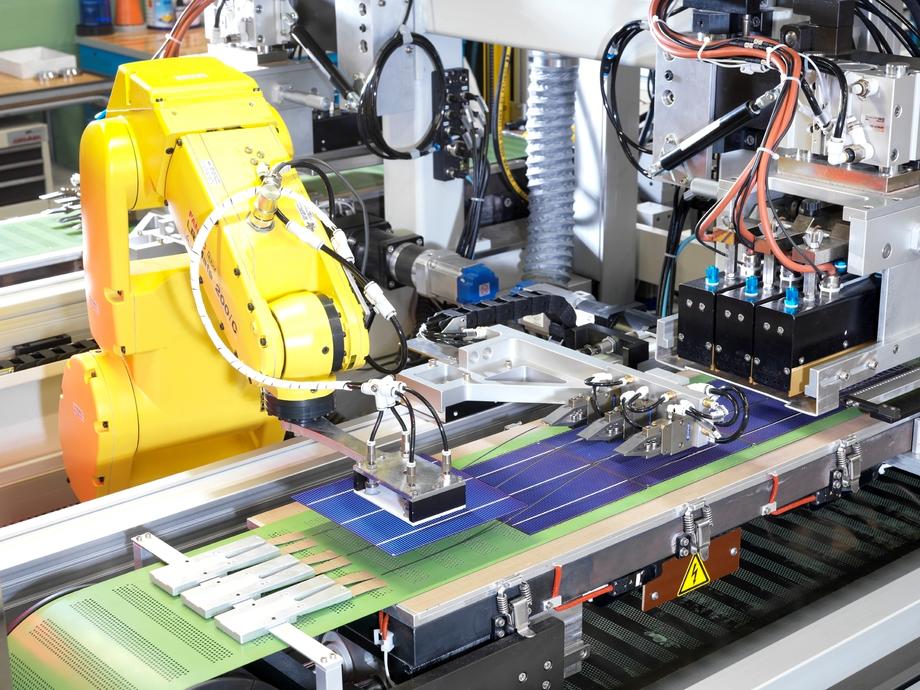
Für die Automobilindustrie in Nordamerika wird der Wandel an Fahrt aufnehmen – mehrere Staaten, darunter Massachusetts und Kalifornien, haben bereits Pläne umgesetzt, bis 2035 ausschließlich Elektrofahrzeuge zu produzieren. Die Hersteller verdoppeln ihren Einsatz, um die Nachfrage nach traditionellen und elektrischen Fahrzeugen zu decken. Belt Technologies bietet ihnen dafür die Zuverlässigkeit, die sie sich wünschen.
Maßgeschneiderte Lösungen
„Einer unserer Kunden produziert ungefähr 250.000 Batterien pro Schicht. Sie können sich also den Verschleiß vorstellen, der bei einem herkömmlichen Band entstehen würde“, sagte Denis Gagnon, CEO von Belt Technologies. „Derselbe Kunde sieht eine dramatische ansteigende Nachfrage nach elektrischen Fahrzeugbatterien und ist in der Lage, diese Nachfrage mit einem Metallförderbandsystem zu decken. Viele Einrichtungen sind in einer Position, in welcher bald größere Produktionsumstellungen erforderlich sind und wir können ihnen dabei helfen. Wir bieten keine innovationslosen Standardlösungen an: Unser Ingenieurs-Team ist für seine Vielseitigkeit bekannt und entwickelt gemeinsam mit unseren Kunden maßgeschneiderte Lösungen, welche wir für jedes bestehende oder neue System herstellen.“
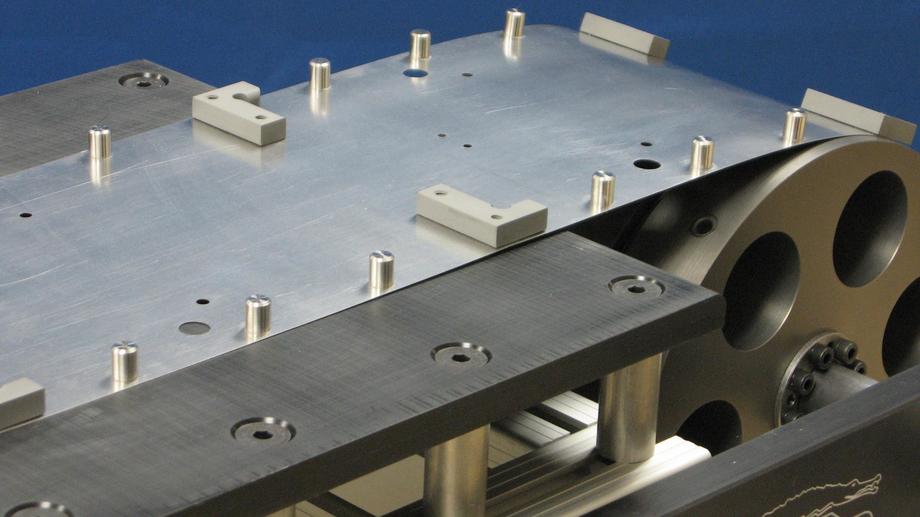
Seit Jahrzehnten setzen Batteriehersteller Ihr Vertrauen auf Edelstahlbänder, wenn es um den Einsatz in Reinraumumgebungen geht. Um chemischer Korrosion zu widerstehen und ein zuverlässigeres, langlebigeres Fördersystem zu gewährleisten, kommen unsere Edelstahlbänder zum Einsatz. Der Präsident von Belt Technologies, Alan Wosky, erwartet nicht, dass sich dies so schnell ändern wird: „Edelstahl war schon immer der Goldstandard für Bleisäure-, Lithium-Ionen- und Nickel-Batterien“, erklärt er. „Belt Technologies bietet weiterhin Hilfestellung bei der traditionellen Batterieproduktion, aber dadurch, dass sich die Welt jetzt in eine neue Richtung bewegt, ist es äußerst spannend für uns, dass wir auch Teil dieses neuen Prozesses für Elektrofahrzeugbatterien sind.“
Neben der Batterieindustrie werden die Metallbänder und Fördersysteme von Belt Technologies u.a. im 3D-Druck, in der Robotik, in der medizinischen Fertigung sowie in der Lebensmittelproduktion eingesetzt. Weitere Beispiele finden Sie in der nachfolgenden Bildergalerie:




Hochpräzise Vakuumförderer in extremen Umgebungstemperaturen
 Bei außergewöhnlichen Umfeldbedingungen mit einzigartigen Maschinen wie hochpräzisen Vakuumförderern oder mit spezialisierten und eventuell gefährlichen Werkstoffen, ist es von äußerster Wichtigkeit, alle Aspekte der zu bewältigenden Aufgabe in der Konstruktionsphase zu berücksichtigen. Diese frühzeitige Planung sorgt nicht nur für die Sicherheit Ihrer Mitarbeiter, sondern bietet eine feste Basis für ein erfolgreiches Projekt.
Dieses Prinzip ist zutreffend für Industriezweige, bei denen Präzisionsarbeit und Anwendungen mit Hoch- und Niedrigtemperaturzonen erforderlich sind, wie z.B. bei der Herstellung von Mikropolymer-Komponenten, Solarzellen und anderen hochentwickelten Produkten.
Die Lösung für diese breite Anwendungspalette in allen Industriebranchen ist die Stahlbandtechnologie, die wir hier vorstellen.
Stahlbänder – eine Ihrer besten Lösungen, möglicherweise sogar Ihre einzige.
Stahlbänder erfordern keine Schmierung. Sie sind leicht zu reinigen und können sowohl extremen Temperaturen von über 540°C als auch diversen chemischen Substanzen standhalten. Darüber hinaus haben sie eine hohe thermische und elektrische Leitfähigkeit und bieten gleichzeitig ein hervorragendes Festigkeit:Gewichtverhältnis.
Belt Technologies verfügt über sechzig Jahre weltweite Erfahrung in zahlreichen Industriebranchen und kann Ihnen somit bei der Auslegung und –stattung Ihres Fördersystems behilflich sein.
Nachfolgend einige Produktüberlegungen:
Temperaturen:
Hohe und niedrige Temperaturen können die Eigenschaften eines Stahlbandes beeinflussen. Daher ist es wichtig, das entsprechende Material zwecks optimaler Lebensdauer und Leistung auszuwählen. Unsere Ingenieure werden eine Ihren Bedürfnissen angemessene Legierung empfehlen.
Anpassungen:
Bei Anwendungen mit bestimmten Anforderungen sind Anpassungen zur Vervollständigung des Produkts erforderlich. So kann, zum Beispiel, bei hohen Präzisionsanwendungen ein Vakuumsystem helfen, das gewünschte Ergebnis zu erzielen. Das unter dem Stahlband aufgebrachte Vakuum schafft eine ideale flache Oberfläche für eine Vielzahl von Produkten, die sich für Druck-, Schneid- und Pick und Place Vorgänge präzise auf dem Förderband positionieren lassen.
Eine Fallstudie:
Vorgabe eines OEMs war, dass in zwei spezifischen Bereichen innerhalb seines 9,75 m langen Vakuumförderers eine wesentliche wiederholbare Bandpositionierung von 0,1 mm max. seitlich und längs bei einer Flachheit von nur 0,025 mm erreicht werden mußte. Dies war notwendig, da der Druck bei der Rückkehr des Bandes zur Druckstation mit dem noch angebrachten Produkt immer an genau der gleichen Position gestapelt werden mußte, In diesem Fall ist es wichtig, Geradheit des Bandes so nah wie möglich bei 0 zu haben, was durch Produktionsprozesse von Belt Technologies erzielt werden kann.
Aufgrund der Wärmezone gefolgt von der Kühlzone in dieser Anwendung, bestand die Gefahr, dass sich das Band innerhalb kurzer Zeit ausdehnt und wieder zusasmmenzieht, was möglicherweise zu Positionierungsproblemen führen könnte. Um dies zu vermeiden, haben wir erzwungene Spurhaltung mittels Seitenführungen durch die beiden hochpräzisen Druckbereiche eingesetzt. Hierdurch wurde sichergestellt, dass das Band in den kritischen Bereichen in perfekter Position gehalten wurde, während Abrieb der Bandkanten minimiert war und Welligkeit des Bandes vermieden wurde.
Präzision in Bewegung:
Soweit möglich, empfehlen wir, Seitenführungen und Stützplatten aus reibungsarmem Material wie POM/Delrin. Wo dies auf Grund extremer Temperaturen nicht möglich ist, empfehlen wir Edelstahl. Dies sollte jedoch nur in unabdingbaren Fällen Anwendung finden, um Abrieb an den Bändern zu vermeiden.
Für Spezialprojekte wie dies, ist es sowohl ein Privileg als auch ein Vorteil für Belt Technologies, von Anfang an dabei zu sein, um bei wichtigen Überlegungen im Designprozess Hilfestellung zu leisten.
Bei Rückfragen oder wenn Sie mit einem neuen Projekt befaßt sind, können Sie sich gerne an uns wenden. Kontaktieren Sie uns für Informationen, wie wirkundenspezifische Lösungen für Sie entwickeln können. Wir sind bestrebt, uns anvertraute Projekte zu einem erfolgreichen Abschluß zu bringen.
Snack Food & Wholesale Bakery Q&A about Steel Belts and Robotics during COVID Times
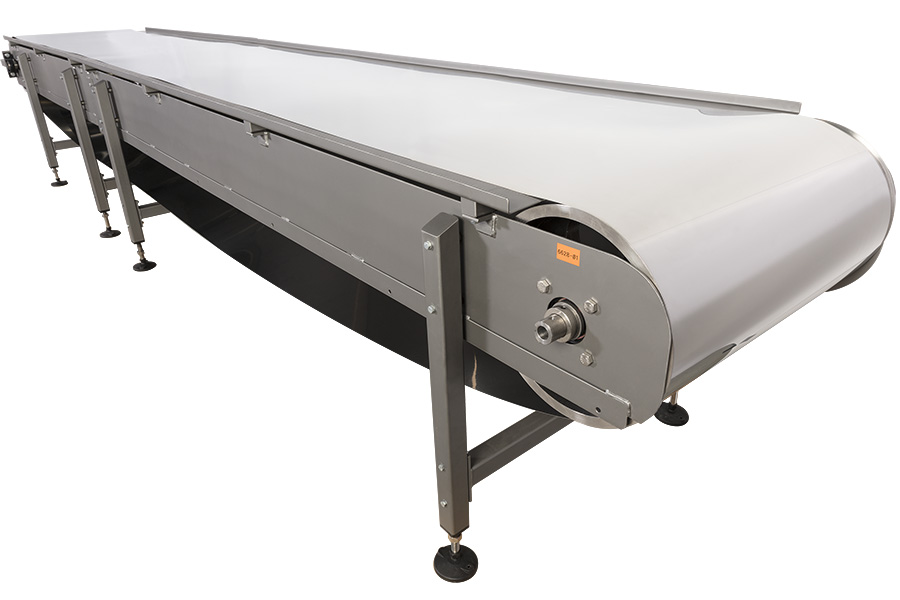
 Snack Food and Wholesale Bakery spoke to Denis Gagnon, chief executive officer, Belt Technologies, about steel belts and robotics during the COVID-19 pandemic. Read the exclusive interview.
This interview was also reprinted in Food Safety Strategies.
Shelby Report: Maintain Food Supply Chain During Pandemic with Robotic Tech

The COVID-19 pandemic has disrupted virtually every aspect of modern life and every global industry. The pace and consistency of work has suffered, as seen in the food processing and distribution industry which has seen breakdowns in the distribution system, endangering the supply chain. In this Shelby Report article, Mike Loomer, our business development manager for the Americas, talked about how warehouse and grocery sector robotics, powered by steel belt technologies, have kept industries and supply chains running during this extended period of crisis. Read the full article.
High Precision Vacuum Conveyor in Extreme Temperatures

 When working in specialized environments, with unique machinery like high precision vacuum conveyors, or with specialized or even hazardous materials, it is exceedingly important to take every aspect of the task at hand into consideration during the design process. This early planning, in addition to ensuring the safety of your workers, sets the project up for a successful project outcome.
This same principle is advised across industries that require precision work and applications with high- and low-temperature zones, like the manufacture of micro polymer components, solar cells or other highly engineered products.
For this wide range of industries and applications, there is one solution that will serve them all well is steel belt technology.
Steel Belts: One of Your Top Solutions (and maybe even your only one)
Steel belts require no lubrication, are easy to clean, and can withstand hazardous temperatures of over 538 C and various chemical substances. In addition, they offer great thermal and electrical conductivity, all while providing an outstanding strength-to-weight ratio. Belt Technologies, with over six decades of experience serving customers globally in countless industries, can help to outfit your conveyor system.
Here are some product considerations:
Temperature:
High and low temperatures can influence the properties of a steel belt, and therefore, it is important the right material is selected to achieve optimal operation and lifetime. Our engineers will recommend a suitable alloy to meet your needs from our robust metal offerings.
Adjustments:
Sometimes a specific application requires adjustments to create the perfect product. If high precision is needed, a vacuum system might help reach the desired outcome. Vacuum applied beneath the steel belt surface creates an ideal flat surface to hold a multitude of products that can be precisely positioned along the conveyor’s path for printing, cutting, and pick and place operations.
A Case Study: Real-World Results
One of our OEMs required that two specific areas in his 32-foot-long (9.75m) vacuum conveyor achieve a crucial, repeatable belt positioning of max. 0.004” (0.1 mm) lateral and longitudinal while holding a flatness of just 0.0010” (.025mm) or better. This was necessary because the print had to be stacked at exactly the same position when the belt circled back to the printing station with the product still attached. Especially for micro polymer components, the stacking of the print levels has to be perfect to achieve good performance of the components. In this case, it is critical to get camber, or straightness of the belt, close to 0, which can be achieved through Belt Technologies’ production processes.
Due to the heat zone followed by the cooling zone in this application, there was a risk of the belt stretching and pulling itself back together within a short period of time, potentially causing positioning issues. To overcome this, we introduced forced tracking with side guides covering just the short distances of the two high precision printing areas. This served to keep the belt in a perfect position where it counted while minimizing abrasion of the belt edges and avoiding waves in the belt itself.
Precision on the Move
Where possible, we recommend that side guides and support plates be made from low friction material like POM/Delrin. Where temperature forbids the use of such materials, we recommend stainless steel, but only in areas where absolutely necessary to avoid high abrasion of the belt. For specialty projects like these, it is an advantage and privilege for Belt Technologies to be on board right from the start to help make key decisions in the design process.
If you have any questions or are ready to start designing a future production line, we invite you to reach out to one of our sales engineers. Contact us to learn more about how we can put our custom solutions to work for you. We’ll work hard to ensure your project’s success.
July 5 is National Workaholics Day

 Let’s Celebrate Hardworking Metal Belts
The word “workaholic” often comes with a negative connotation. But if you ask any of us here at Belt, we’d argue that the word (and work ethic) should be celebrated. To our surprise and chagrin, a Google search has helped us realize that, to an extent, it has been.
July 5 is National Workaholics Day. While we’ll leave the party planning to you, we can gladly offer an idea on WHAT to celebrate. Read on.
Metal Belts Work in Even the Most Difficult Environments
Unlike polyester, nylon or cotton belts with rubber or plastic covers, metal belts love to perform—and well!—even in hostile or caustic environments. Nothing slows down their operation—not even extreme temperatures—hot OR cold. This makes them a perfect solution in food processing, in particular.
Metal Belts Outshine Their “Coworkers”
Metal belts are unsusceptible to long-term wear and tear such as stretching or warping. Metal timing belts, conveyor belts and conveyor belt systems offer durability and strength while maintaining a lightweight flexibility for smooth, continuous operation. Their average lifespans range from 500,000 cycles for complex timing belts to upwards of 5 MILLION cycles. And, because they don’t require any sick or vacation days, their eagerness and willingness to perform surely classify them as workaholics and maybe even Employee of the Month (or Year).
Metal Belts Help to Automate Your Facility (And Your Workload!)
The high tensile strength of steel belts makes them exceptionally resilient, and helps prevent jams in robotic automation. Common tasks like lifting, moving and sorting, allow for increased production rates and 40 percent efficiencies over other warehouse designs. Stands to reason, the more metal belts and automation in your facility, the more savings and greater efficiencies you’ll realize.
Get Your Party Hats Ready
If you’re looking for a way to keep production up and running smoothly, but would like to automate a process so you don’t have to become a workaholic yourself, we hope you’ll consider one of our workhorses. Sit down, put your feet up and peruse our website for some ideas on what “hire” to make. Or, if you have specific questions or would like to explore a custom solution, we hope you’ll contact us. Maybe we can celebrate together.
Food Safety Runs on Stainless Steel Belts


By Belt Technologies
In the United States, one in six people get sick, 128,000 are hospitalized and 3,000 die each year from foodborne diseases, according to the Centers for Disease Control and Prevention (CDC). Concern over contagious diseases continues to rise, with greater importance placed on prevention strategies in every sector of private and public life.
June 7 is World Food Safety Day, an initiative created jointly by the Food and Agriculture Organization of the United Nations (FAO) and the World Health Organization (WHO). Under the theme “Food safety, everyone’s business,” the campaign promotes global food safety awareness and calls upon countries and decision-makers, the private sector, civil society, United Nations organizations and the public to act.
Food Safety Is Our Business
Food safety is a shared responsibility. Everybody has a role to play—from farm to table—to ensure the food we consume is safe and will not damage our health. As major players in that chain, food manufacturers know the importance of maintaining hygienic processing to safeguard food safety, and the significant costs when they fail to do so.
One speck of food on a conveyer, no matter how small, that allows the growth of microorganisms, can quickly taint an entire production run. With current DNA mapping able to trace contamination back to its source, a food manufacturer’s entire brand can take a huge hit from a recall or worse. The FDA Food Safety Modernization Act (FSMA) is changing the food processing industry by shifting the focus from responding to foodborne illness and foreign material contamination to preventing it.
Clean Conveyors, Safer Food
Conveyor belts are an essential part of food processing—long, complex systems that move lots of product with speed and efficiency. Keeping them clean is a top priority of food processors, as contamination can move at great speed before being detected. That’s why stainless steel has become the finish of choice for conveyor belts in the food industry.
From meat and seafood to frozen pizzas and dairy products, stainless steel metal conveyor belts are hygienically superior to other belts for the cooking, freezing and handling of edible products. Versatile, durable and easy to design and manufacture for any food processing system requiring exceptional results, stainless steel metal conveyor belts prove their worth day in and day out.
Solid stainless steel conveyor systems do not require lubrication and do not outgas, eliminating the risk to product flavor. Furthermore, they do not fray or generate particulates that can contaminate food.
The solid, non-porous surface of endless metal belts resists bacteria and provides an overall cleaner surface area for transporting edible products. Thanks to their high temp and corrosion resistance, stainless steel conveyor systems are also easy to clean with common methods such as chlorine washes, high-pressure steam, high-pressure washes and more.
Stainless steel conveyor systems by Belt Technologies are designed for easy access, providing savings in facility maintenance and cleaning labor. In addition, we design and build them with your application in mind. Learn more about how our systems can serve the specific needs of your production. Contact us today.
This site is registered on wpml.org as a development site. Switch to a production site key to remove this banner.