Belt Technologies Logo

Pizzaproduzent wendet sich für eine Lösung mit einem perforierten Metall-Transportband an Belt Technologies

AGAWAM, MA, 20. Januar 2016Belt Technologies lieferte jüngst eine Lösung für einen Produzenten von Tiefkühlpizza, der automatisierte Bänder nutzt. Der Pizzaproduzent hatte feste, endlose Edelstahl-Transportbänder vom Metall-Transportband-Hersteller, der seinen Sitz in Agawam hat, erworben. Allerdings brachen und wellten sich die Bänder, wenn sie den hohen Temperaturen des Pizza-Garverfahrens ausgesetzt wurden. Als Belt Technologies das Produkt untersuchte, wurde festgestellt, dass die Bänder von einem Drittanbieter perforiert worden waren. Der Kunde erklärte, dass die Bänder an einen Maschinenbauer versandt worden waren, um sie perforieren zu lassen, und die genutzten Perforationsmethoden waren die Ursache für den letztendlichen Ausfall der Bänder.

“Unsere Techniker waren in der Lage festzustellen, dass die Schäden wahrscheinlich von einer Perforationsmethode mit hohem Einschlag verursacht wurden. Diese Methode setzt das Unternehmen ein, das das System für den Endnutzer installierte”, sagte Alan Wosky, Geschäftsführer von Belt Technologies, Inc. “Wir reparierten die Schäden an den Bändern und werden von jetzt an den Perforationsschritt während des Produktionsprozesses für den Kunden durchführen.”

Metall-Transportbänder stellen die ideale Lösung für Lebensmittel verarbeitende Einrichtungen dar, die Rohware garen müssen. Metallbänder haben einen deutlich höheren Wärmekoeffizienten als herkömmliche Bandmaterialien und wellen oder dehnen sich seltener, wenn sie hohen Temperaturen ausgesetzt werden. Außerdem leiten sie Wärmeenergie sehr effizient, was bei jedem Vorgang zu einem perfekt gegarten Produkt führt.

Die Techniker von Belt Technologies führten an, dass die Perforationsmethoden mit hohem Einschlag die Ursache für den Ausfall der Bänder im Betrieb waren. Der in den USA ansässige Hersteller von Metall-Transportbändern verwendet nur nur spezielle Handwerkzeuge, Säureätzen oder Laserschneiden, um Perforationen in Metallbändern zu erzeugen. Diese Verfahren ermöglichen eine geringere Belastung des Metalls. Lesen Sie die komplette Fallstudie.

Über Belt Technologies, Inc.

Belt Technologies, Inc. fertigt seit mehr als fünf Jahrzehnten kundenspezifische Metallband-Transportlösungen für neue und vorhandene Transportsysteme. Dank ausgefeilter Entwicklungs- und fortgeschrittener Fertigungsverfahren ist das Unternehmen in der Lage, eine unbegrenzte Vielfalt von Konfigurationen und Beschichtungen für maßgeschneiderte Bänder bereitzustellen. Metallbänder, Zahnriemen und Metall-Antriebsriemen sind überlegene, qualitativ hochwertige Optionen für die automatisierte Produktion und für Robotik-Einrichtungen. Wenn Sie mehr über Belt Technologies und Metall-Transportbänder erfahren möchten, besuchen Sie bitte belt.marketmentorsdev.com/.
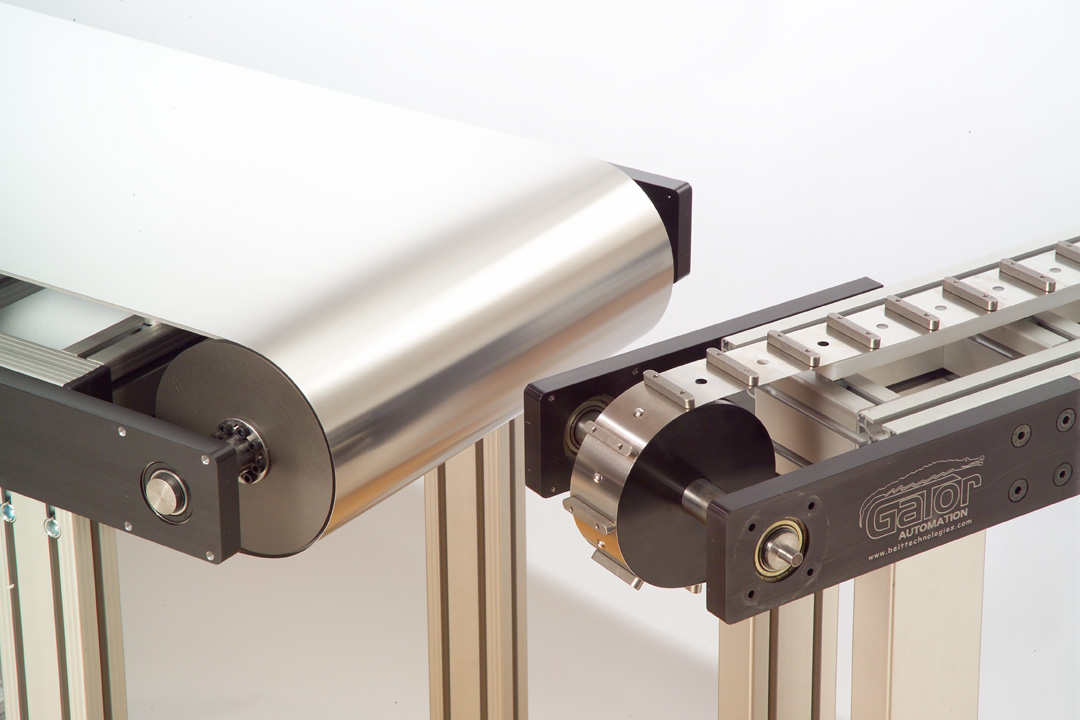
Pizza Producer Turns to Belt Technologies for Perforated Metal Conveyor Belt Solution

AGAWAM, MA, January, 20th, 2016Belt Technologies recently provided a solution for a producer of frozen pizzas using automated belts. The pizza producer had been purchasing solid, endless, stainless steel metal conveyor belts from the Agawam-based metal conveyor belt manufacturer, but the belts were breaking and warping when exposed to the high temperatures of the pizza cooking process. When Belt Technologies examined the product, it found that they had been perforated by a third-party company. The client explained that they had sent the belts to a machine builder to have them perforated; the perforation methods used were the cause for the belts’ eventual failures.

“Our engineers were able to determine that the damage was likely caused by high-impact perforation methods used by the company that assembled the system for the end user,” said Alan Wosky, President of Belt Technologies, Inc. “We repaired the damage to the belts and will be performing the perforation step during the production process for the customer from now on.”

Metal conveyor belts are an ideal solution for food processing facilities that need to cook raw products. Metal belts have a much higher thermal coefficient than conventional belt materials and are less likely to warp or stretch when exposed to high heat. They also conduct thermal energy efficiently, resulting in a perfectly cooked product, every time.

The engineers at Belt Technologies cited high-impact perforation methods as the reason for the belts’ failure during operation. The US-based metal conveyor belt manufacturer uses only specialized handheld tools, acid etching, or laser cutting to make perforations in metal belts; these put less stress on the metal. Read the full case study.

About Belt Technologies, Inc.

Belt Technologies, Inc. has been producing custom metal belt conveyor solutions for new and existing conveyor systems for more than five decades. With sophisticated engineering and advanced manufacturing processes, they are able to provide an unlimited variety of configurations and coatings for custom-designed belts. Metal belts, timing belts, and metal drive tapes are superior, high-quality options for automated production and robotic facilities. To learn more about Belt Technologies and metal conveyor belts, visit belt.marketmentorsdev.com/.

Wichtiger Leitfaden für das Design von Metallband-Transportsystemen: Was Sie vor einer Aufrüstung wissen müssen

[et_pb_section admin_label=”section”][et_pb_row admin_label=”row”][et_pb_column type=”4_4″][et_pb_text admin_label=”Text” background_layout=”light” text_orientation=”left” text_font_size=”14″ use_border_color=”off” border_color=”#ffffff” border_style=”solid”]

Unsere Techniker verfügen über eine mehr als 50-jährige Erfahrung bei der Entwicklung, der Fertigung und Installation von Transportsystemen mit endlosen Metallbändern. Während jeder unserer Kunden und jedes unserer Produkte einzigartig sind, gibt es einige gemeinsame Faktoren, die das Design jedes Metallband-Transportsystems beeinflussen. Unser Team hat einige der wichtigsten Punkte zusammengestellt, die berücksichtigt werden müssen, bevor Sie ein endloses Metallband nachrüsten. Die nachfolgenden Informationen sollen Ihnen helfen zu verstehen, was Sie vom Konstruktionsprozess erwarten können.

Definition der Anforderungen von Anwendung und Transportsystem

Es ist wichtig, dass Sie die einzigartigen Anforderungen Ihrer Anwendung verstehen. Normalerweise treten Kunden wegen eines Metallbandes an uns heran, wenn Sie:

  • Ein Problem mit ihrem aktuellen automatisierten Transportsystem lösen möchten.
  • Ein neues Produkt entwickeln möchten
  • Die Fertigungsgeschwindigkeit erhöhen möchten
  • Die Qualität des Endprodukts verbessern möchten

Unsere Techniker arbeiten mit Ihnen zusammen, um zu bestimmen, welche Elemente Ihres Fertigungsprozesses für das Enddesign Ihres neuen Transportsystems mit einem endlosen Metallband relevant sind. Sie berücksichtigen Faktoren wie verfügbarer Raum, gewünschte Verarbeitungsgeschwindigkeit, spezielle Bedürfnisse bei der Materialhandhabung und Sanitisierungsanforderungen des Gesamtsystems.

Die Zusammenarbeit mit Ihnen ist ein wichtiger Teil unseres Fertigungs- und Designprozesses. Wir legen größten Wert darauf Sie auf dem Laufenden zu halten, damit sichergestellt wird, dass das Endergebnis ein Metallband-Transportsystem ist, dass Ihre Leistungsanforderungen erfüllt und übertrifft.

Die einzigartigen Fähigkeiten von Edelstahlbändern verstehen

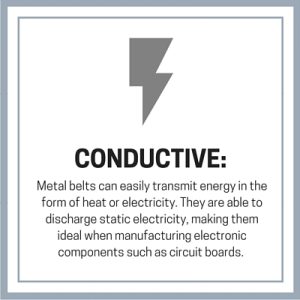
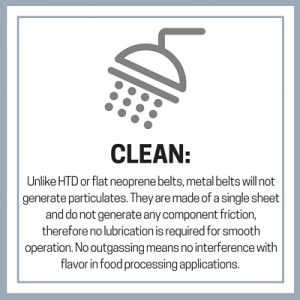
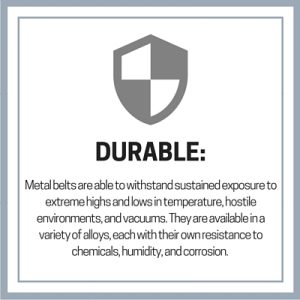
Es gibt eine lange Liste von Gründen, warum Edelstahlbänder eine überlegene Option beim Design von automatisierten Transportsystemen sind. Edelstahlbänder können in Umgebungen arbeiten, in denen Standard-Metallbänder einfach nicht funktionieren. Edelstahlbänder sind widerstandsfähiger gegenüber extremen Temperaturen und potenziellen Beschädigungen, die durch Reibung oder scharfe Gegenstände verursacht werden können. Die einzigartigen Eigenschaften der Bänder lassen sie zur idealen Wahl für den Einsatz in Reinräumen oder Vakuum-Umgebungen werden. Sie übertragen keinen Feinstaub und entladen statische Elektrizität, wodurch sie sehr gut für Elektronikhersteller geeignet sind.

Entwicklung von Metall-Transportsystemen Entwicklung von Metall-Transportsystemen

Entwicklung von Metall-Transportsystemen

Entwicklung von Metall-Transportsystemen

Designüberlegungen, die die Lebensdauer Ihres Bandes maximieren

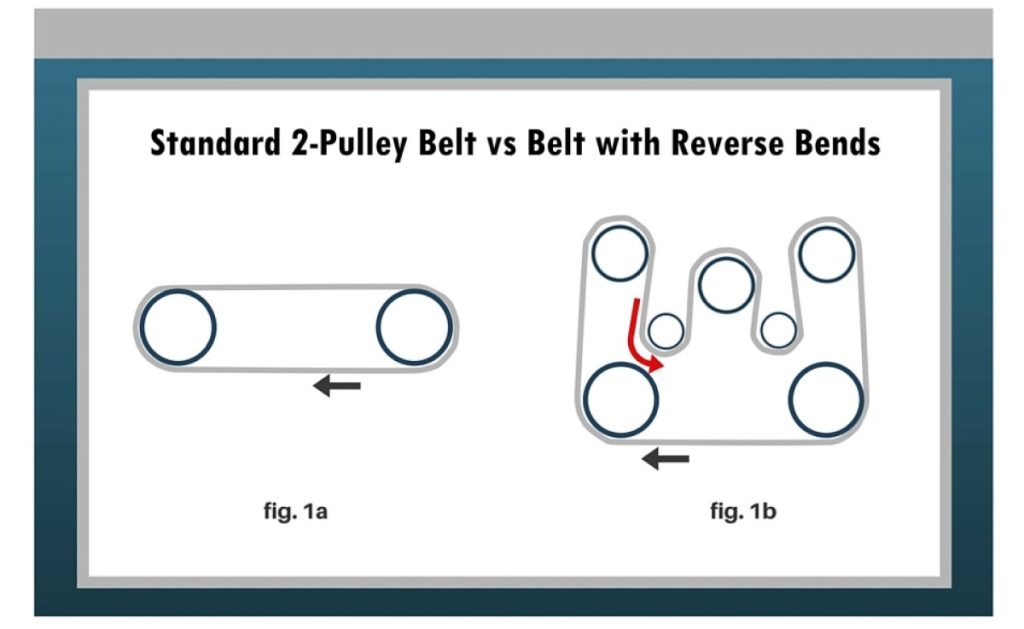
Sie können die Lebensdauer Ihres Metallband-Transportsystem einfach verlängern, wenn das ursprüngliche Design Elemente beinhaltet, die unnötigen Verschleiß verhindern. Metallbänder benötigen einen bestimmten Riemenscheibendurchmesser, der auf der Banddicke basiert. Zur Maximierung der Bandlebensdauer verwenden Sie den größtmöglichen Riemenscheibendurchmesser und halten das Verhältnis zwischen Riemenscheibendurchmesser und Banddicke bei 625:1 oder größer. Die Anzahl der ins System integrierten Riemenscheiben sollte so gering wie möglich gehalten werden (Abb. 1a). Außerdem sollten Umkehrbiegungen (Abb. 1b) soweit möglich vermieden werden.

Design eines Metallband-Transportsystems

Es ist ebenfalls wichtig, dass auf das Band die richtige Spannung angewendet wird, ohne dass eine Überspannung auftritt oder sich der Rahmen biegt. Unsere Techniker stellen Ihnen gern die speziellen Richtlinien für Art und Stil des Metallbandes, das Sie nutzen möchten, bereit.

Wählen Sie das beste Material für Ihre automatisierte Fertigungsanwendung

Für einen dauerhaften Betrieb werden unsere Metallbänder aus Edelstahl gefertigt. In Abhängigkeit von den Anforderungen Ihres Systems können die Riemenscheiben aus Edelstahl, Aluminium oder Kunststoff gefertigt werden. Es gibt eine umfassende Auswahl an Beschichtungsoptionen, um Ihre speziellen Bedürfnisse zu erfüllen. Zu den verfügbaren Beschichtungen gehören:

  • Antihaftbeschichtung TeflonⓇ
  • GatorcoatⓇ
  • Urethan oder Neopren
  • Silikon

Belt Technologies, Inc. kann eine breite Palette zusätzlicher Oberflächenbehandlungen anwenden. Sie reichen von Fluorkohlenstoffverbindungen über Vergoldungen bis hin zu Verklebung mit Diamantpulver. Außerdem können in Metallband-Designs einfach Perforationen implementiert werden. Präzise Perforationen erfolgen mechanisch oder mit anderen einschlagfreien Methoden für Taktgebung, Schlittenpositionierung, Indexierung oder zu Vakuumförderzwecken.

Möchten Sie mehr über die Aufrüstung Ihres aktuellen automatisierten Transport- oder Robotiksystems mit einem Transportbandsystem mit endlosem Metallband erfahren? Laden Sie unseren umfassenden Design-Leitfaden herunter oder kontaktieren Sie uns, um noch heute einen Kostenvoranschlag für Ihr Projekt zu erhalten!


[/et_pb_text][et_pb_cta admin_label=”Call To Action” title=”Design-Leitfaden herunterladen” button_url=”/design-info/” url_new_window=”off” button_text=”Click Now” use_background_color=”on” background_color=”#36516d” background_layout=”dark” text_orientation=”center” header_font_size=”26″ body_font_size=”14″ use_border_color=”off” border_color=”#ffffff” border_style=”solid” custom_button=”off” button_text_size=”20″ button_border_width=”2″ button_border_radius=”3″ button_letter_spacing=”0″ button_use_icon=”default” button_icon_placement=”right” button_on_hover=”on” button_border_radius_hover=”3″ button_letter_spacing_hover=”0″] [/et_pb_cta][/et_pb_column][/et_pb_row][/et_pb_section]

Essential Guide to Metal Conveyor System Design: What You Need to Know Before Upgrading

[et_pb_section fb_built=”1″ admin_label=”section” _builder_version=”3.22″][et_pb_row admin_label=”row” _builder_version=”3.25″ background_size=”initial” background_position=”top_left” background_repeat=”repeat”][et_pb_column type=”4_4″ _builder_version=”3.25″ custom_padding=”|||” custom_padding__hover=”|||”][et_pb_text admin_label=”Text” _builder_version=”3.27.4″ background_size=”initial” background_position=”top_left” background_repeat=”repeat” use_border_color=”off” border_color=”#ffffff” border_style=”solid”]

Our engineers have over 50 years of experience in designing, manufacturing, and installing endless metal belt conveyor systems. While every one of our customers and every one of our projects is unique, there are some common factors that affect every metal belt conveyor system design. Our team put together a few of the most important points to consider before upgrading to an endless metal belt; the following should help give you an idea of what to expect from the design process.

Define the Application and Conveyor System Requirements

It’s important to understand the unique requirements of your application. Typically, customers approach us for a metal belt because they need to:

  • Solve a problem with their current automated conveyor system.
  • Develop a new product
  • Increase manufacturing speed
  • Improve end product quality

Our engineers will work with you to determine which elements of your manufacturing process are relevant to the end design of your new, endless metal belt conveyor system. They will take into consideration factors such as available space, desired processing speed, special material handling needs, and sanitation requirements of the overall system.

Collaboration with you is a key part of our manufacturing and design process. We make it a priority to keep you informed to ensure the end result is a metal belt conveyor system that meets and exceeds your expectations for performance.

Understand the Unique Capabilities of Stainless Steel Belts

There is a long list of reasons why metal belts are a superior automated conveyor system design option. Metal belts are able to perform in environments that standard metal belts simply cannot. Stainless steel metal belts are more resistant to extreme temperatures and potential damage that may be caused by friction or sharp objects. The unique properties of metal belts make them ideal for use in clean rooms or vacuum environments. They will not transmit particulates and they discharge static electricity, making them an excellent choice for a manufacture of electronics. 

metal belt conveyor system design metal belt conveyor system design
metal belt conveyor system design

Design Considerations That Will Maximize the Lifespan of Your Belt

You can easily maximize the lifespan of your metal belt conveyor system when the initial design incorporates elements that will prevent unnecessary wear and tear. Metal belts require a certain pulley diameter based on belt thickness; to maximize belt life use the largest possible pulley diameter and keep the ratio between pulley diameter and belt thickness at 625:1 or greater. The number of pulleys included in the system should be kept to a minimum (fig. 1a) and reverse bends (fig. 1b) should be avoided whenever possible.

metal belt conveyor design

It is also important to apply the proper tension to the belt without over-tensioning or causing the frame to bow. Our engineers can provide you with specific guidelines for the type and style of metal belt you will be using.

Choose the Best Material for Your Automated Manufacturing Application

Our metal belts are made of stainless steel for long-lasting, durable operation. Depending on your system’s needs, pulleys may be made from stainless steel, aluminum, or plastic. There is a wide variety of surface coating options available to further specialize your metal belt to suit your specific needs. Some of the available coating options include:

  • Non-stick TeflonⓇ
  • GATORCOATⓇ
  • Urethane or neoprene
  • Silicone

Belt Technologies, Inc. is able to apply a wide range of additional surface treatments, from fluorocarbon compounds to gold plating and powdered diamond bonding. Perforations can easily be implemented to metal belt designs. Precision perforations are made mechanically or with other non-impact methods for timing, carriage positions, indexing, or vacuum conveying purposes.

Are you interested in learning more about upgrading your current automated conveyor or robotic system to an endless metal belt conveyor system? Download our comprehensive design guide or contact us to get a quote for your project today!


[/et_pb_text][et_pb_cta title=”Download the Design Guide” button_url=”/design-info/” button_text=”Click Now” admin_label=”Call To Action” _builder_version=”3.16″ background_size=”initial” background_position=”top_left” background_repeat=”repeat” use_border_color=”off” border_color=”#ffffff” border_style=”solid” button_border_radius_hover=”3″ button_letter_spacing_hover=”0″ button_text_size__hover_enabled=”off” button_one_text_size__hover_enabled=”off” button_two_text_size__hover_enabled=”off” button_text_color__hover_enabled=”off” button_one_text_color__hover_enabled=”off” button_two_text_color__hover_enabled=”off” button_border_width__hover_enabled=”off” button_one_border_width__hover_enabled=”off” button_two_border_width__hover_enabled=”off” button_border_color__hover_enabled=”off” button_one_border_color__hover_enabled=”off” button_two_border_color__hover_enabled=”off” button_border_radius__hover_enabled=”on” button_border_radius__hover=”3″ button_one_border_radius__hover_enabled=”off” button_two_border_radius__hover_enabled=”off” button_letter_spacing__hover_enabled=”on” button_letter_spacing__hover=”0″ button_one_letter_spacing__hover_enabled=”off” button_two_letter_spacing__hover_enabled=”off” button_bg_color__hover_enabled=”off” button_one_bg_color__hover_enabled=”off” button_two_bg_color__hover_enabled=”off”][/et_pb_cta][/et_pb_column][/et_pb_row][/et_pb_section]

3 Gründe, warum Metallbänder die Automatisierung der Lebensmittelverarbeitung im Jahre 2016 beherrschen werden

Lebensmittel-MetalltransportbandDie Lebensmittelbranche ist eines der vielfältigsten und anspruchsvollsten Beispiele für die Transportband-Automatisierung. Die Maschinerie muss speziell entwickelt werden, um die einzigartigen Handhabungsbedürfnisse einer breiten Palette von Lebensmittelprodukten zu erfüllen. Dazu gehören Geflügel, Fisch, Backwaren, Obst, Gemüse, Milchprodukte und Süßwaren. Die automatisierte Ausrüstung zur Lebensmittelverarbeitung muss auch die strengen sanitären Spezifikationen der Food and Drug Administration (FDA) erfüllen, um die Verbreitung von gefährlichen Bakterien oder Infektionen zu vermeiden.

Bei der Auswahl von Materialien für die Entwicklung eines automatisierten Lebensmittel-Transportsystems gibt es keine bessere Alternative als Edelstahl-Transportbänder. Metallbänder benötigen keine Schmierung, sie sind widerstandsfähig gegenüber Chemikalien und beeinträchtigen den Geschmack des Endprodukts nicht. Außerdem sind sie vielseitig, einfach in das Design jedes automatisierten Transportsystems zu integrieren, und sie können bei Bedarf kundenspezifisch mit speziellen Beschichtungen oder Perforationen gefertigt werden.

Metallbänder arbeiten unter extremen Temperaturen

Metall-LebensmitteltransportbandDie Hygienisierungs-, Koch- und Kühlmethoden, mit denen Lebensmittel verarbeitet werden, erfordern, dass die gesamte Ausrüstung widerstandsfähig gegenüber extremen Temperaturen ist. Metallbänder haben einen niedrigeren Wärmeausdehnungskoeffizienten, wodurch sie in der Lage sind, ihre Form bei hohen Temperaturen einfach zu bewahren. Das verlängert die Lebensdauer und die Zuverlässigkeit der Ausrüstung zur Lebensmittelverarbeitung. Im Gegensatz zu Kunststoffbändern, die schmelzen, sich wellen oder brechen können, wenn sie größeren oder geringeren Temperaturschwankungen ausgesetzt sind, können Metallbänder einem plötzlichen Temperaturabfall oder -anstieg widerstehen.

Metall-Transportbänder haben gegenüber anderen Transportbandmaterialien den Vorteil, dass sie widerstandsfähig gegenüber extremen Temperaturen sind. Kunststoffbänder dürfen keinen Temperaturen ausgesetzt werden, die 100℃ überschreiten, wohingegen Metallbänder auf mehr als 121℃ erhitzt werden können. Edelstahlbänder werden von großer Hitze, die in der Kochstufe verschiedener Lebensmittelprodukte, z. B. bei Tiefkühlpizzas oder Burger-Frikadellen, zum Einsatz kommt, nicht beeinträchtigt. Außerdem übertragen sie die Wärme schneller und gleichmäßiger, wodurch ein besseres, konsistenter zubereitetes Produkt entsteht.

Die Hygiene-Anforderungen für Lebensmittel-Transportsysteme übertreffen

Metall-LebensmitteltransportbandEpidemien, die von mangelhafter Behandlung der Lebensmittel und unzureichenden Hygieneverfahren während der Verarbeitung verursacht werden, können ein ernsthaftes Problem für Einrichtungen mit automatisierter Lebensmittelverarbeitung darstellen. Die Kosten einer Rückrufaktion für verunreinigte Produkte und die Gefahr, die diese Produkte für das Leben von Verbrauchern darstellen können, erfordern eine dauernde Reinheit im Bereich der Lebensmittelverarbeitung. Dank ihres Widerstands gegenüber hohen Temperaturen können Edelstahl-Transportbänder Hygienemaßnahmen nutzen, die hohe Temperatur und hohen Druck einsetzen, um Verunreinigungen zu entfernen. Sie sind ebenfalls widerstandsfähig gegenüber Korrosion und werden durch starke Chemikalien wie Chlor, das zu Reinigungszwecken eingesetzt werden kann, nicht beeinträchtigt.
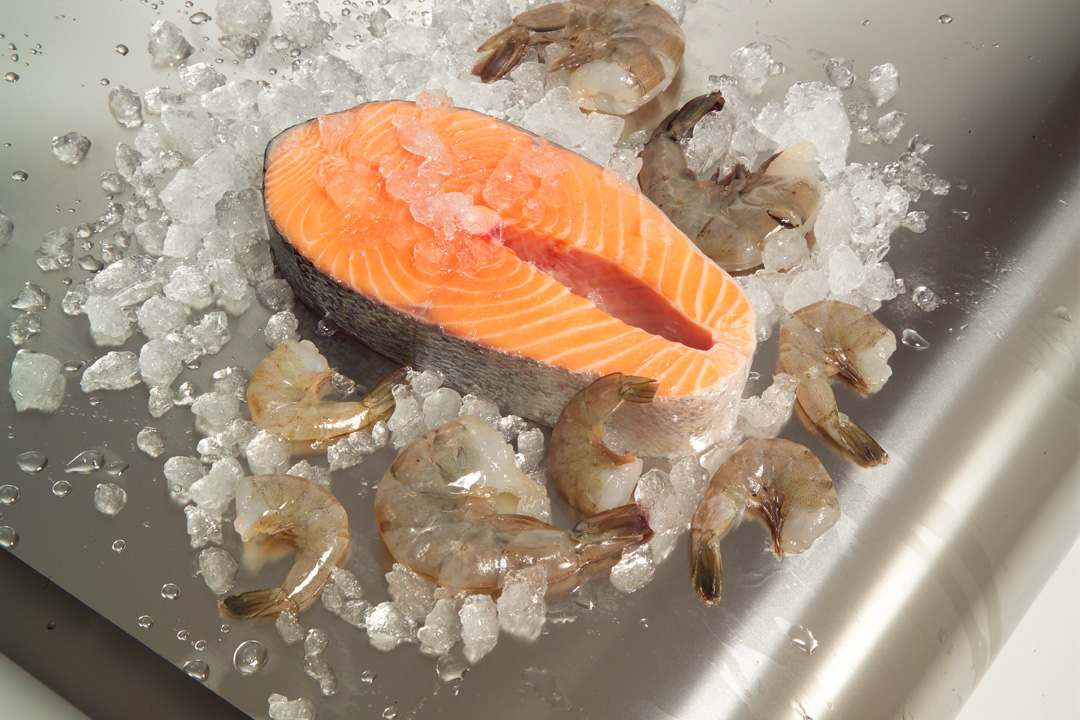
Kunststoffbänder sind anfällig für physische Beschädigungen wie Absplitterungen, Kratzer oder Mulden, die zu gefährlichen Oasen für Chemikalien, Verseuchungen oder Allergene werden können. Edelstahl-Transportbänder präsentieren eine porenfreie, hygienische Oberfläche, die nicht zerkratzt oder absplittert und auf Temperaturen erhitzt werden kann, in denen Bakterien nicht überleben können.

Ultimative Präzision und zuverlässige Ergebnisse erzielen

Die Integration von Edelstahl-Transportbändern in Ihr System zur automatisierten Lebensmittelverarbeitung garantiert hygienische, effiziente und wiederholbare Ergebnisse. Automatisierte Transportsysteme, die Metallbänder verwenden, wurden hygienisch für eine einfache Reinigung entwickelt. Die Hygienisierung erfordert keinen Ausbau des Bandes. Die Bänder können zur Bestückungsanzeige auch mit Zubehör geliefert werden. Alle Edelstahlbänder nutzten den hohen Temperaturkoeffizienten von Edelstahl und widerstehen Korrosion – ein zweifacher Vorteil, der eine langfristige Zuverlässigkeit sicherstellt.

Die gleichmäßige, schnelle und saubere Arbeitsweise von Edelstahlbändern lässt sie zur idealen Wahl für die Branche der automatisierten Lebensmittelverarbeitung werden. Unsere erfahrenen Techniker können beim Design Ihres automatisierten Systems helfen, um sicherzustellen, dass Sie mit Ihrer Ausrüstung die Ergebnisse erzielen, die Sie benötigen. Belt Technologies, Inc. kann automatisierte Metallband-Transportsysteme in jeder Konfiguration, aus jedem Material oder mit jeder Beschichtung, die Sie benötigen, entwickeln, fertigen und montieren. Rufen Sie noch heute an oder senden Sie online eine Anfrage!

Trois raisons pour lesquelles les tapis métalliques domineront l’automatisation du traitement des aliments en 2016

tapis convoyeur métallique d'aliments
Le secteur alimentaire est l’un des exemples les plus divers et sophistiqués de l’automatisation des convoyeurs. Les machines doivent être spécialement conçues pour recevoir les besoins de manutention uniques d’une large gamme de produits alimentaires tels que la volaille, les poissons, les aliments cuits, les fruits, les légumes, les laitages et les bonbons. Un équipement de traitement automatisé des aliments doit aussi respecter de


strictes spécifications sanitaires


de l’Administration américaine des aliments et médicaments, afin d’empêcher la diffusion de bactéries ou d’infections dangereuses.


Lors du choix de matériaux pour la mise au point d’un


système automatisé de convoyeur de traitement des aliments


, il n’y a pas de meilleure alternative que les tapis convoyeurs en acier. Les tapis métalliques ne nécessitent pas de lubrification, résistent aux produits chimiques et n’affecteront pas le goût du produit final. Ils sont aussi versatiles, s’adaptant aisément au design de tout système automatisé de traitement des aliments et ils peuvent être fabriqués à la demande avec


des revêtements spéciaux


ou des perforations, le cas échéant.

Les tapis métalliques fonctionnent bien par des températures extrêmes

tapis convoyeur métallique d'aliments
Les méthodes sanitaires, la cuisson et le refroidissement par lesquels les aliments sont traités rendent crucial que tout l’équipement soit résistant aux températures extrêmes. Les tapis métalliques ont un coefficient moindre d’expansion thermique ce qui leur permet de conserver facilement leur forme sous des températures élevées. Ceci étend la durée de vie et la fiabilité de l’équipement de traitement des aliments. A la différence des tapis en plastique, qui peuvent fondre, se tordre ou se rompre lorsqu’ils sont exposés à des fluctuations de températures basses et élevées, les tapis métalliques sont capables de supporter une baisse ou une augmentation soudaine des températures.


Les tapis convoyeurs métalliques ont l’avantage par rapport à des convoyeurs faits d’autres matières de supporter des températures extrêmes. Les tapis en plastique ne peuvent être exposés à des températures plus élevées que 100 ℃, toutefois les tapis convoyeurs métalliques peuvent être chauffés à plus de 121 ℃. Les tapis en acier inoxydable ne seront pas affectés par la chaleur élevée utilisée lors de la phase de cuisson de certains produits alimentaires tels que des pizzas congelées ou des hamburgers, et ils transmettront plus rapidement et également la chaleur pour obtenir un produit cuit de manière plus consistante.

Dépasser les exigences sanitaires pour les systèmes de convoyeurs alimentaires

tapis convoyeur métallique d'aliments
Les épidémies causées par une mauvaise manutention alimentaire


et des procédures sanitaires insuffisantes lors du traitement peuvent constituer un grave problème pour les installations automatisées de traitement des aliments. Le coût de rappel des produits contaminés et le danger que ces produits posent aux vies des consommateurs nécessitent une propreté constante sur le lieu de traitement des aliments. Grâce à leur résistance aux hautes températures, les tapis convoyeurs en acier inoxydable peuvent supporter des méthodes sanitaires utilisant une chaleur et une pression élevée afin d’éliminer les agents contaminants. Ils résistent aussi à la corrosion et ne seront pas touchés par des produits chimiques puissants tels que le chlore, qui peut être utilisé pour des besoins de nettoyage.


Les tapis en plastique sont susceptibles d’être endommagés par des écaillures, des rayures et des marques pouvant devenir des abris dangereux pour les produits chimiques, les éléments contagieux ou allergènes. Les tapis convoyeurs en acier inoxydable présentent une surface non-poreuse et sanitaire qui ne s’écaillera ni ne se rayera pas, et qui peut être chauffée bien au-dessus des températures sous lesquelles les bactéries peuvent survivre.

Obtenez une précision suprême et des résultats fiables


Incorporer


des tapis convoyeurs en acier inoxydable


à votre système automatisé de traitement des aliments garantie des résultats sanitaires, efficaces et répétables. Les systèmes convoyeurs automatisés utilisant des tapis métalliques sont conçus de manière hygiénique pour être simples à nettoyer ; le nettoyage n’exige pas l’enlèvement du tapis. Les tapis peuvent aussi être proposés avec des accessoires pour l’indexation du placement. Tous les tapis en acier inoxydable utilisent la résistance aux hautes températures et à la corrosion de l’acier inoxydable


un double avantage qui garantit une fiabilité à long terme.


Les opérations fluides, rapides et propres des tapis métalliques en acier inoxydable les rendent idéaux pour le secteur automatisé du traitement des aliments. Nos ingénieurs expérimentés peuvent aider à la conception de votre système automatisé pour vous garantir d’obtenir les meilleurs résultats nécessaires de la part de votre équipement. Belt Technologies Inc. peut concevoir, fabriquer et assembler des systèmes de tapis convoyeurs métalliques automatisés avec toute configuration, matière ou revêtement qu’il vous faut. Appelez-nous ou


envoyez une demande de devis


en ligne dès aujourd’hui !

3 Reasons Metal Belts Will Dominate Food-Processing Automation in 2016

metal food conveyor beltThe food industry is one of the most diverse and sophisticated examples of conveyor automation. Machinery must be specially designed to accommodate the unique handling needs of a wide variety of food products, such as poultry, fish, baked goods, fruits, vegetables, dairy, and candy. Automated food-processing equipment must also fulfill the strict sanitary specifications of the Food and Drug Administration to prevent the spread of dangerous bacteria or infection.

When choosing materials for the development of an automated food-processing conveyor system, there is no better alternative than stainless steel metal conveyor belts. Metal belts do not require lubrication, are resistant to chemicals, and will not affect the taste of the end product. They are also versatile, fitting easily into the design of any automated food-processing system and can be custom fabricated with special coatings or perforations, if required.

Metal Belts Perform in Extreme Temperatures

metal food conveyor beltThe sanitation, cooking, and cooling methods by which food is processed make it crucial that all equipment be resilient to extreme temperatures. Metal belts have a lower thermal expansion coefficient, which enables them to easily retain their shape in high temperatures. This extends the lifespan and reliability of food-processing equipment. Unlike plastic belts, which may melt, warp, or break when exposed to high and low fluctuations in heat, metal belts are capable of withstanding a sudden drop or increase in temperature.

Metal conveyor belts have the advantage over other conveyor materials for their ability to withstand extremes in temperature. Plastic belts cannot be exposed to temperatures higher than 100℃, however metal conveyor belts can be heated in excess of 121℃. Stainless steel belts will not be negatively affected by the high heat used in the cooking stage of certain food products, such as frozen pizzas or burger patties, and will transmit heat faster and more evenly for a better, more-consistently-cooked product.

Surpassing Sanitation Requirements for Food Conveyor Systems

metal food conveyor beltOutbreaks caused by poor food handling and insufficient sanitation procedures during processing can be a serious issue for automated food-processing facilities. The cost of recalling contaminated products and the danger those products pose to the lives of consumers necessitates cleanliness at all times on the food-processing floor. Thanks to their high-temperature resilience, stainless steel conveyor belts are capable of withstanding sanitation methods that use high heat and pressure to remove contaminants. They are also resistant to corrosion and will not be affected by strong chemicals such as chlorine, which may be used for cleaning purposes.

Plastic belts are susceptible to physical damage such as chips, scratches, or pits that can become hazardous havens for chemicals, contagions, or allergens. Stainless steel conveyor belts present a nonporous, sanitary surface that will not scratch or chip and can be heated well above the temperatures in which bacteria can survive.

Achieve Ultimate Precision and Reliable Results

Incorporating stainless steel conveyor belts into your automated food-processing system guarantees sanitary, efficient, and repeatable results. Automated conveyor systems using metal belts are hygienically designed to be easy to clean; sanitation does not require removal of the belt. The belts can also come with attachments for placement indexing. All stainless steel belts utilize stainless steel’s high temperature coefficient and corrosion-resistancea twofold advantage that ensures long-term reliability.

The smooth, fast, and clean operations of stainless steel metal belts make them ideal for the automated food-processing industry. Our experienced engineers can help with the design of your automated system to ensure you get the results you need from your equipment. Belt Technologies, Inc. can design, fabricate, and assemble automated metal conveyor belt systems in any configuration, material, or coating you require. Call or submit a request for a quote online today!

Automated Metal Belt Conveyor System by Belt Technologies Ramps Up Solar Panel Production

Agawam, Mass., December 8—Belt Technologies, Inc. is proud to announce the results of a state-of-the-art fabrication system they had developed with a prominent solar panel manufacturer. Use of the system has resulted in a production increase of 1,000% over the course of one year. Belt Technologies designed and built a customized stainless steel vacuum conveyor belt for the system that can withstand high temperatures and speeds while maintaining the safe, gentle handling procedures required for solar panel manufacturing.

“We’re extremely pleased with these results,” says president of Belt Technologies, Alan Wosky. “To develop and produce an automated conveyor system that could allow them to ramp up their production rates in such a drastic fashion is a major accomplishment. Our custom metal belts are ideal for automated systems where accuracy, repeatability, and the ability to handle extreme temperatures is needed.”

The new conveyor belt system will replace manual manufacturing methods that had a slow turnaround time and inconsistent results. Belt Technologies was selected for this project due to their long, outstanding history of designing and fabricating custom metal conveyor belt systems as well as their technical knowledge and experience that surpasses the abilities of other potential competitors.

Key features of the conveyor system include a specially designed vacuum conveyor; the vacuum allows the belt to smoothly release the solar panels with minimal handling at high temperatures.

The system’s 10:1 production increase is attributed to the speed and accuracy of this specialized, custom conveyor belt. Belt Technologies, Inc. anticipates an increased demand for automated conveyor systems as a means to improve production rates across multiple industries. As an innovator in custom metal belt design and production, Belt Technologies routinely develops new metal belt system configurations for a wide range of applications, including food service, medical device manufacturing, robotics, and more.

About Belt Technologies, Inc.

Belt Technologies, Inc. has been producing custom metal belt conveyor solutions for new and existing conveyor systems for more than five decades. With sophisticated engineering and advanced manufacturing processes, they are able to provide an unlimited variety of configurations and coatings for custom-designed belts. Metal belts, timing belts, and metal drive tapes are superior, high-quality options for automated production and robotic facilities. To learn more about Belt Technologies and metal conveyor belts, visit belt.marketmentorsdev.com/.


Additional Coverage: Eureka Magazine, Drives & Controls

Le système de tapis convoyeur automatisé métallique de Belt Technologies accroît la production de panneaux solaires


Agawam, Mass., 8 décembre — L’entreprise Belt Technologies Inc. est fière de vous annoncer les résultats d’un système de fabrication de pointe développé par la société avec un fabricant proéminent de panneaux solaires. L’utilisation du système a résulté en une augmentation de plus de 1 000 % de la production sur une année. Belt Technologies a conçu et construit un tapis convoyeur sous vide en acier inoxydable personnalisé pour le système, pouvant supporter des températures et vitesses élevées tout en conservant les procédures de manutention sécurisées et délicates nécessaires à la fabrication de panneaux solaires.


“Nous sommes extrêmement heureux de ces résultats”, a déclaré Alan Wosky, directeur de Belt Technologies. “Développer et produire un système convoyeur automatisé pouvant leur permettre d’augmenter leurs taux de production de manière si radicale est une réussite majeure. Nos tapis métalliques personnalisés sont idéaux pour les systèmes automatisés où l’exactitude, la répétition et la capacité de supporter des températures extrêmes sont nécessaires.”


Le nouveau système de tapis convoyeur remplacera les méthodes de fabrication manuelle qui s’accompagnaient de temps de production lents et de résultats inconsistants. Belt Technologies a été choisie pour ce projet à cause de son long et remarquable passé de conception et de fabrication de systèmes de tapis convoyeurs métalliques personnalisés ainsi que ses connaissances techniques et son expérience surpassant les capacités des concurrents potentiels.


Les fonctionnalités clé du système convoyeur incluent un tapis sous vide spécialement conçu ; le vide permet au tapis de produire les panneaux solaires de façon fluide avec une manutention minimale à hautes températures.


L’augmentation multipliée par 1 000 de la production est attribuée à la vitesse et à l’exactitude de ce tapis convoyeur spécialisé et personnalisé. Belt Technologies Inc. anticipe une demande accrue pour les systèmes convoyeurs automatisés comme moyen d’augmenter les taux de production dans de nombreux secteurs. En tant qu’entreprise innovatrice dans la conception et la production de tapis métalliques personnalisés, Belt Technologies développe de façon routinière de nouvelles configurations de systèmes de tapis métalliques pour une large gamme d’applications, notamment les services alimentaires, la fabrication d’appareils médicaux, la robotique et autres.

Au sujet de Belt Technologies Inc.


Belt Technologies Inc. produit des solutions de tapis convoyeurs métalliques personnalisés pour les systèmes de convoyeurs nouveaux et existants depuis plus de cinq décennies. Grâce à des procédés sophistiqués d’ingénierie et avancés de fabrication, la société peut fournir une variété illimitée de configurations et de revêtements pour les tapis conçus à la demande. Les tapis métalliques, les tapis synchrones et les cassettes de transmission métalliques représentent des options supérieures et de haute qualité pour la production automatisée et les installations robotiques. Pour en savoir plus sur Belt Technologies et les tapis convoyeurs métalliques, veuillez consulter le site


belt.marketmentorsdev.com/


.


Couverture additionnelle :

Eureka Magazine
,

Transmissions et commandes