Belt Technologies Logo

Maintaining Food Safety with Stainless Steel Conveyor Belts

In recent months, the food processing industry has dealt with a slew of product recalls. While some of these recalls were due to bacterial contaminants that spread through poorly inspected product, other recalls have been initiated due to product contamination by faulty processing equipment.

Any product recall is a devastating loss for a manufacturer. The financial strain of recalling contaminated materials, the unnecessary waste of lost product, and the potential danger those products pose to consumers necessitate stringent safety standards for any automated food processing system. Inferior equipment materials, such as plastic or rubber conveyor belts, can represent a needless risk to product quality. Due to aging and repeated use, they can fray and generate particulates that can directly contaminate food. They can also “outgas”, which will affect the flavor of food products. Additionally, rubber and plastic belts are susceptible to physical damage that creates pits, divots, or cracks where chemicals, allergens, or contagions can fester.

Stainless Steel is Ideal for Food Processing Applications

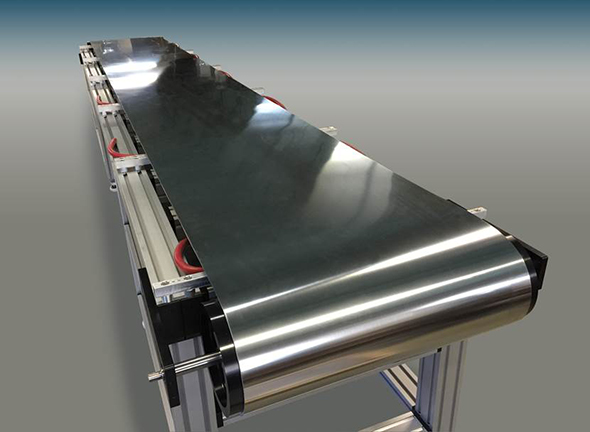
food grade stainless steel conveyor belt
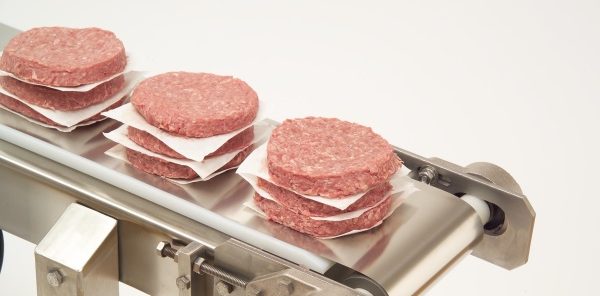
Endless metal belts have a flat, nonporous surface and will not absorb bacteria.

Solid stainless steel conveyor systems are a long-lasting, accurate and repeatable material choice for food processing systems. Metal conveyor belts do not require lubrication and they do not outgas, so there is no risk to product flavor. Additionally, they do not fray or generate particulates that can contaminate food and endanger consumers.

Maintaining standards for cleanliness and sanitization is easy with stainless steel conveyor belts. The solid, non-porous surface of endless metal belts is resistant to bacteria, providing an overall cleaner surface area for transporting edible materials. Thanks to their resistance to high temperatures and corrosion, stainless steel conveyor systems can also easily be cleaned with any cleansing method such as chlorine washes, high-pressure steam, high-pressure washes, and more. Stainless steel conveyor systems by Belt Technologies are specifically designed for easy access, allowing OEMs to save time during maintenance and cleaning operations.

Achieve Optimal Product Throughput and Efficiency

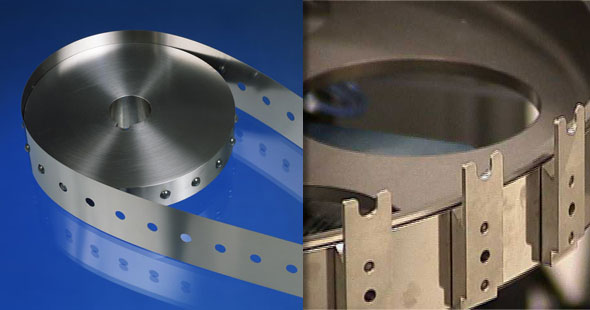
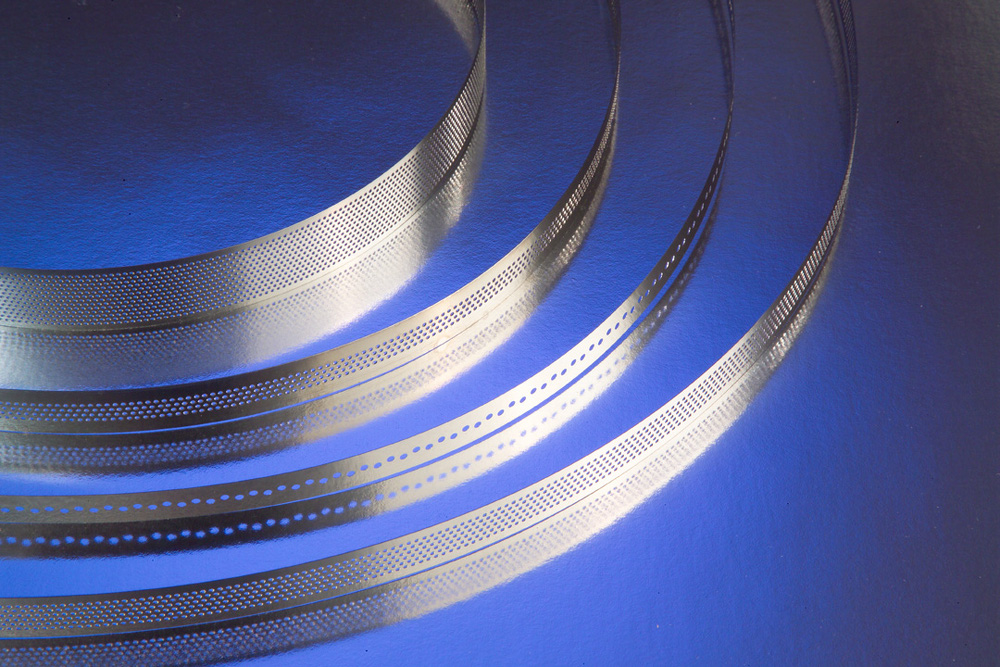
The design and configuration options for stainless steel food processing systems are versatile. Non-stick surface coatings or perforations can be added to improve efficiency and product quality. Conveyor belts can also be fitted with attachments for more accurate placement indexing. All stainless steel belts have the twofold advantage of operating at high temperatures and corrosion-resistance that ensures long-term safety and reliability.

Including stainless steel into your automated food processing system guarantees sanitary, efficient, and reliable product quality results. Our engineers can easily design metal belts to fit into and upgrade any existing automated food processing system. We can engineer and fabricate custom stainless steel conveyor systems designed to fit your unique food processing application. From frozen foods, such as ice cream and frozen pizzas, to cooking processes for raw meat, stainless steel metal conveyor belts are excellent for the cooking, freezing, and handling of edible products.

Having troubles with an automated food processing system? We’re standing by to help. Contact the experts at Belt Technologies, today.
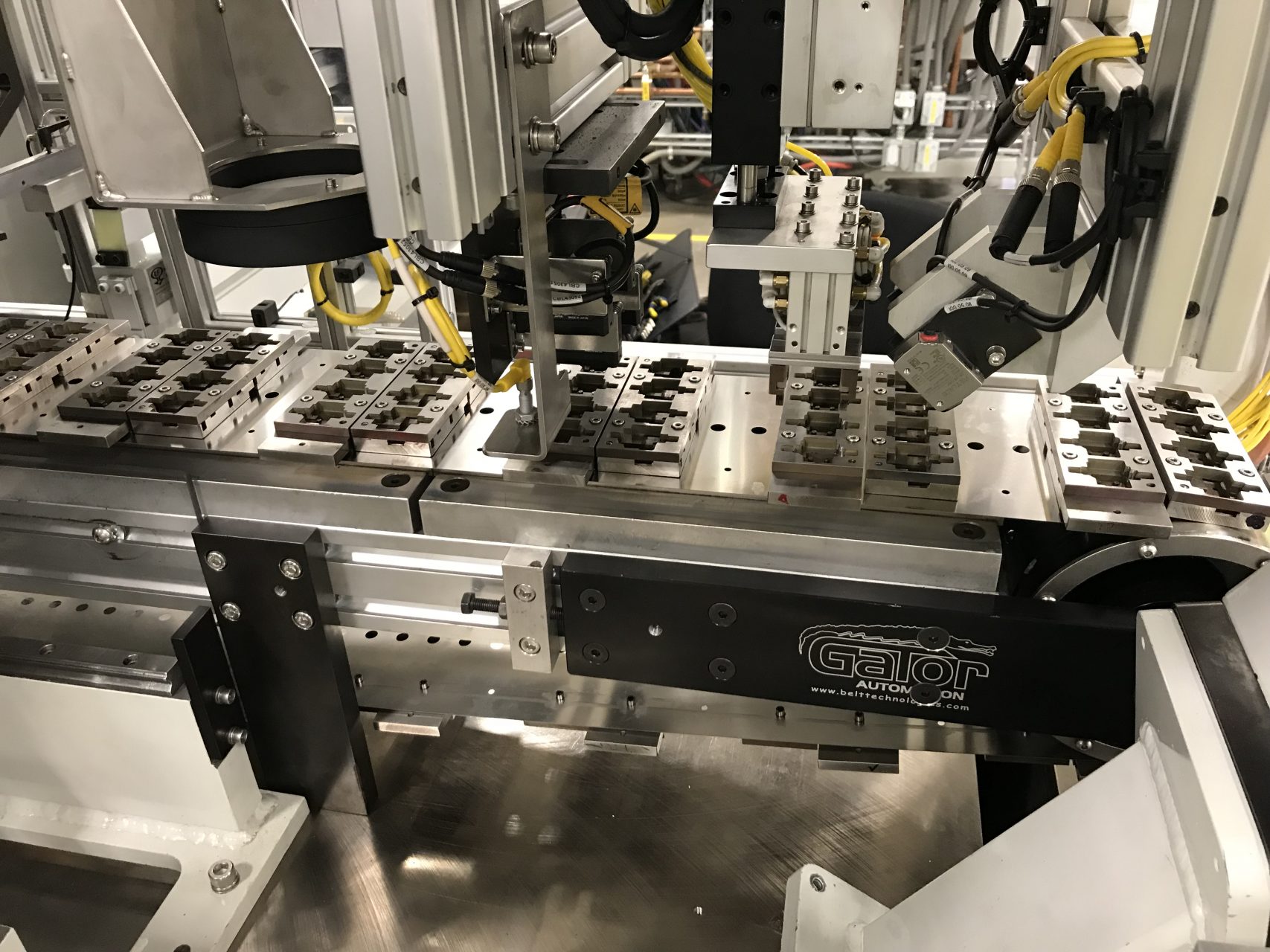
 

Belt Provides Onsite Support to Help a Recent Customer with Belt Installation and Tracking Solutions

Recently, a customer from a previous project contacted Belt Technologies with a problem. Our engineers had provided them with a conveyor belt for the production of electrical connectors. Unfortunately, they were experiencing issues with the belt after it was installed in their system and they needed help identifying the source of the problem. Members of our team traveled to their location in Mexico to help their team troubleshoot the belt and provide them with a lasting solution.

Troubleshooting a Short Belt Lifespan

Metal conveyor belt and conveyor system with custom attachments by Belt Technologies.Originally, Belt Technologies produced a custom stainless steel conveyor belt that would support unique nesting attachments designed to hold electrical connectors in place as they were assembled. The belt was sent to a secondary builder, who then attached the custom fixtures. The individual fixtures were very heavy, weighing 1.45 pounds each; there were 48 fixtures in total. Because of the pulley dimensions, the belt was relatively thin. However, due to the high strength-to-weight ratio of stainless steel, the significant weight of the fixtures should not have caused the belt to fail so early in its operating lifespan.
Belt engineers traveled onsite to the customer plant to assist the end user with the setup and see if there was a solution for extending the belt life. After examining the system in operation, our engineers were able to determine that there was not enough clearance left between the fixtures on the belt and the legs of the system. As the fixtures traveled around the pulleys, they were striking the legs. Combined with minor alignment issues from incorrect installation, the repeated impacts contributed to chordal vibrations; these added stressors lead to fractures along the perforations of the belt and ultimately cause it to fail.

Proper Tensioning and Tracking Solutions

Our engineers were able to troubleshoot the issue and made small onsite adjustments to enhance productivity and save costs by reducing downtime and maintenance. They also helped train some of the end user’s employees on proper tracking and tensioning of the belt. Properly tensioning the belt fixed the underlying alignment issues with the pulleys that were contributing to the belt failure. The legs of the system were adjusted to provide enough clearance for the fixtures and prevent the repeated collisions that were damaging the belt.

Your System’s Success Is Our Priority

Our team was more than willing to work with the end user onsite to evaluate the machine as it ran, assess each element, and identify the cause of the issue. At Belt Technologies, the success of your automated system is our priority. We will always go the extra mile to ensure customers get the maximum possible lifespan from their conveyor belts.

For more information about custom stainless steel belts for your conveyor system, contact us today.

Driving Innovation in Automation Technologies with Stainless Steel Belts

Stainless steel conveyor belts, timing belts, and drive tapes can be found in some of the most innovative automation technologies of our time. The versatility and durability of stainless steel make it an ideal material choice for a variety of industries. Belts and drive tapes made of stainless steel are easily customized to suit a wide range of operating conditions and handling requirements. They can endure extreme temperatures, heavy loads, and even caustic chemicals without warping, breaking, or losing positional accuracy. These characteristics give stainless steel drive tapes, timing belts, and conveyor belts the advantage when it comes to cutting-edge automation technology.

Expanding 3D-Printing Applications

33D-printing technology is rapidly becoming a mainstay in the world of manufacturing. 3D printers now exist in many sizes and capabilities; they range from smaller, desktop models designed for use at home to huge, industrial models capable of fabricating complex equipment such as bridges and boats. Belt Technologies engineers have provided 3D printer OEMs with design feedback and support as well as the stainless steel printing belts and drive tapes that make it all possible.

Our team has worked on a variety of 3D-printing projects that push the boundaries of this burgeoning industry. For example, one manufacturer was working on a design for a portable, desktop model of a 3D printer. Belt Technologies designed and produced for the customer a miniaturized printing belt that included tiny pulleys. Creating a functioning printer head and belt at such a small scale was a unique challenge that our team was happy to meet head-on.

Belt Technologies has helped with the design and production of very large 3D printers, too. One recent customer required belts for massive machines intended for the production of industrial equipment. Instead of a printer head that moved side to side as it lays down material, these specific 3D printers were designed to use a belt that moves the printed object around a nearly stationary printer head. The size of the objects being printed put a heavy frictional load on the belt; inferior belt materials damaged too easily and would not last very long. Belt Technologies engineers provided the customer with a solid, stainless steel belt with a friction-reducing coating on the interior diameter to help extend the belt’s lifespan and maximize product throughput.

Robotics Applications Benefit from the Strength and Precision of Stainless Steel

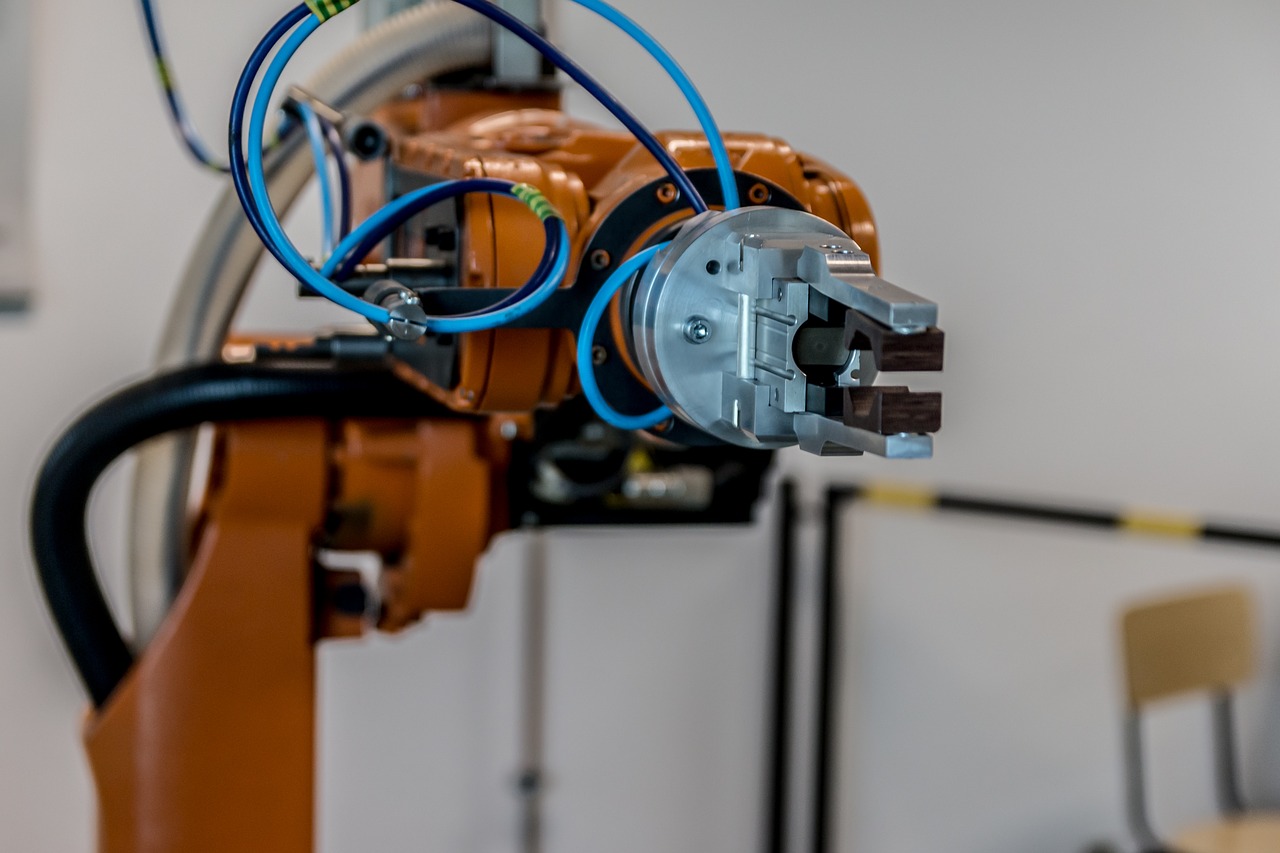
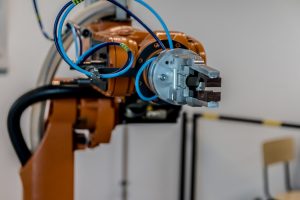
automated assembly robotic armWhen we think of “futuristic technologies,” robots are probably one of the first things to come to mind. Although science is still a long way from creating the kind of robots we might be accustomed to seeing in science fiction, there are many industries that use robotics as part of their everyday operation. Robotic assembly lines are a common automation tool that make it possible to produce sensitive electronics, medical equipment, and other products that require absolute precision.
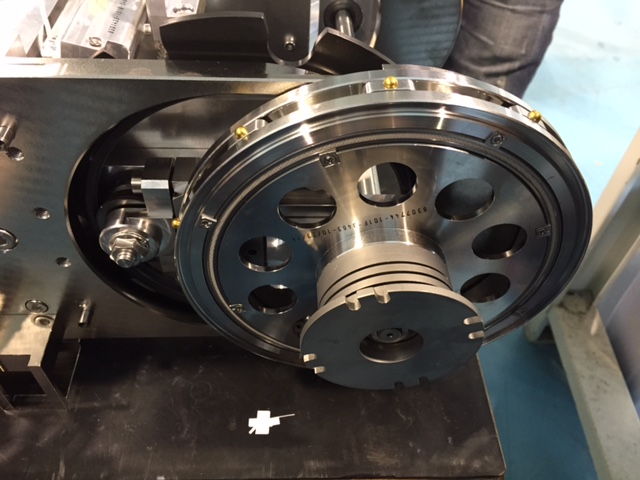
Belt Technologies engineers have worked with multiple robotic automation OEMs to design and produce equipment for the safe handling of products such as semiconductor wafers and vaccines. Stainless steel drive tapes are ideal for these applications. They are virtually non-stretchable and able to provide repeatable, precise motion profiles. Robotic arms with stainless steel drive tapes can perform an action thousands of times, with no change in the range of motion per cycle. They are also easy to clean, do not require lubrication, and do not generate particulates, making them ideal for kind of sterile environments such as in clean rooms and vacuum spaces, where robotics technologies are generally needed.

Do you have a new, innovative automation challenge that would benefit from the unique properties of stainless steel? Contact the experts at Belt Technologies today to learn more.

Stainless Steel Conveyor Belt Tracking Solutions

Belt tracking is accomplished by increasing or decreasing the tension on one edge of the belt in relation to the other edge. It is a process similar to tensioning the belt during installation. If the tension on one side of the belt is too high, the belt will begin tracking off the pulley toward the side with lower tension. Adjustments can be made to increase or decrease tension and stabilize the belt. Ignoring these tracking issues will shorten the overall lifespan of the belt, cause inaccurate product placement, and ultimately result in product damage.

What Causes Conveyor Belt Tracking Issues?

Stainless steel conveyor belts are virtually non-stretchable and will not yield under tension, which can make tracking more difficult. The belt cannot naturally flex to compensate for factors that will gradually draw the belt off track. Tracking issues are typically caused by:

  • Poor system alignment
  • Uncontrolled pulley shaft deflection
  • Differential loading
  • Belt camber (edge bow, or the deviation of a belt edge from a straight line)

Every type of conveyor belt has some camber. Stainless steel belts typically have a camber of less than 0.050” (1.27 mm) in 8’ (2.44 mm). In any squared, two-pulley system, one edge of the belt will be tensioned more than its counterpart because it has a shorter edge circumference. This variation will inevitably cause the belt to track away from the tighter edge when the belt is rotated. The primary objective of any tracking technique is to prevent or counteract the accumulative negative tracking stresses.

Methods to Resolve or Prevent Belt Tracking Problems

Belt Technologies has a variety of strategies available to counteract negative tracking stresses and keep your metal conveyor belt system in alignment.

Manual Pulley Axis Adjustment

Pulleys can be manually adjusted to compensate for tracking issues.

For most metal conveyor belt systems, manual adjustment of the pulley axes is an effective way to compensate for tracking issues. Belt edge tensions are adjusted in a controlled manner to steer the belt into an aligned position on the pulley. The technique can be used with both flat-faced and crowned-faced pulleys, though Belt Technologies does not recommend using crowned-faced pulleys in any metal conveyor belt systems.

Ideally, both the drive and idler pulleys will have adjustable axes for precise adjustments. However, typically only the idler pulley will feature adjustable axes, because the drive pulley usually interfaces with motors and other power transmission devices, making it more difficult to adjust.

Forced Tracking

v guide belt tracking
V-guided tracking is a reliable means of forced tracking for metal conveyor belts.

For some systems, a simple pulley axis adjustment may not be enough to completely eliminate or prevent improper tracking. Belt Technologies engineers can provide design feedback on the best strategy for achieving proper tracking in existing systems, such as installing cam followers or glass-filled Teflon® flanges. Forced tracking techniques can potentially shorten the expected life of a belt, but our experts can adjust the system in various wayssuch as using a thicker conveyor beltto mitigate these effects.

Wider metal conveyor belts can be installed with a V-belt bonded to the inner circumference of the belt. V-guides are part of the Belt Technologies Metrak© system and help distribute tracking stresses on the V-guide rather than on the belt itself. In a forced tracking system, V-guides help maximize belt lifespan.

Independent Steerable Pulley (ISP)

belt technologies independent steerable pulley
Belt Technologies developed the Independent Steerable Pulley to make tracking adjustments easier.

The independent steerable pulley, or ISP, is an innovative concept designed and engineered by Belt Technologies. It can be used in two-pulley conveyor systems, systems with multiple idler pulleys on a common shaft, or systems with serpentine or complex belt paths. The ISP changes the tension relationships across the width of the belt by adjusting the angle of the pulley in relation to the belt.

Rather than moving the pulley shaft with a pillow-block adjustment, the ISP fits a steering collar and sealed bearing assembly to the body of the pulley. When rotated, the steering collar changes the angle of the pulley body, resulting in controlled, bidirectional movement of the belt across the pulley face. The ISP provides a simple method of steering flat metal belts and is exclusively available from Belt Technologies.

Our engineers can design and build custom conveyor systems with preventative tracking measures to address the requirements of your specific system. They can also provide troubleshooting and support for existing systems that are experiencing tracking issues. To learn more about tracking solutions for stainless steel metal belts, contact the experts at Belt Technologies today.


Metal Timing Belts for Extreme Temperature Environments

A customer recently came to Belt Technologies for help with an automated system. The system used a timing belt with specific, built-in compartments to transport vials of medical biopsies. The timing belt carried the vials to a refrigerated storage system. Because the samples needed to be kept at low temperatures to remain usable, the original belt material lasted a very limited number of cycles and required frequent replacement and maintenance.

When designing timing belts for applications involving extreme temperatures, the specific properties of the belt material must be considered to achieve optimal performance. Belt Technologies can help you choose the right material for your timing belt with expert advice based on years of experience dealing with challenging high and low temperature automation applications requiring precise timing.

Overcome the Challenges of Intense Hot and Cold Operating Conditions with the Unique Properties of Stainless Steel

Extreme temperatures can shorten the lifespan of your automated equipment, causing damage that results in frequent and costly adjustment, replacement, and repair. Inferior materials such as plastic, rubber, or cloth will warp, burn, or fall apart when exposed to high temperatures. In extremely cold temperatures, belt materials will shrink or become brittle, leading to the eventual failure of the belt. Choosing a material that is able to withstand the continuous stress of an extreme temperature environment will help maintain operational efficiency by preventing unnecessary damage.

Stainless steel has many beneficial properties for automated manufacturing. One of these benefits is its low thermal coefficient of expansion, which enables stainless steel alloys to resist a wide range of temperature extremes without warping or breaking. Our engineers can help you choose the specific grade of stainless steel that will be the most effective for your application. For extremely elevated temperatures, our engineers typically recommend Inconel, which has the ability to resist temperatures as high as 1,600°F. Other options include Invar, which will resist distortion in temperatures up to 400°F.

Timing belts require additional consideration during the design phase to compensate for the material effects of extreme temperatures and ensure accurate indexing and positioning is preserved. Our engineers can ensure your timing belt will maintain proper tensioning and product position, even in conditions where the temperature may cause the belt material to shrink or expand.

Expert Material and Design Advice from Experienced Engineers

Belt Technologies has experience with engineering challenges that deal with precise timing applications operating within extreme temperature environments, such as:

  • Indexed cooking/freezing applications
  • Semiconductor production
  • Cleanroom environments and vacuum chambers
  • Cooking ovens for food processing
  • Annealing ovens for glass, such as those used to produce light bulbs
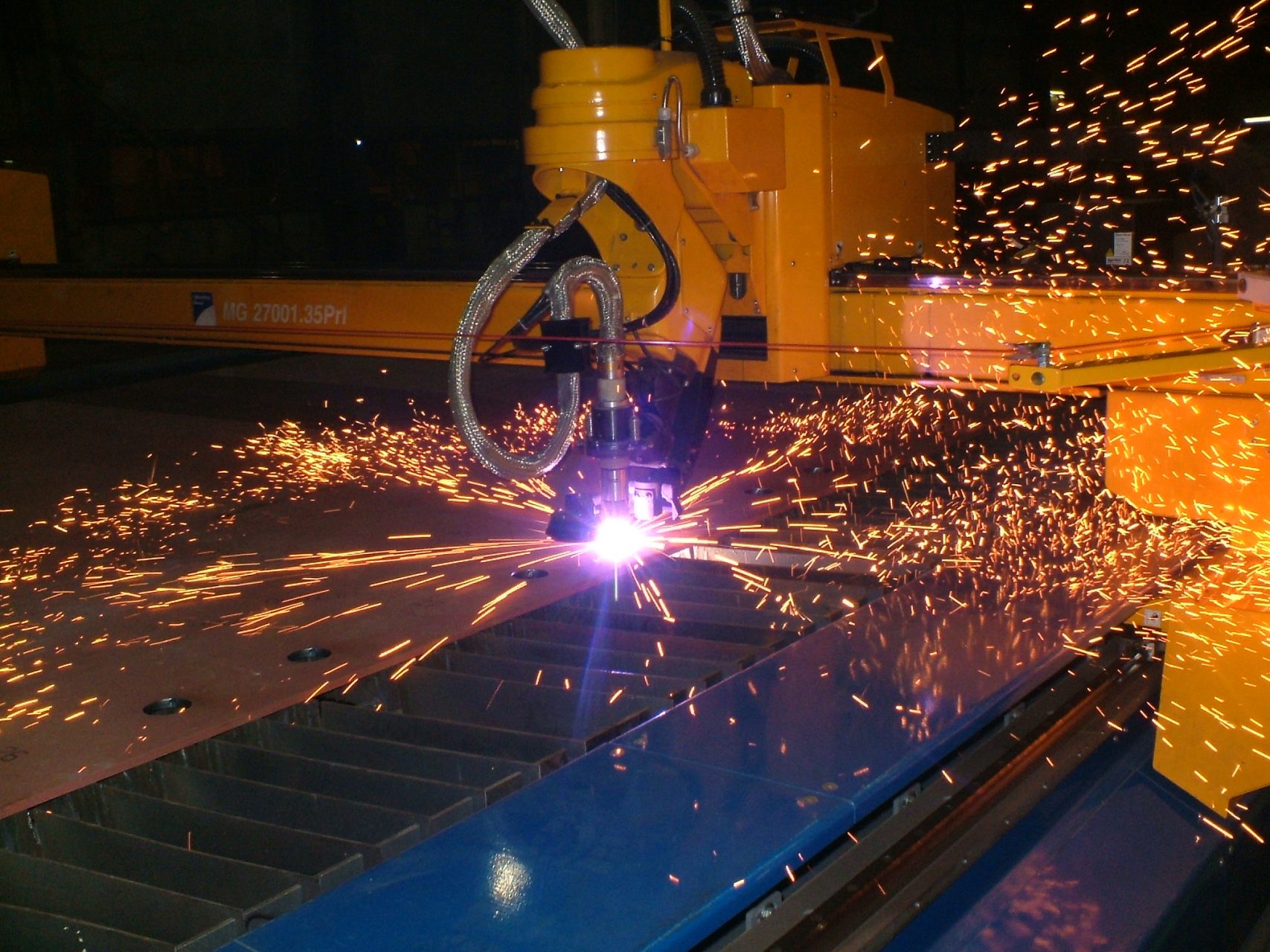
  • CNC cutting tables (plasma, laser, water jet, etc.)

For the medical manufacturer seeking a more temperature-resistant timing belt for their medical biopsy transportation system, ensuring the accuracy of the belt was the main priority. The medical biopsies would be transported long distances and the belt needed to return precisely to its starting position. The expert team at Belt Technologies recommended replacing the belt with a standard 300-series stainless steel timing belt. Our engineers were able to provide the client with a 300-series stainless steel timing belt with accurate tensioning for the temperature conditions of the customer’s automated system so that the belt positioning would remain precise and constant.

Belt Technologies can provide expert design and engineering advice for timing belt applications involving extreme temperatures. With advanced material expertise and experience, our engineers can help you choose the right grade of stainless steel to ensure your automated system will continue to function smoothly and efficiently. For more information about stainless steel timing belts for high or low temperature applications, contact Belt Technologies today.

Maximize Productivity and Quality with the Unique Properties of Stainless Steel

Many manufacturers choose stainless steel conveyor belts for the inherent benefits of the metal. These belts are ideally suited for challenging environments and operating conditions due to their resilience and versatility. The physical properties of stainless steel and its many alloys can be leveraged to do more than just move product. In this article, we explore how these inherent properties have been used to improve production efficiency across multiple manufacturing industries.

Optimize Conveyor Systems for Extreme High- or Low-Temperature Applications

Excellent thermal conductivity gives stainless steel the ability to withstand extremes in temperature as well as rapid fluctuations between temperatures. Not only can stainless steel conveyor belts reliably transport product through exceedingly high or low temperature environments, they also have the ability to uniformly transmit thermal energy. In food processing applications, stainless steel conveyor belts can be utilized as a surface on which food products are cooked or frozen. This allows for a simpler, more efficient system design that increases product throughput and quality.

Achieve Higher Product Quality for Extruded Plastics and More

The smooth, heat-resistant surface of stainless steel is optimal for casting thermoplastics. With stainless steel, there are no unwanted textures to affect the product surface as it cools. Other belt materialssuch as wire mesh, rubber, or plastictypically have seams or other surface imperfections that leave marks on products. These marks increase the rate of product loss. Stainless steel is incredibly resilient to physical damage, meaning it is not liable to develop dents or scratches over time that leave impressions on extruded materials. Because of its high resistance to heat, the belt will remain unaffected by the high temperatures of the extruded product and maintain its shape and positional accuracy throughout its operating life.

Maintain Clean-Room-Ready Conditions with Easy Cleaning and Hygienic Surfaces

Metal belts are an ideal choice for applications where cleanliness is a primary concern. Rubber, plastic, and wire mesh belts can contaminate products with undesirable smells, particles, or bacteria. Stainless steel is relatively impermeable to harmful microbes and can easily be cleaned by a wide range of methods, including high-pressure wash, high-pressure steam, or chemical cleansers. In addition, stainless steel conveyor belts do not generate particulates, do not require lubrication, and do not outgas. They are highly beneficial for maintaining clean room environments or for use in applications where contamination must be prevented on a molecular scale, such as vacuum deposition.

The versatility and durability of stainless steel belts can best be leveraged to your advantage by working with an engineer who is experienced in developing custom automation solutions. Maximize your efficiency and contact Belt Technologies today.


How to Select the Optimal Material for Your Conveyor Belt Application

At Belt Technologies, many of the conveyor belts we produce are made using stainless steel. However, there are several different grades of stainless steel to choose from, as well as specialty materials including Inconel® and Invar®. When optimizing your conveyor belt’s performance, choosing the correct material is extremely important; different applications require different materials.

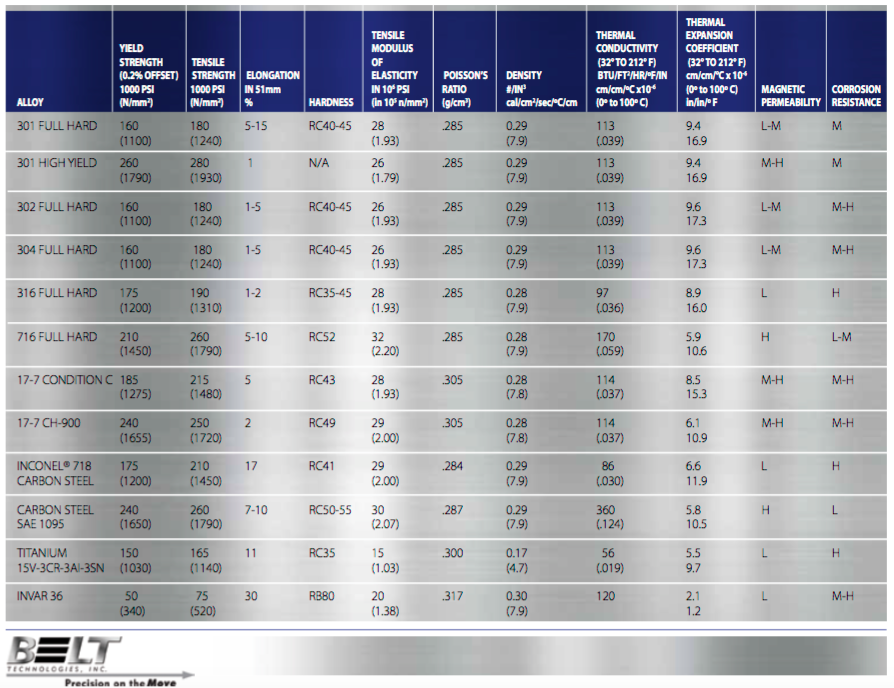
To get started, we recommend checking out our reference materials chart to understand the properties of stainless steel and other materials we use.

Matching Material Properties to Application Requirements

The first step in choosing the right material for your conveyor belt is to consider what will be required of it during service. These requirements include:

  • Strength and Durability

For many applications, rubber conveyor belts simply aren’t durable enough to get the job done. For these applications, steel conveyor belts present the perfect solution and ideal strength-to-weight ratio. Choosing a stainless steel alloy with high strength and durability allows you to produce a conveyor belt well-suited for the task. For maximum strength and durability, consider steels with a high tensile strength and yield strength such as 301HY or 17-7 CH-900.

  • Corrosion Resistance

If your conveyor belt is going to be exposed to corrosive substances such as strong cleaning chemicals, you will want to choose a material that has a high resistance to corrosion in order to ensure the longevity of your conveyor belt. For maximum corrosion resistance, consider alloys such as Titanium 15V-3CR-3AI-3SN, 316 Full Hard, or 304 FH.

  • Operating Temperature Compatibility

For most temperature ranges, stainless steel belts of any alloy will operate perfectly fine. For extreme temperature ranges, (both to the high and low extremes), you may want to consider a more suitable material with a lower thermal expansion coefficient, such as Invar® 36, Inconel®, or 17-7 CH900.

Optimizing Belt Performance with Surface Treatments

Our highly trained engineers can work with you to determine the ideal stainless steel grade for your application. Once the perfect material has been selected, you have the option to further optimize its performance with surface treatments. At Belt Technologies, we offer a variety of surface treatments and coatings including GATORCOAT®, Teflon®, silicone, hard coat anodization, urethane, and neoprene.

These surface treatments provide a number of advantages by altering the properties of the working surface of the belt. Depending on the treatment you choose, these advantages include:

  • nonstick surface treatmentIncreased wear resistance
  • Increased friction
  • Increased temperature resistance
  • Increased release properties
  • Increased lubrication and abrasion resistance
  • Increased protection for delicate parts
  • Increased hardness
  • Increased stain resistance

Surface treatments give you even more flexibility in designing a belt to meet the needs of your application. Since they are able to amplify certain desired characteristics, these surface treatments give you the ability to design the perfect conveyor belt. For a complete guide to the various surface treatments we offer, check out this guide to surface treatments.

Get Expert Guidance from an Experienced Engineering Team

Depending on your intended application, certain material properties can work together to make a conveyor belt that is ideal for your specific application. For example, a stainless steel with high thermal conductivity and a surface treatment with improved release properties would allow you to have a conveyor belt that cooks food as it is transported.

When determining how a material’s properties will come together to provide you the most functional belt possible, we recommend you speak to one of the engineers at Belt Technologies. These experts have years of experience in designing conveyor belts for a wide range of applications and will help you choose the material best suited to your needs.

If you would like to learn more about the various materials and surface treatments we offer and then discuss the best options for your project, contact us today.

Food Safety Test Kits Transition to Automated Production

[et_pb_section fb_built=”1″ admin_label=”section” _builder_version=”3.22″][et_pb_row admin_label=”row” _builder_version=”3.25″ background_size=”initial” background_position=”top_left” background_repeat=”repeat”][et_pb_column type=”4_4″ _builder_version=”3.25″ custom_padding=”|||” custom_padding__hover=”|||”][et_pb_text admin_label=”Text” _builder_version=”3.27.4″ background_size=”initial” background_position=”top_left” background_repeat=”repeat” use_border_color=”off” border_color=”#ffffff” border_style=”solid”]http://belttechnologiesinc.wistia.com/medias/nmlvr23jxt?embedType=async&videoFoam=true&videoWidth=640
[/et_pb_text][/et_pb_column][/et_pb_row][/et_pb_section]

Back on Track: Belt Tracking Basics for Endless Metal Belts

Belt tracking refers to the methods used to keep a conveyor belt properly aligned and centered during linear motion. A belt tracking left or right is gradually moving in that direction. Conveyor belts must be centered on their tracks to achieve accurate and repeatable results, making belt tracking an important part of automated conveyor system design.

Basic Belt Tracking and Forced Belt Tracking Methods

Belt tracking is necessary for keeping your equipment running smoothly and for maintaining optimal production. There are several options for ensuring your conveyor belt stays on track, whether you are designing a new conveyor or optimizing an existing system.

Conventional crowned friction drive pulleys are typically used with fabric belts and are not recommended for metal belts. If crowned pulleys must be used, it must be in conjunction with axis adjustment due to the fact that crowned pulleys will not self-center a metal belt. They work best with thin metal belts, which are able to conform to the crowned face of the pulley. Increasing tension can help achieve proper conformity between the belt and the face of the pulley. However, too much tension can permanently deform the belt. The optimal geometry for a crowned friction drive pulley is a full radius, with a chord height no greater than the thickness of the belt that is running on the pulley

v guide belt tracking
V-Guide Forced Belt Tracking

Generally, the belt will track in the direction of high tension to low tension relative to its width. Changing the belt edge tensions in a controlled manner can “steer” the belt. This method is referred to as pulley axis adjustment. The technique can also be used with flat-faced and crowned pulleys. Typically, the idler pulley is the only adjustable pulley; the drive pulley is difficult to adjust, as it interfaces with motors or other power transmission mechanisms.

Pulley axis adjustment generally applies to belts without timing features (e.g., perforations, which can be used to force the belt to stay on track). Using physical features such as perforations, cam followers, or glass-filled TeflonⓇ flanges to keep a belt on track is known as “forced belt tracking” and is used in cases where straightforward axis adjustment is not enough to eliminate tracking issues. Belt Technologies offers V-guide force-tracked belts with our custom two-element belt solution called the Metrak system, which can be utilized when simple axis adjustments cannot completely eliminate improper tracking.

isp pulley
Independent Steerable Pulley

Belt Technologies also offers a proprietary system called the Independently Steerable Pulley (ISP), which can be adjusted with the turn of a knob to track the belt left or right until it is perfectly centered. The ISP system works well in two-pulley conveyor systems (in which the ISP is the idler or drive pulley), systems with multiple idler pulleys on a common shaft, or complex systems with serpentine or other complex paths. The ISP steering system was first implemented as a way to change tension relationships across the width of the belt by adjusting the relative angle of the pulley to the belt.

Custom Belt Tracking Solutions for Your Automated Conveyor System

Belt Technologies can also offer customers guidance to fix tracking issues in existing automated metal belt conveyor systems. When troubleshooting belt tracking issues, it is important to fully understand the cause of the tracking problem. Only then can the proper adjustments be made. This can be achieved with simple checks, such as:

  • Is the belt frame square?
  • Is the belt aligned straight?
  • Has any product or debris built up on the belt track?
  • Is the ratio between pulley diameter and belt thickness correct?
  • Is the temperature correctly calculated for the type of belt material used?
  • Is the load on the belt correctly calculated/factored in?

Once the cause of the issue is determined, it is important to make adjustments one at a time and then allow the belt to run through several cycles to guarantee the adjustments are properly incorporated. Belt Technologies has the knowledge and skills to correct most tracking issues for any given conveyor system.

For belt tracking design feedback or to fix belt tracking issues on existing conveyor systems, contact the experts at Belt Technologies today.

Expanded In-House Laser Capabilities to Include Custom Laser Cutting and Perforation

Since early 2016, Belt Technologies, Inc. has expanded our in-house capabilities to include custom laser cutting and perforation services. The laser cutting and custom laser-cut perforation patterns of metal conveyor belts, timing belts, and drive tapes can now be handled at the Belt facility itself. The elimination of secondary shops allows for cost-effective production and the reduction of overall turnaround time.

Laser Cutting Is Precise, Efficient, and Cost-Effective

Laser cutting is an advantageous method for cutting, contouring, and perforating metal drive tapes, timing belts, and conveyor belts. Compared to other methods of cutting and perforating, lasers are low in impact and high in precision. The benefits of laser cutting include:

  • cnc laser cuttingClean, burr-free, and precise edges
  • Low thermal influence
  • Extremely fine contours and inner edges
  • No material deformation
  • The ability to cut virtually any material down to 0.003” in thickness
  • High efficiency
  • Reliable positional accuracy

Laser cutting is an ideal way to add perforations or other features to projects requiring precision, accuracy, and the utmost cleanliness of all parts and materials.

In-House Laser Cutting Services for Faster Turnaround Times

Laser cutting is faster and more efficient than high-impact methods and chemical etching. It requires no clean up and its finished products are ready to ship immediately. Multiple parts can be nested and cut into a single program and last-minute programming adjustments are easy to make. Now that laser cutting will be performed at our facility, Belt Technologies has the ability to provide these services and produce laser-cut materials faster and more affordably than ever before.

Does your metal belt or drive tape design require the clean efficiency of laser cutting and perforation? Contact Belt Technologies, Inc. today.