Belt Technologies Logo

Maintaining the Lead in a Growing Global Automation Industry

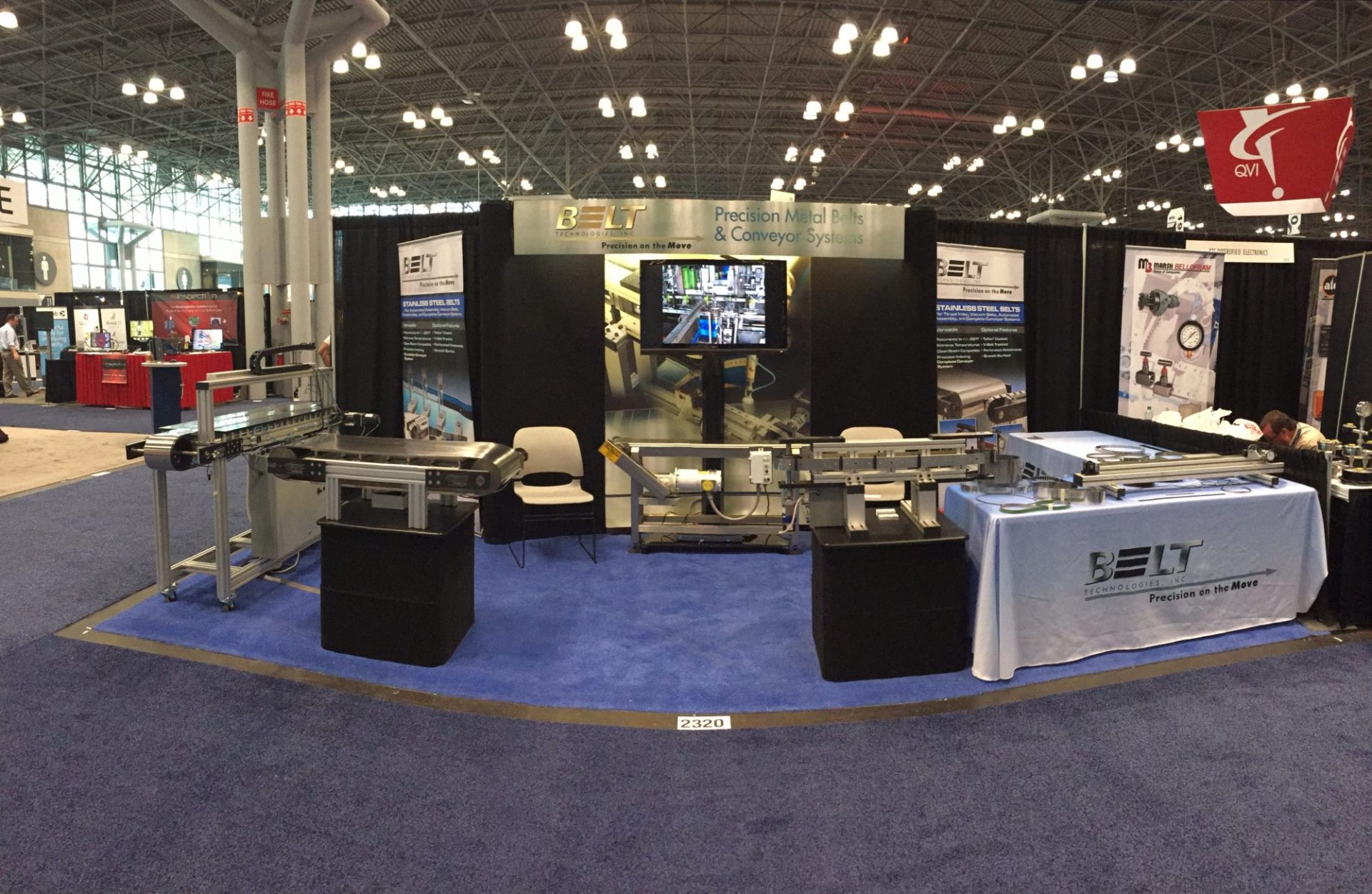
Belt Technologies is building up its global presence by connecting with customers in emerging, worldwide technological markets. A major initiative of this strategy is to meet with global partners and industry leaders at international trade shows; this helps raise awareness of our unique metal belt solutions. These trade shows allow us to share how metal belts can catalyze growth in industries like robotics, industrial automation, capital equipment production, and medical instrumentation manufacturing.

Connecting Metal Belt and Drive Tape Solutions with International Customers

To support our diverse client base, we employ a multilingual workforce capable of handling inquiries from around the world. Several of our sales engineers, customer service reps, and global distributors are able to fluently communicate with international customers in a broad range of languages, including:

  • English
  • Spanish
  • French
  • Portuguese
  • Italian
  • German
  • Dutch
  • Japanese
  • Chinese
  • Russian

Exhibiting at high–tech shows via our global partners gives Belt Technologies considerable reach and local market support.

Recent Automation and Robotics Trade Shows in Brazil and Taiwan
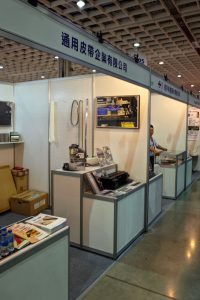
belt technologies at taiwan trade show
2016 Taiwan Automation Intelligence and Robot Show (TAIROS)

One of our most recent exhibits included “FISPAL Tecnologia,” an international trade show for the Latin American automated food and beverage industries. This year’s event was held from June 14-17 at Anhembi Show Pavilion in São Paulo. The event takes place each year in Brazil, which is a strong emerging market for industrial machinery. The inherent qualities of our stainless steel conveyor belts make them an ideal fit for the food processing industry. They do not require lubrication, are highly sanitary, and are resistant to extreme temperatures such as those necessary for the cooking or freezing of food products.

Belt Technologies also recently attended the 2016 Taiwan Automation Intelligence and Robot Show (TAIROS), which took place at the TWTC Nangang Exhibition Hall from August 31 to September 3. With its booming robotics and automation industries, Asia is a crucial market for metal belts and drive tapes. Our metal drive tapes, for example, are excellent for robotics applications. They have near-zero backlash, are virtually non-stretchable, and provide exceptionally precise positional accuracy.

Building a Global Automation and Robotics Technology Network

Our presence at trade shows is part of a deliberate effort to connect with customers around the world. We always strive to provide hands-on demonstrations, build new networks of customers and vendors, refresh existing customer contacts, and make our sales engineers available to discuss the individual needs of our customers’ applications.

Our custom, stainless steel belt conveyor systems, drive tapes, and timing belts share unique qualities that make them ideal for a versatile range of automation and robotic systems applications. By participating in international trade show exhibitions, Belt Technologies engineers are able to demonstrate the benefits of metal belts and give advice to potential clients on a global scale.

Would your automation or robotics system benefit from the precision and cleanliness of stainless steel belts and drive tapes? Contact the experts at Belt Technologies today.
3 Reasons Why Pharmaceutical OEMs Prefer Metal Belt Conveyors

The pharmaceutical market is highly competitive and requires pharmaceutical OEMs to produce equipment that guarantees quality and safety while maintaining high efficiency and low production costs. Customers demand pharmaceutical processing equipment that is fast, accurate, easy to clean, and durable. Metal belt conveyor systems are an integral tool for meeting the variety of manufacturing needs and goals for both pharmaceutical OEMs and their customers.

Reduce Contamination Risks with Stainless Steel Belts

The main advantage of a metal belt conveyor system over other materials such as rubber or plastic is cleanliness. Pharmaceutical production, much like the food industry, requires an easily sanitized environment. The strong, impermeable surface of stainless steel minimizes bacterial attachment and also resists scratches, pits, and other damages that can harbor microbial contamination. Equipment that is easily cleaned and maintained helps ensure the safety of both customers and employees. Disinfectants such as alcohols, aldehydes, peracetic acid and hydrogen peroxide are frequently used for contamination control procedures; the properties of steel allow for rigorous chemical cleaning while maintaining its integrity.

Metal Belts Withstand Challenging Environmental Conditions

A related consideration for pharmaceutical conveyor belt materials is corrosion resistance. Metal belt conveyor systems are capable of withstanding the thorough sanitization regime necessary to maintain a proper clean room. 300 series austenitic stainless steels show superior corrosion resistance while maintaining excellent strength, formability, fabricability, and ductility compared to other materials. The high chromium, nickel, and molybdenum content of these steels create a protective chromium oxide surface layer that allows them to resist nearly all forms of corrosion.

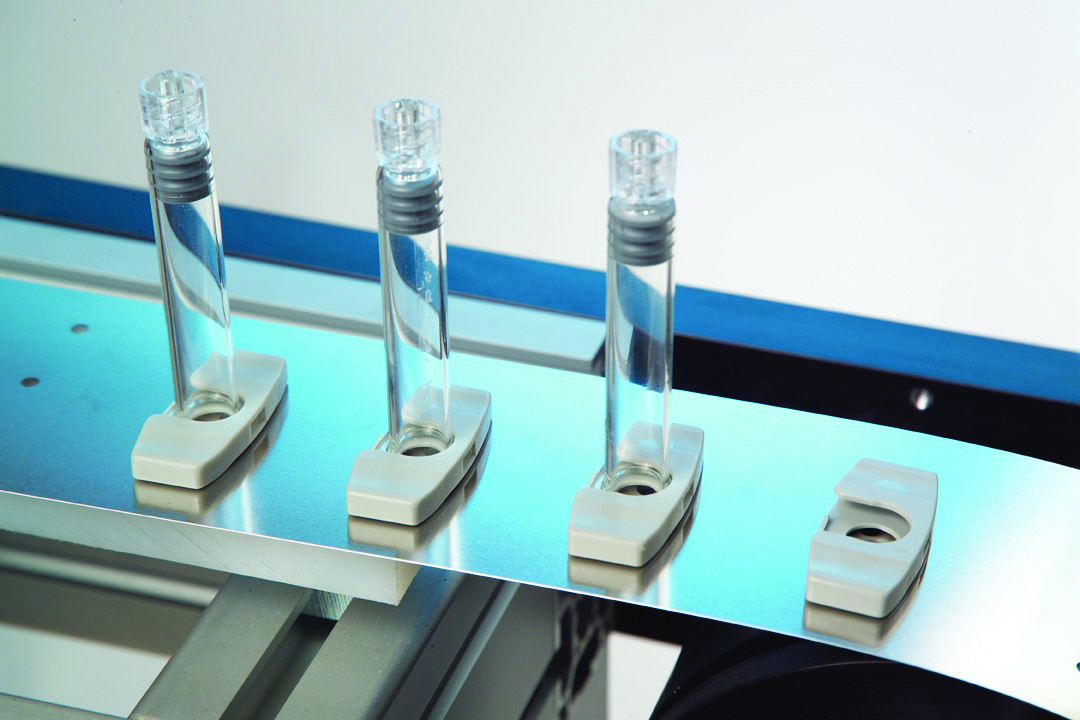
medical syringes being manufacturedIn addition to inherent corrosion resistance, metal belts withstand high- and low-temperature operating environments that rubber, plastic, or fabric belts cannot. The temperature-resistant qualities of metal belts are advantageous in heated applications such as sterilization tunnels for depyrogenation of glass vials or hot-air drying chambers for pre-coated blood filter processing. Similarly, metal belts are well-suited to low-temperature processes, including cryogenic applications, that could cause brittleness or breakage in alternative materials. When combined with CIP sanitization procedures, metal belts can reduce contamination risks while increasing efficiency by reducing required maintenance downtime.
Product Quality Relies On High Accuracy and Repeatability

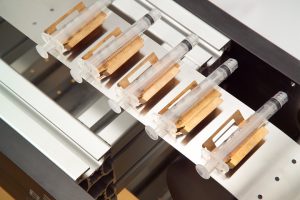
The pharmaceutical industry relies on the accuracy and repeatability of its machinery and processes to create products that will meet the needs of pharmaceutical producers. Metal belt conveyor systems offer high-precision tolerances that other materials cannot attain. Metal belts are virtually unstretchable and will maintain accuracy throughout the lifetime of the machine. A common barrier to accuracy on belt conveyor systems is micro part slipping. Due to inertia overcoming the belt friction, a part can move out of place, lowering the accuracy of the system. Metal belts allow for the use of part fixtures to create highly precise systems. Metal belt conveyor systems are highly customizable in order to meet production needs and tight tolerances.

Selecting the correct materials is a critical step in designing a conveyor system that will optimize production rates while maintaining safety. By matching the material to the application, OEMs can avoid unnecessary downtime, increase production rates, and ensure the safety of customers and employees alike.


Stainless Steel Drive Tapes for CMM Machinery and Metrology Equipment

A major OEM in the metrology and precision optical instrumentation industry recently approached Belt Technologies seeking drive tapes for its new line of coordinate measuring machines (CMMs).

The company has been incorporating stainless steel drive tapes into their machines for nearly twenty years. The metal drive tapes are used to actuate the CMM inspection cameras on the X-Y plane. Almost ready to launch its new and improved generation of CMMs, the OEM was committed to achieving a design that would exhibit highly precise positional accuracy.

Metrology Equipment Depends on High Accuracy and Precision for Effective Results

CMMs are mechanical systems designed to determine coordinate points on a workpiece and provide precise measurements of components for the purpose of design, testing, profiling, and reverse engineering. CMMs are used to verify the manufacturing processes for extremely complex equipment, including medical devices and aerospace vehicles. The manufacturers using these machines stake their reputations on producing parts and equipment to specification. In order for coordinate measuring machines to be effective, they must have reliable positional capabilities to determine accurate coordinate points on workpiece surfaces.

Drive Tapes by Belt Technologies Achieve Ultimate Positional Accuracy

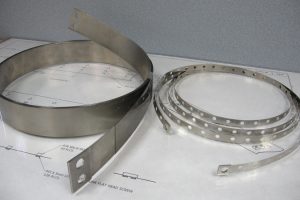
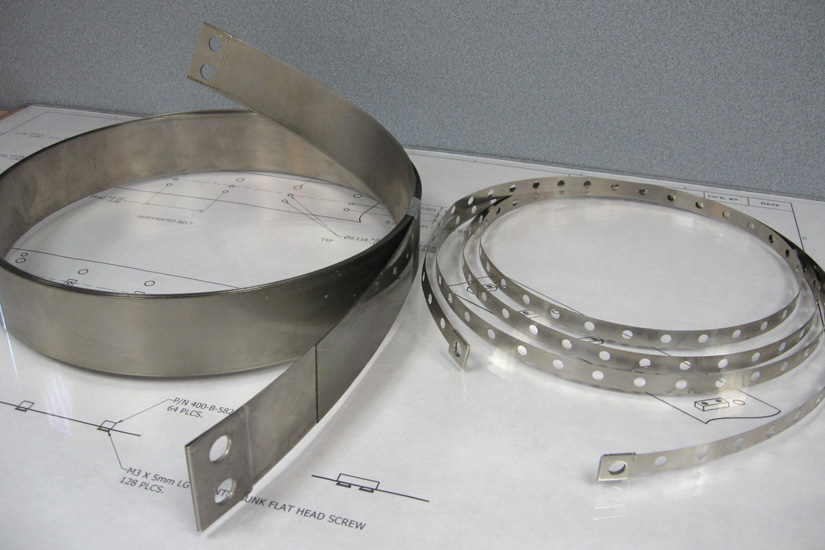
Metal drive tapes by Belt Technologies are made of the same high-quality materials as our stainless steel conveyor belts. They can be fitted with specialized attachments or perforations as needed. Stainless steel drive tapes are able to resist extreme environments and are highly sanitary. They are used for a variety of applications including:

  • linear drive tapesMetrology equipment
  • Robotics
  • Automated manufacturing equipment
  • Carriage positioning in printing and cutting applications
  • Optical element drives

Over time, motion loss and backlash of timing belts can cause inaccurate positioning and movement. Stainless steel drive tapes are virtually unstretchable and are able to perform with near-zero backlash, making them the ideal choice for metrology applications that require a high level of positional accuracy.

The client was satisfied with the operational accuracy their CMMs were able to attain with their new stainless steel drive tapes. When accuracy is paramount, OEMs trust Belt Technologies to provide custom solutions that will achieve precision results. Would your automated system design benefit from the long-lasting reliability of metal drive tapes? Contact the experts at Belt Technologies today!

Select the Ideal Surface Treatment for Your Metal Conveyor Belt

Coatings and surface treatment applications can enhance conveyor system functionality and performance by altering the surface properties of the conveyor belt.

There are many options for coating and surface treatments, including GATORCOATⓇ, neoprene rubber, and hard coatG4RX3381 anodization.  Each surface treatment and coating option exhibits unique characteristics, including thermal resistance, impact and abrasion resistance, nonstick release, and FDA approval for use in food processing and pharmaceutical applications.

Unique custom coatings can also be developed upon request, which have included copper cladding, gold plating, and diamond bonding. Belt Technologies engineers are able to provide feedback and guidance when choosing the best surface treatment for your conveyor system.

Surface Treatments for Conveyors in Hostile Environments

Stainless steel alloys have high tolerance for heat, cold, and chemical corrosion, and can further benefit from coatings which are applied to the metal belt surface. These coatings must also operate in hostile environments as they are exposed to extreme temperatures and corrosive chemicals used in product processing.

In instances where operating conditions present a highly demanding environment, selecting an appropriate surface treatment can increase service life. Inversely, coatings specified without consideration to the operating environment and application risk premature degradation, causing a decline in performance and likely necessitating early replacement.

Proper Release Ensures Product Quality and Minimizes Downtime

Surface treatments can also be applied to support optimal product quality and throughput. Coatings such as silicone, urethane, and neoprene rubber are securely bonded to a belt to alter the friction coefficient. These materialsneoprene rubber in particularare compressible; making it possible to die-cut pockets in the belt in order to safely nest and transport materials.

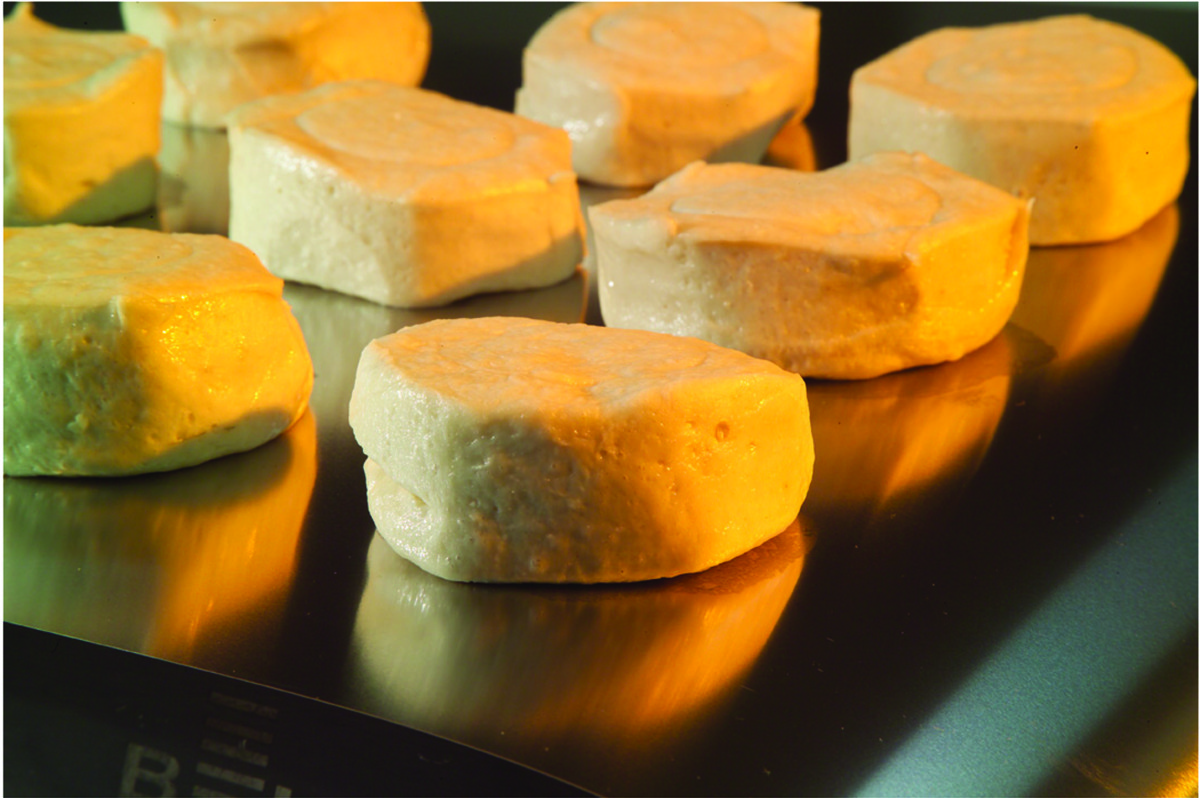
In heated applications such as food preparation or plastic extrusion, product can unintentionally bind to an untreated surface. This results in product loss and maintenance downtime. Coatings like Teflon and GATORCOATⓇ offer superior release qualities by providing a heat-resistant, nonstick surface that smoothly releases products without risking material damage or loss.

FDA Approved, Nonstick GATORCOATⓇ Outlasts Teflon

Of the many coating and surface treatment options Belt Technologies offers, one of the most resilient and popular coating options is GATORCOATⓇa proprietary three-layer system of internally reinforced metallic material with a high-BELT FP 2-14-0cure, nonstick surface and up to ten times the abrasion resistance of Teflon. GATORCOATⓇ is approved for food processing applications and is well suited to other high-temperature applications such as solar panel production or sterilization. It is resistant to household chemicals and has the ability to withstand temperatures as high as 600°F (316°C).

The durability of GATORCOATⓇ has been shown to maintain its integrity in many demanding applications.  A North
American solar panel producer that previously replaced their conveyor belts every three months due to damaged coating reported that replacement belts treated with
GATORCOATⓇ have consistently resisted damage for more than a year. The abrasion-resistant GATORCOATⓇ outlasted any previous treatment, resulting in fewer belt changes and reduced maintenance requirements.

How will your conveyor system benefit from the advantages of a surface treatment like GATORCOATⓇ? Contact our engineers today to learn more about all our coating and surface treatment options.

4 Reasons to Replace Your Wire Mesh Conveyor Belt with Solid Stainless Steel

Heat tolerance and resistance to chemical corrosion make stainless steel a popular choice for automated equipment used in cooking, sterilization, and pasteurization. Many manufacturers select wire mesh belts stainless conveyors due to their low upfront cost, however training, maintenance, inspection equipment, and frequent repair and replacement can drive real costs well above expectation, exceeding solid stainless alternatives.

Endless solid metal conveyor belts by Belt Technologies offer advantages that save manufacturers time and money. Our engineers design custom conveyor systems for each application with solid, stainless steel belts which improve operational efficiency and product quality. Replacing wire mesh with solid stainless steel belts offers a long lasting solution to the complications, expenses, and supplementary equipment required to operate and maintain wire mesh belted conveyor systems.

Reduced Maintenance Downtime for Maximum Efficiency

Mesh metal belts can often require maintenance and repair more frequently than solid metal conveyor belts. The linkages of a mesh structure provide hundreds, often thousands, of potential breakage points that need careful inspection and maintenance. The sprocket teeth of the belt must be painstakingly aligned to operate smoothly together; otherwise, individual strands of the wire mesh may become overstressed and fray or break. Stopping production to remove the belt and inspect it for damaged or broken links can add up to significant losses.

Solid stainless steel conveyor belt systems have fewer moving parts. This reduces the risk of mechanical failure, as well as downtime required for repairs and inspections. Conveyor systems by Belt Technologies are designed for easy access in both cleaned-in-place (CIP) and cleaned-out-of-place (COP) procedures, saving time on the production floor and allowing for maximum efficiency and product throughput.

Minimize the Risk of Product Contamination

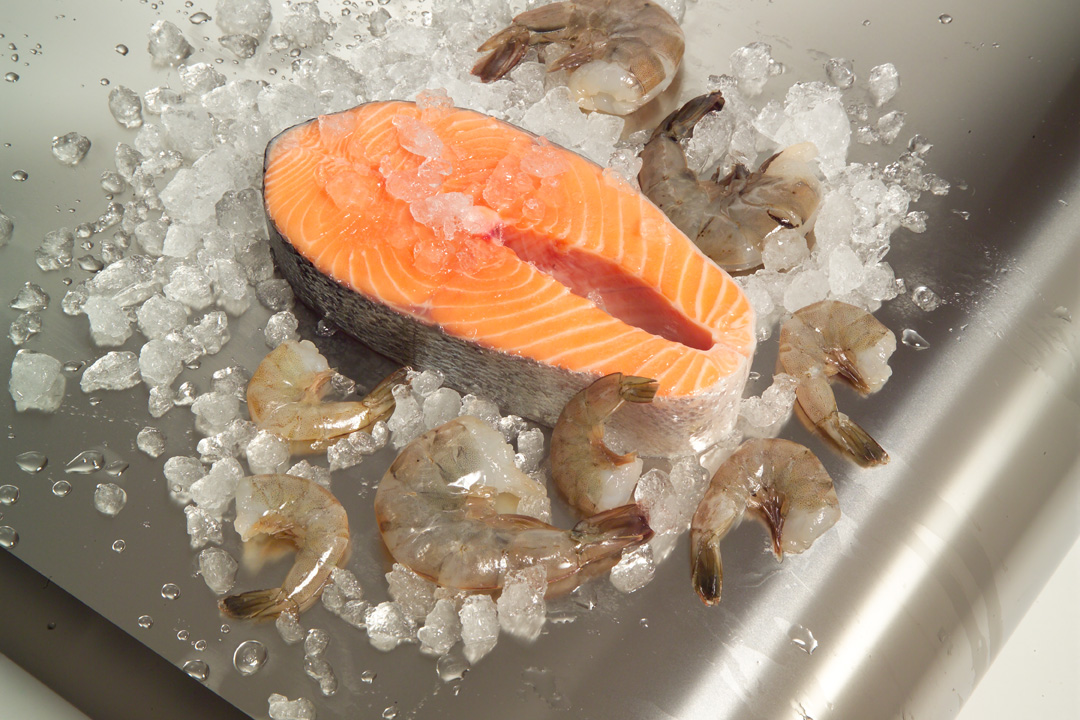
In regulated industries, such as food processing or pharmaceutical production, wire mesh belts can impose extraordinary challenges on manufacturers. Transporting certain raw foods, such as poultry and fish, requires attention to hygiene standards to prevent product contamination. Fats, salts, grease, cleaning chemicals, and other environmental contaminants can migrate along the linkages of mesh metal belts. This bacterial buildup increases the risk of infectious outbreaks among consumers, and once built up in difficult-to-reach areas, these substances are costly and time-consuming to remove.

The linkages of a mesh metal belt create additional health risks as well. Many moving parts create an increased risk of small metal pieces breaking off and contaminating product. To address this potential hazard, facility managers must employ additional safety and damage-prevention procedures involving x-rays, necessitating extra training for staff. In worst-case scenarios, products contaminated with metallic debris that is not detected on-site can end up in the hands of consumers, which may result in potential injury, as well as FDA audits, penalties and sanctions.

In contrast, solid stainless steel conveyor belts:Scientific and legal considerations regarding the benefits of usingendless stainless steel belts in food manufacturing applications, with raw meat being processed on a stainless steel conveyor belt

  • Do not fray or generate particulates.
  • Do not require lubrication.
  • Provide a flat, nonporous surface that will not harbor bacteria.
  • Are highly resistant to impacts and abrasion, preventing scratches or divots.
  • Are designed to be easily accessible, making sanitization a simple process that does not require excessive downtime.
  • Withstand intense cleaning methods, including hot pressure washing, steam pressure washing, or chemical spraying.


Superior Conveyor Belt Integrity

Tension, heat, and high-impact processing methods can stress individual wire strands, causing their links to fail. To combat this problem, some mesh belts utilize thicker gauges of wire or small die-cut components; the additional material required to reinforce the links will increase the total weight of the belt. Solid metal belts, like those offered by Belt Technologies, provide the optimal strength-to-weight ratio for most automated operations. With correct load tension, solid stainless steel belts will not stretch, providing a longer-lasting, more durable belt.

Minimal Risk of Operator Error

The difficulty of maintenance, inspection, and replacement increases proportionally to the number of small, individual parts in a belt. One of the most common causes of failure occurs when mesh metal belts are removed for cleaning or inspection and subsequently re-installed and connected incorrectly. Improper joining of the belt ends can lead to immediate breakdowns and breakages during production. If the belt is installed upside down or backwards, which happens more often than you might expect, the entire system can be damaged.

Solid belts are easy to replace, if necessary, and many routine maintenance and cleaning operations can be performed without removal of the belt, decreasing opportunities for operator error. In many scenarios, solid stainless steel belts do not need to be removed from the system for sanitization or inspection, saving hours of downtime.  

Solid stainless belts by Belt Technologies are clean and chemically inert, simple to operate, and easy to maintain. How can your conveyor system benefit from the superior advantages of solid, stainless steel belts? Contact the experts at Belt Technologies today!

Conveyor System Design for Extreme High- and Low-Temperature Applications

When designing conveyor systems for applications involving extreme temperatures, special consideration must be given to the belt materials, the benefits of coating options, the feasibility of maintenance, and even the materials used for pulleys and tracking guides. Belt Technologies has the knowledge and experience to help you choose the right materials for your high- or low-temperature application.

Designing Conveyor Systems for High- and Low-Temperature Applications

Neoprene, rubber, and other common conveyor belt materials can be unsafe to use in extremely high or low temperatures. Neoprene, for example, can withstand temperatures only as high as 200℉. If temperatures exceed this threshold, the material will begin to exhibit signs of thermal decomposition, which include melting and the release of irritating gases. Conversely, temperatures below 0℉ will cause neoprene belts to harden until they are nonfunctional.

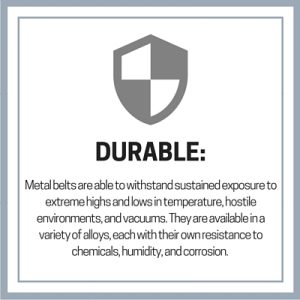
Stainless steel, however, has established itself as a durable, versatile, and sanitary conveyor belt material able to withstand a wide range of extreme temperatures. Various stainless steel alloys exist that will maximize a conveyor belt’s ability to function in higher or lower operating temperatures. Belt Technologies also offers a wide range of belt-coating options that can fulfill the unique requirements of a given system.

Coatings include but are not limited to:

conveyor system design extreme temperature

High-Temperature Conveyor System Design

conveyor system design extreme temperature
Activities like cooking or sterilization require a conveyor belt that will resist warping at high temperatures.

For extremely high temperature applications, the effect of thermal expansion on the system is an important factor that must be mitigated. During operation, the equipment will likely begin at a relatively cool ambient temperature and then be brought up to the heat intensity required to cook, solder, or otherwise process the product being transported. The belt must then be able to transition back down to an ambient temperature, or in some cases, down to a freezing environment. If unaccounted for, the effect of expansion and contraction in the system can have a negative impact on belt timing, tracking, tension, and surface flatness.

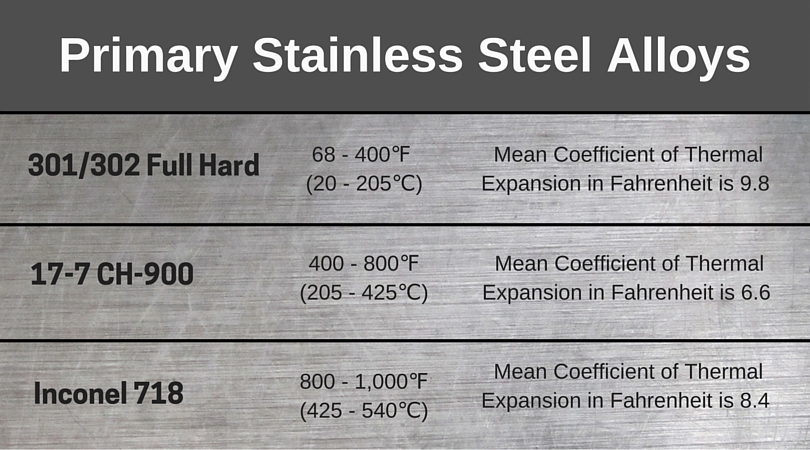
Material selection for the conveyor system will depend on the level of heat the belt will be expected to withstand. Some systems, such as solar panel stringer equipment, will be expected to endure temperatures exceeding 700℉. There are many different alloy compositions of stainless steel that have different coefficients of thermal expansion. Belt Technologies engineers can help you choose the right alloy for your application.


Activities like cooking or sterilization require a conveyor belt that will resist warping at high temperatures.

Various coatings or surface treatments, such as GATORCOAT®, can be applied to maximize a belt’s resistance to high temperatures while maintaining optimum release qualities. This facilitates product release from the belt surface.

Any metal exposed to extremely high temperatures will eventually deform, warp, or expand. The engineers at Belt Technologies can assist in choosing the right alloy to achieve optimal belt performance while minimizing deformations. This allows the system to operate for the maximum lifespan of the conveyor belt while requiring minimal downtime for repairs or maintenance. Typically, Belt engineers will recommend stainless steel alloy 17-7 CH-900 due to its very low thermal expansion coefficient, which enables it to endure high temperatures. When temperatures are very high and the warping of the material must be kept at a minimum, other options may include Inconel or Invar alloys

Belt engineers will help you design a conveyor system that accounts for every aspect of the high-temperature system, including expansion joints, fasteners, finishes, all while assuring easy cleaning and maintenance.

Low-Temperature Conveyor System Design

Low-temperature conveyor system applications include the transportation of frozen foods such as meat, fish, ice cream, and some pharmaceuticals that require refrigeration. These systems may require temperatures as low as –25℉. With exceedingly low temperatures, the risk of brittleness in the belt material becomes a major concern. Choosing the right alloy and belt thickness can minimize stiffness in the conveyor belt and prevent breakage.

conveyor system design extreme temperature
Low temperature applications, such as freezing processed foods, require materials that will not seize up or become brittle when exposed to extreme cold.

At low temperatures, the impact resistance of system components and the viscosity of the product may introduce unique challenges. Lubricants can thicken and freeze, causing equipment to seize. Stainless steel conveyor belts require no lubrication. Belt Technologies engineers can work with you to design a system that will withstand cold environments effectively.

Maintenance is another factor that should be taken into account when dealing with exceedingly cold environments such as refrigeration units. Unexpected shutdowns can be costly, requiring certain products to be maintained at a freezing temperatures to prevent unnecessary loss. However, performing maintenance in refrigerated environments poses a significant risk to employee health and safety. Belt Technologies manufactures low temperature-resistant conveyor systems that have been designed for quick changeout and sanitization; many maintenance tasks can be performed outside of the freezer whenever possible.

Summary

Whether you are seeking to design a conveyor system for exceedingly high temperatures, freezing temperatures, or a combination of both, Belt Technologies engineers have the knowledge and experience to help. Solid, stainless steel conveyors are available in alloys that provide the optimal range of temperature resistance for any application. Belt performance can be further enhanced with a variety of surface treatments for high-quality product handling. Contact the experts today for comprehensive guidance in designing the perfect high- or low-temperature conveyor system for your application.

Design Considerations Checklist for Metal Conveyor Belt Systems in Food Processing

food processing metal belt conveyor system design checklistThe diversity and complexity of the food processing industry can make designing the ideal food processing system overwhelming. Many factorsincluding the physical properties of the food being handled, the methods by which the food will be processed, and the sanitation methods used to prevent the spread of diseasewill have an effect on system design.

Belt Technologies, Inc. has an experienced team of engineers who are familiar with the diverse range of requirements for food processing conveyor systems. We have organized the key considerations for designing an automated food processing system into a simple checklist. The list has been designed to help facility managers and equipment-purchasing agents make informed decisions that will result in a system that provides maximum throughput without sacrificing quality or production time.

Consider the Specific Qualities of the Food Being Processed

The type of food being transported and its physical characteristics will strongly influence food processing conveyor system design. For example, food products that will be cut or diced on the belt require a solid surface that will not chip or scratch, which rules out rubber, plastic, and wire or mesh belts as viable material options. Other processes, such as the application of frosting to prepackaged cupcakes, require gentle handling and precise positioning to prepare. Belt Technologies can design stainless steel conveyor belts with custom attachments and timing pulleys to ensure accurate and repeatable product positioning.

Also consider how the food will need to be processed. Will it be cooked, cooled, frozen, or pasteurized on the conveyor belt? Some conveyor belt materials, such as rubber and plastic, have a low tolerance for extreme temperatures. They can warp over time or fracture if temperatures are too high or the transition between temperatures is too drastic. Stainless steel, however, is highly resistant to high and low temperatures and can easily transport food products through cooking and freezing processes.

Raw consumables, like meats, carry a high risk for bacterial contamination and therefore require special design considerations. Any belt carrying these products must be easy to sanitize to reliably prevent the spread of contaminants. Studies have shown that contagens, such as Salmonella, attach more easily to plastic and rubber than to stainless steel. Mesh metal belts may be made of stainless steel, but they also have thousands of grooves, linkages, and crevices where bacteria can hide ; this makes sanitation a challenge that can lead to costly production downtime. Solid stainless steel metal belts offer no safe haven for bacteria and are able to withstand cleaning methods that would corrode weaker belt materials.

Solid Metal Conveyor Belts Have Unique Qualities that Can Be Leveraged for Optimum Performance

Stainless steel metal belt conveyor systems offer a variety of benefits that make them a simple and obvious choice for food processing facilities. Stainless steel is a versatile metal that is highly resistant to corrosion and temperature extremes. Its high thermal conductivity gives stainless steel the ability to evenly transmit heat, which makes stainless steel conveyor belts a reliable choice for processes in which food is cooked on the belt itself. A variety of alloys are available that can maximize the belt’s ability to withstand extreme temperatures, if necessary.

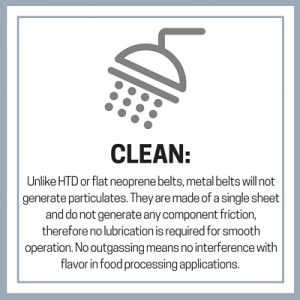
Unlike plastic and rubber conveyor belts, stainless steel belts do not outgas, do not require lubrication, and do not generate particulates. This helps maintain the desired flavor of food products and greatly reduces the risk of contamination by foreign particles. Mesh metal belts may lose linkages or broken wire in the products; they also provide crevices in which bacteria and other particulates can collect.

Germs and bacteria do not have affinity for the smooth surface of stainless steel metal belts, making them more sanitary than other belt materials. Because they are able to withstand corrosive chemicals and high temperatures, stainless steel conveyor systems can be cleaned via a variety of cost-effective methods, including chemicals, high-pressure washing, and high-pressure steaming. Belt Technologies, Inc. designs metal conveyor systems that are easy to access and sanitize. This minimizes downtime and maximizes product throughput with minimal risk to product quality and safety.

Belt Technologies engineers will also ensure your food processing conveyor system will be designed to last. Our metal conveyor belts are built to minimize or eliminate reverse bends and ensure the maximum lifespan of the belt; this saves facility managers valuable time and labor on maintenance.

Environmental Conditions Can Affect Metal Conveyor System Design

The environment in which the system will be installed plays an important role in the design process as well. Food processing conveyors should be built so that surfaces can quickly and easily be exposed for cleaning, maintenance, and inspection. Whether the system is made to be cleaned in or out of place depends on the transport and processing needs of the food product as well as the area around the belt itself. Belt Technologies designs belts that consider both facility and function.

The size and shape of the space are not the only factors to keep in mind. Is the facility subject to controlled temperatures? Will the food preparation processes generate excess moisture that may collect in the system and cause corrosion? Are there any chemicals in use that need to be accounted for? We can assist in choosing the right food processing materials to suit your food processing needs.

Ensure Your Automated Food Processing Conveyor System Aligns with Current Quality Standards

Food processing is one of the most strictly monitored industries in terms of safety and quality. As part of the Food Safety Modernization Act (FSMA), the FDA recently released a set of updated food processing standards designed to prevent contamination and the spread of disease in the food industry. These new regulations focus on the initial design of food processing systems as well as their adherence to cleanliness standards.

Stainless steel is inherently more sanitary than other conveyor belt material options, which makes adherence to FDA standards much easier. The engineers at Belt Technologies will ensure that your food processing conveyor system complies with the strict specifications of the updated FSMA as well as the existing regulations put in place by the FDA.

Whether you are seeking an entirely new food processing conveyor system or to upgrade an existing system for increased safety and product quality, Belt Technologies is able to help. Our comprehensive checklist will allow you to review the factors that will have the most impact on the design of your automated food processing conveyor system.

food processing metal belt conveyor system design checklist

Perforated Metal Belts for Vacuum Conveyors: Patterns, Methods, and Design Considerations

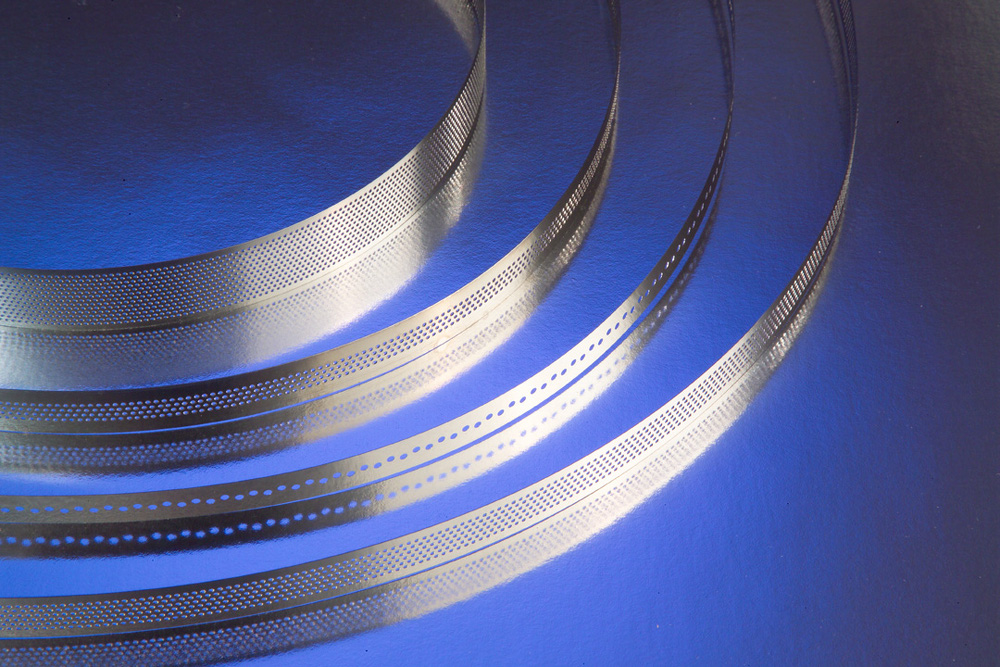
Belt Technologies has the ability to produce endless, stainless steel metal conveyor belts for use in vacuum suction conveyor systems with sophisticated methods of perforation. Perforations in the belt allow air to be drawn through the vacuum plenum of the conveyor; creating the suction that holds product materials in place.

Applications for Perforated Metal Belt Vacuum Conveyors

Vacuum conveyor belts can be found in a variety of industries, including those used in solar panel production, printing facilities, and clean room environments. Conveyor systems where changes in elevation may affect product placement  can employ vacuum belts to hold light parts in place. They can even be used in situations where parts are conveyed upside down.

The engineers at Belt Technologies are able to design perforated metal conveyor belts for use in vacuum conveyor systems based on customer specifications and product requirements. Our team also has the knowledge and experience to provide design feedback to ensure that the perforated metal belts will achieve highly precise positioning and repeatability.

Precision Perforation Methods

Poor perforation methods and design can damage the structural integrity of metal conveyor belts. This perforated-metal-beltsshortens the lifespan of the belts and costs manufacturers time and money in product volume loss each time the belts have to be replaced.
We have a number of perforation methods available; two of the most common are laser cutting and chemical etching. Our engineers choose the most practical method of perforation for each project based on pattern considerations and belt dimensions. Belt Technologies has the knowledge and experience to perforate very thin metal belts (down to 0.002”) and very narrow belts (down to 0.125”) as well as thick belts (up to 0.031”) and wide belts (up to 36”). Our varied perforation methods give Belt Technologies the capability to produce a wide range of hole diameters and patterns. These methods offer a very accurate perforation with no burr.

Perforation Pattern Design Considerations

Belt engineers will work with customers to create a perforation pattern with the right configuration, diameter and pitch. Once they determine the right configuration and dimensions of the perforations, the engineers can calculate the suction required to keep the specific product to be conveyed placed within the required tolerances in the most efficient and technically feasible way.

Our engineers typically recommend that no more than 30% of the belt surface be open area. By designing perforated belts without weakening the material by minimizing the number of perforations necessary for the operation, we are able to achieve the maximum lifespan of all our perforated metal conveyor belts.

Do you have a conveyor system that requires vacuum suction to transport a product? Call the engineers at Belt Technologies and let the experts help design and fabricate a perforated metal conveyor belt that will last!

How to Achieve the Maximum Metal Belt Conveyor Lifespan

[et_pb_section fb_built=”1″ admin_label=”section” _builder_version=”3.22″][et_pb_row admin_label=”row” _builder_version=”3.25″ background_size=”initial” background_position=”top_left” background_repeat=”repeat”][et_pb_column type=”4_4″ _builder_version=”3.25″ custom_padding=”|||” custom_padding__hover=”|||”][et_pb_text admin_label=”Text” _builder_version=”3.27.4″ background_size=”initial” background_position=”top_left” background_repeat=”repeat” use_border_color=”off” border_color=”#ffffff” border_style=”solid”]Metal belt conveyor systems are a durable, long-lasting choice for automated manufacturing and processing facilities. To get the most out of your metal belts, there are a few design considerations to keep in mind; these will help prevent unnecessary wear and tear and ensure that your belts have the longest lives possible.

Design Considerations to Keep in Mind Before You Install

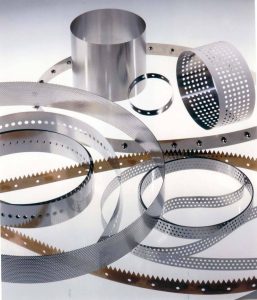
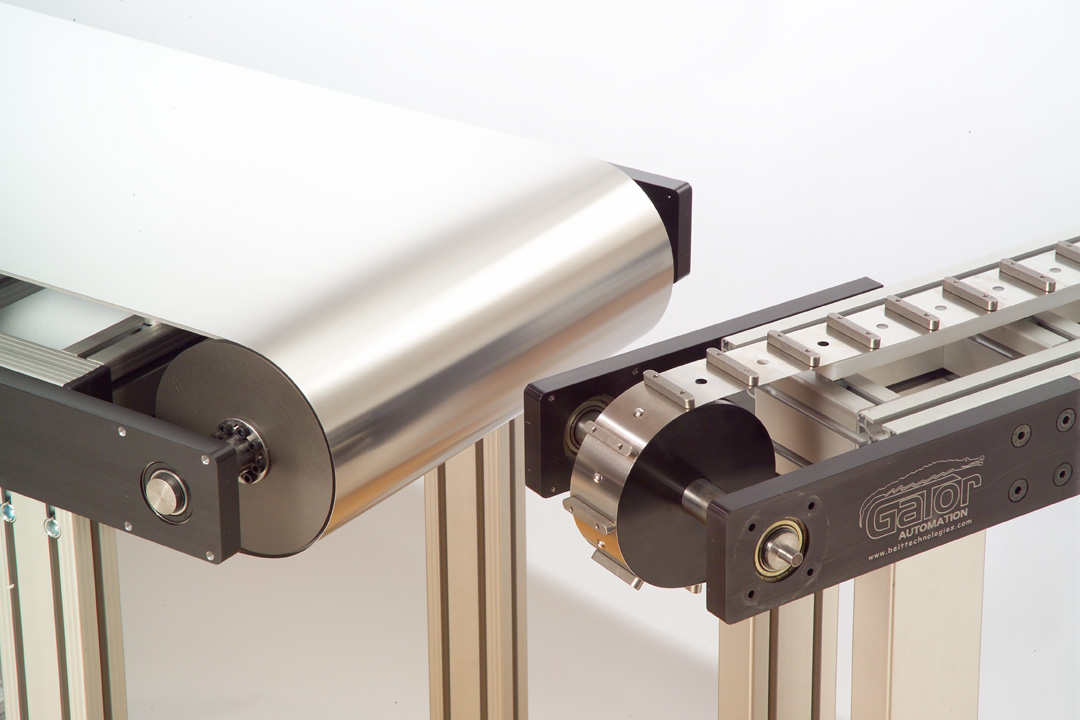
The most unexpected difference between metal belts and conventional conveyor belt types is the ratio between pulley diameter and belt thickness that must be maintained. While metal belts are typically made of stainless steel, pulleys can be manufactured from stainless steel, aluminum, or plastic, depending on the design specifications. Most metal belt pulleys are either round stock, I-beam, or capped tube and can be designed with drive lug timing pockets, relief channels, conventional timing teeth, or Belt Technologies’ patented ball bearing timing teeth. For metal belts to perform as well as they can, it is imperative to use the largest possible pulley diameter in relation to the thickness of the belt. The minimum ratio that we recommend at Belt Technologies is a strictly maintained 625:1.

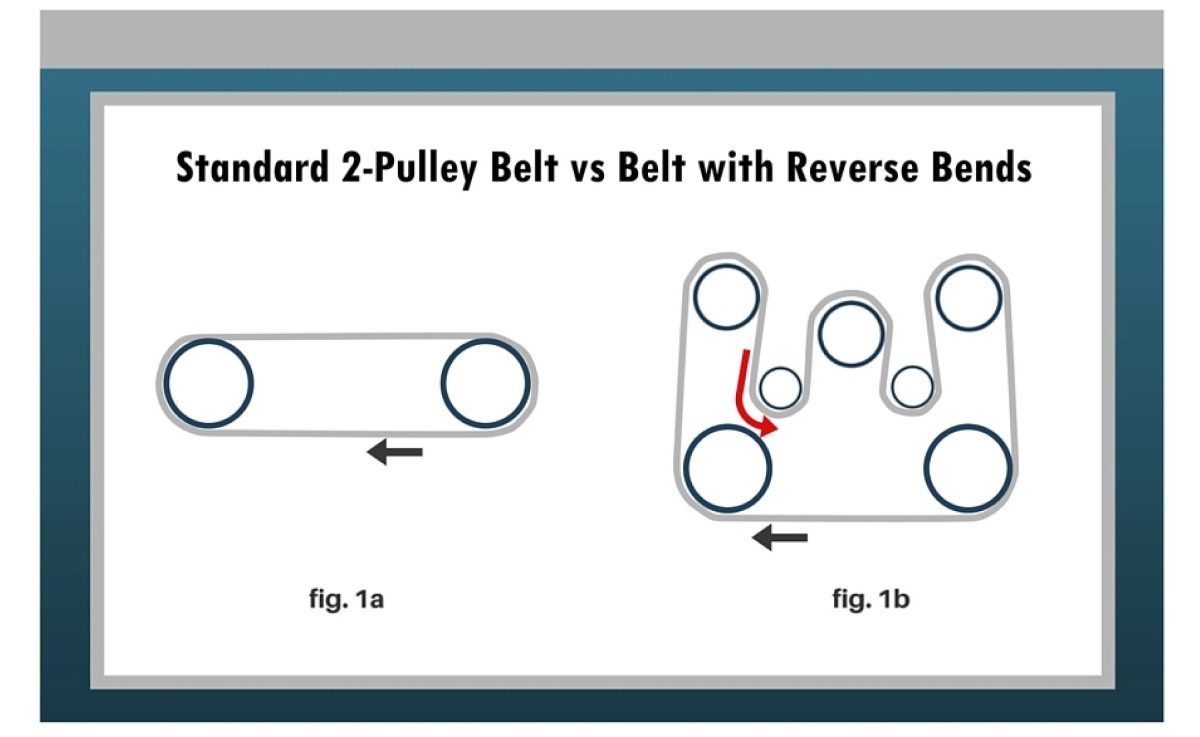
Reverse bends in metal belts should be avoided unless absolutely necessary, as they will compromise the lifespan of the belts. Along the same lines, there should be as few pulleys as possible included in the conveyor system to limit unnecessary stress on the belt.

metal belt conveyor design

Handle with Care

Although metal belts provide a higher resistance to temperature, chemical corrosion, and physical damage, they must be handled carefully during installation; particularly in the case of thinner metal belts. Damage can occur at the edges and at the weld joint of the belts during installation and maintenance.

The tension of the belt is another factor that can contribute to the lifespan of a belt. Belt tension should be kept as low as possible to improve belt life and reduce wear on the system. When tension is too high, the system frame can warp or the belt itself may fracture. Our engineers can help by providing guidelines to determine the right belt tension.

Keep It Clean

Metal belt conveyor systems should be designed with easy access to one side of the system. This reduces downtime during maintenance and sanitization procedures by making it easier to access the inner workings of the metal belt conveyor system. To prevent excessive damage to the belt, the interior and exterior diameter of the belt should be kept free of debris as much as possible.

By following these guidelines during the design phase of your metal belt conveyor system, you will maximize the lifespan of your stainless steel belt. Regular maintenance and proper cleaning should be part of your routine operations once the belt is installed. These measures will maximize the lifespan of the belt and reduce the chance of excessive damage from debris or misuse.
[/et_pb_text][et_pb_cta title=”Download the Design Guide” button_url=”/design-info/” button_text=”Click Now” admin_label=”Call To Action” _builder_version=”3.16″ background_size=”initial” background_position=”top_left” background_repeat=”repeat” use_border_color=”off” border_color=”#ffffff” border_style=”solid” button_border_radius_hover=”3″ button_letter_spacing_hover=”0″ saved_tabs=”all” button_text_size__hover_enabled=”off” button_one_text_size__hover_enabled=”off” button_two_text_size__hover_enabled=”off” button_text_color__hover_enabled=”off” button_one_text_color__hover_enabled=”off” button_two_text_color__hover_enabled=”off” button_border_width__hover_enabled=”off” button_one_border_width__hover_enabled=”off” button_two_border_width__hover_enabled=”off” button_border_color__hover_enabled=”off” button_one_border_color__hover_enabled=”off” button_two_border_color__hover_enabled=”off” button_border_radius__hover_enabled=”on” button_border_radius__hover=”3″ button_one_border_radius__hover_enabled=”off” button_two_border_radius__hover_enabled=”off” button_letter_spacing__hover_enabled=”on” button_letter_spacing__hover=”0″ button_one_letter_spacing__hover_enabled=”off” button_two_letter_spacing__hover_enabled=”off” button_bg_color__hover_enabled=”off” button_one_bg_color__hover_enabled=”off” button_two_bg_color__hover_enabled=”off”] [/et_pb_cta][/et_pb_column][/et_pb_row][/et_pb_section]

Essential Guide to Metal Conveyor System Design: What You Need to Know Before Upgrading

[et_pb_section fb_built=”1″ admin_label=”section” _builder_version=”3.22″][et_pb_row admin_label=”row” _builder_version=”3.25″ background_size=”initial” background_position=”top_left” background_repeat=”repeat”][et_pb_column type=”4_4″ _builder_version=”3.25″ custom_padding=”|||” custom_padding__hover=”|||”][et_pb_text admin_label=”Text” _builder_version=”3.27.4″ background_size=”initial” background_position=”top_left” background_repeat=”repeat” use_border_color=”off” border_color=”#ffffff” border_style=”solid”]

Our engineers have over 50 years of experience in designing, manufacturing, and installing endless metal belt conveyor systems. While every one of our customers and every one of our projects is unique, there are some common factors that affect every metal belt conveyor system design. Our team put together a few of the most important points to consider before upgrading to an endless metal belt; the following should help give you an idea of what to expect from the design process.

Define the Application and Conveyor System Requirements

It’s important to understand the unique requirements of your application. Typically, customers approach us for a metal belt because they need to:

  • Solve a problem with their current automated conveyor system.
  • Develop a new product
  • Increase manufacturing speed
  • Improve end product quality

Our engineers will work with you to determine which elements of your manufacturing process are relevant to the end design of your new, endless metal belt conveyor system. They will take into consideration factors such as available space, desired processing speed, special material handling needs, and sanitation requirements of the overall system.

Collaboration with you is a key part of our manufacturing and design process. We make it a priority to keep you informed to ensure the end result is a metal belt conveyor system that meets and exceeds your expectations for performance.

Understand the Unique Capabilities of Stainless Steel Belts

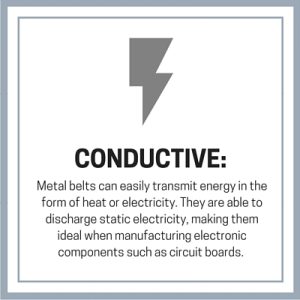
There is a long list of reasons why metal belts are a superior automated conveyor system design option. Metal belts are able to perform in environments that standard metal belts simply cannot. Stainless steel metal belts are more resistant to extreme temperatures and potential damage that may be caused by friction or sharp objects. The unique properties of metal belts make them ideal for use in clean rooms or vacuum environments. They will not transmit particulates and they discharge static electricity, making them an excellent choice for a manufacture of electronics. 

metal belt conveyor system design metal belt conveyor system design
metal belt conveyor system design

Design Considerations That Will Maximize the Lifespan of Your Belt

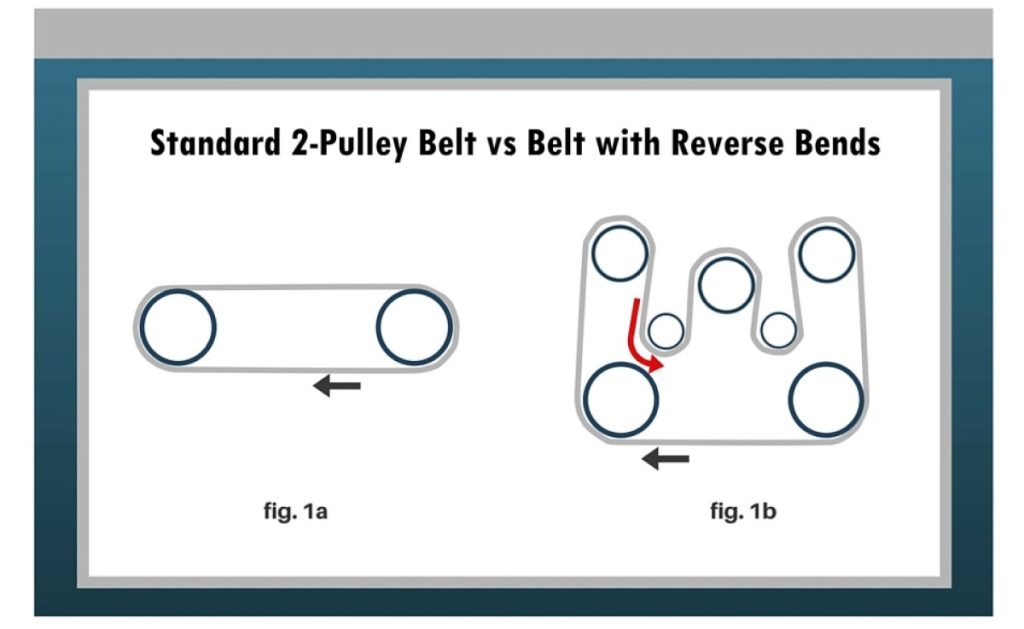
You can easily maximize the lifespan of your metal belt conveyor system when the initial design incorporates elements that will prevent unnecessary wear and tear. Metal belts require a certain pulley diameter based on belt thickness; to maximize belt life use the largest possible pulley diameter and keep the ratio between pulley diameter and belt thickness at 625:1 or greater. The number of pulleys included in the system should be kept to a minimum (fig. 1a) and reverse bends (fig. 1b) should be avoided whenever possible.

metal belt conveyor design

It is also important to apply the proper tension to the belt without over-tensioning or causing the frame to bow. Our engineers can provide you with specific guidelines for the type and style of metal belt you will be using.

Choose the Best Material for Your Automated Manufacturing Application

Our metal belts are made of stainless steel for long-lasting, durable operation. Depending on your system’s needs, pulleys may be made from stainless steel, aluminum, or plastic. There is a wide variety of surface coating options available to further specialize your metal belt to suit your specific needs. Some of the available coating options include:

  • Non-stick TeflonⓇ
  • GATORCOATⓇ
  • Urethane or neoprene
  • Silicone

Belt Technologies, Inc. is able to apply a wide range of additional surface treatments, from fluorocarbon compounds to gold plating and powdered diamond bonding. Perforations can easily be implemented to metal belt designs. Precision perforations are made mechanically or with other non-impact methods for timing, carriage positions, indexing, or vacuum conveying purposes.

Are you interested in learning more about upgrading your current automated conveyor or robotic system to an endless metal belt conveyor system? Download our comprehensive design guide or contact us to get a quote for your project today!


[/et_pb_text][et_pb_cta title=”Download the Design Guide” button_url=”/design-info/” button_text=”Click Now” admin_label=”Call To Action” _builder_version=”3.16″ background_size=”initial” background_position=”top_left” background_repeat=”repeat” use_border_color=”off” border_color=”#ffffff” border_style=”solid” button_border_radius_hover=”3″ button_letter_spacing_hover=”0″ button_text_size__hover_enabled=”off” button_one_text_size__hover_enabled=”off” button_two_text_size__hover_enabled=”off” button_text_color__hover_enabled=”off” button_one_text_color__hover_enabled=”off” button_two_text_color__hover_enabled=”off” button_border_width__hover_enabled=”off” button_one_border_width__hover_enabled=”off” button_two_border_width__hover_enabled=”off” button_border_color__hover_enabled=”off” button_one_border_color__hover_enabled=”off” button_two_border_color__hover_enabled=”off” button_border_radius__hover_enabled=”on” button_border_radius__hover=”3″ button_one_border_radius__hover_enabled=”off” button_two_border_radius__hover_enabled=”off” button_letter_spacing__hover_enabled=”on” button_letter_spacing__hover=”0″ button_one_letter_spacing__hover_enabled=”off” button_two_letter_spacing__hover_enabled=”off” button_bg_color__hover_enabled=”off” button_one_bg_color__hover_enabled=”off” button_two_bg_color__hover_enabled=”off”][/et_pb_cta][/et_pb_column][/et_pb_row][/et_pb_section]