
Belt Technologies Logo

Medical Adhesive Curing with Stainless Steel Conveyor

Our engineering team recently took on a project for a medical manufacturing application. The customer would be assembling an automated conveyor system for the production of medical adhesive. They were seeking a conveyor belt material that would be able to transport the thin plastic film through the adhesive-curing process.

Heat Curing Adhesive onto Plastic Film

To produce the medical adhesive, a thin plastic film is laid on the conveyor belt. It is then sprayed with an even coat of adhesive material. The coated plastic is then transported through a heating process to cure the adhesive.

The client required a conveyor belt with limited deviation in thickness and the ability to transport the plastic film quickly and accurately. Because this was a medical application, the belt needed to be extremely clean to operate in order to prevent particulates or foreign particles from adhering to or contaminating the adhesive. Curing the adhesive to the plastic film requires the belt material to be able to withstand temperatures around 200°F continuously.

Highly Hygienic Stainless Steel Is Perfect for Medical Applications

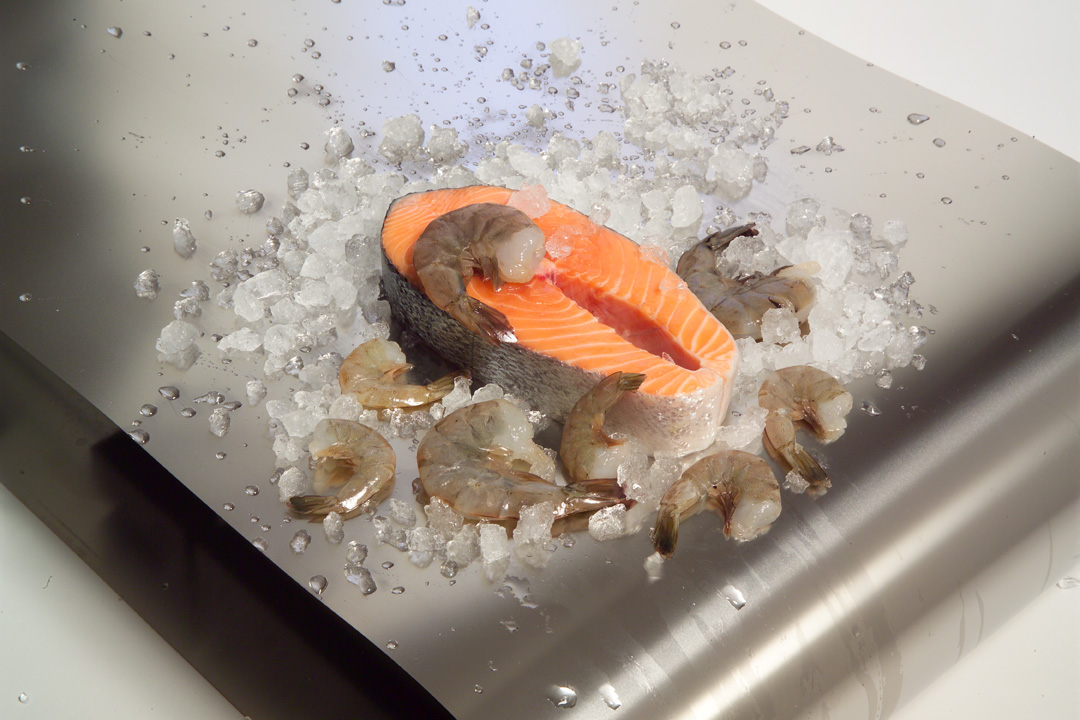
Stainless steel is an ideal choice for medical and pharmaceutical applications due to its unique physical properties. The smooth, impermeable surface of a stainless steel conveyor belt is highly resistant to bacteria and it does not require lubrication to operate. Additionally, metal conveyor belts do not outgas or generate particulates, which minimizes any risk of contamination to medical products being transported. A high resistance to corrosion enables stainless steel belts to withstand virtually any cleaning method, including high-pressure wash, chemical cleansers, and high-pressure steam.

The properties of stainless steel also include a high resistance to temperature extremes. While there are many different grades of stainless steel—each able to withstand a specific range of temperaturesnearly all varieties are capable of operating in the temperatures specified by this customer.

Achieve Smooth, Reliable Operations with Metal Belt Conveyors

Belt Technologies engineers provided the customer with a solid, stainless steel conveyor belt with no deviation in thickness that would provide accurate, repeatable results. The clean, sanitary surface of the belt and the high temperature resistance of stainless steel ensures the medical adhesive will be able to cure quickly and cleanly with very little risk of contamination.

For custom metal conveyor belt solutions to automation challenges, contact the experts at Belt Technologies, Inc.
Designing Small Diameter Drive Pulleys to Achieve Linear Motion for a 3D Printer Carriage

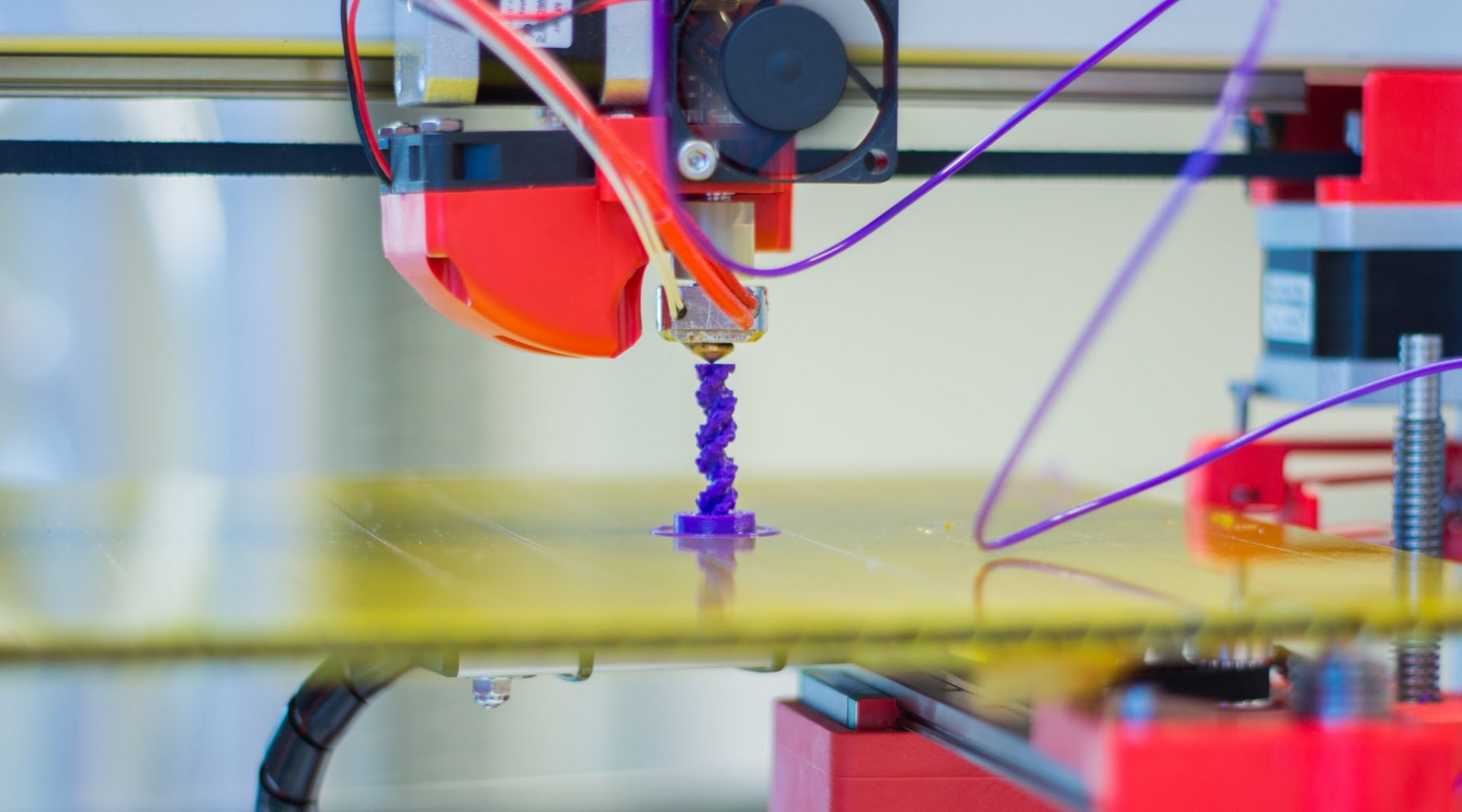
Recently, a provider of on-demand 3D printing services ranging from rapid prototyping to full-scale production contacted Belt Technologies, Inc. for help with their 3D printer. The project would be a linear application to actuate the movement of the printer carriage during the printing process in an environment with high vacuum and high temperatures.

Design Challenges: High Heat, High Tension, and High Vacuum

The printer carriage is supported by two parallel rails. During 3D printing, the printer carriage moves back and forth to apply thin layers of material to build up the part being printed. In designing a way to generate smooth, precise motion of the printer carriage, our engineers were faced with several challenges:

  • Small diameter pulleys
  • High tension/high load
  • High vacuum
  • High temperatures

Pulley diameter is an important factor that must be considered in any metal belt design. A proper ratio between pulley diameter and belt thickness must be maintained to avoid bending stresses that will reduce the belt life. The ideal pulley-diameter-to-belt-thickness ratio is 625:1. This particular application required smaller-than-average pulley diameters which had to be taken into consideration.

This application required extreme precision and resistance to high temperatures. Our engineers recommended the belt be made of 17-7CH900, a heat-treated stainless steel that provides the rigidity, temperature resistance, and cleanliness required for this kind of 3D printing application. Additionally, the pulleys were made of 304 stainless steel.

Custom Pulley Solutions for Every Application

The customer provided a detailed presentation with a system model and the required load information. With this information on hand, we were able to design and produce a drive tape and pulleys that would provide linear motion of the printer carriage. Our team of engineers supplied the customer with a perforated drive tape made of 17-7CH900 stainless steel, a friction drive pulley, and a narrow bodied timed idler pulley to reduce stress on the perforations.
The drive tape and pulleys are currently in use with excellent results. For custom stainless steel conveyor belts, drive tapes, and timing pulleys for your automated application, contact the experts at Belt Technologies, Inc.
Food Safety Test Kits Transition to Automated Production Conveyor

[et_pb_section fb_built=”1″ _builder_version=”4.9.7″ _module_preset=”default”][et_pb_row _builder_version=”4.9.7″ _module_preset=”default”][et_pb_column _builder_version=”4.9.7″ _module_preset=”default” type=”4_4″][et_pb_text _builder_version=”4.9.7″ _module_preset=”default” hover_enabled=”0″ sticky_enabled=”0″]A customer producing food safety testing kits contacted Belt Technologies, Inc. for a solution to a slow, inefficient assembly system. They were seeking engineering and design support to help transition from manual to automated production. In addition, the original conveyor system used a mesh metal belt to convey the product through a heating process and it frequently transferred heat unevenly, making product results unreliable.[/et_pb_text][et_pb_text _builder_version=”4.9.7″ _module_preset=”default” hover_enabled=”0″ sticky_enabled=”0″ admin_label=”video”]

[/et_pb_text][et_pb_text _builder_version=”4.9.7″ _module_preset=”default” hover_enabled=”0″ sticky_enabled=”0″]

Manual Assembly Processes Are Slow, Inconsistent, and Inefficient

Making the food safety test kits involved filling disposable packages with a liquid testing medium, curing the trays on a heated conveyor system, and finally packaging them in sealed blister packs—all in a clean room environment.

Formerly, the line workers filled the test kits by hand and then  manually placed them on the conveyor, where they travelled on a mesh wire belt over a heating element. The mesh belt did not transfer heat evenly, which had a detrimental effect on product quality and consistency. If the kit did not cure properly during the heating process, it could incur unexpected costs for lost product and time.

Designing and Building New Metal Belt Conveyor System for Full Automation

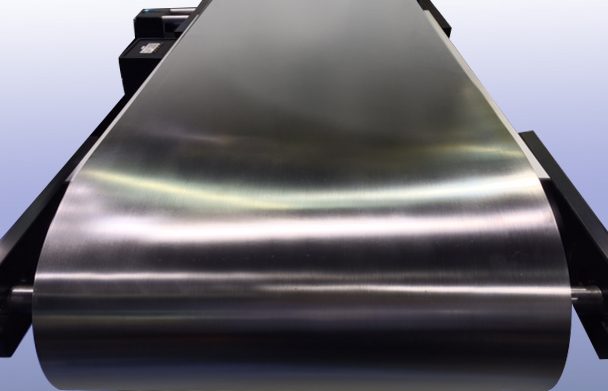
Belt Technologies suggested replacing the wire mesh belt with a conveyor made of 301 full hard stainless steel, which would result in a stronger, flatter belt surface. 301 full hard stainless steel would be able to withstand the high temperatures of the heating process; also, the superior thermal conductivity of solid stainless steel would provide better heat distribution.

The customer made a prototype model of the new conveyor system featuring a solid, endless metal belt to replace the mesh belt for improved heat transfer and reliability. Belt Technologies supplied the belts for this model. The first order for the proof of concept was for a belt, pulleys, and roll holders. The customer built their own conveyor using these components. Once the prototype had successfully proven the concept, they turned to Belt Technologies to produce a full-scale conveyor system (approximately 20 feet long). The customer provided their own heating platens for the system and Belt Technologies integrated these components into the conveyor system.

The conveyor belt for this system runs through an acrylic glass tunnel during the heating process, so it was important that the belt stayed on track. If the belt were to run off track and unnoticed through several cycles, it could potentially damage the entire system. This could be avoided with constant monitoring and adjustment, but would be a challenge and could require hiring and training new employees. Based on the suggestions of Belt Technologies engineers, they chose to force track the belt with a silicone v-guide system. Silicone is a good choice for v-guide material as it is able to withstand high-temperature environments. Forced tracking provides a long-term value by eliminating the need for manual tracking adjustments, unnecessary maintenance downtime, or additional training-related costs.

New Automated Stainless Steel Conveyor Increases Product Throughput & Quality

In addition to correcting the uneven heat transfer, the customer wanted to further automate the system by adding robotic arms to fill and place the test kits. A perforated drive tape was selected to actuate precise robotic arm movement and allowed them to fill and cure at triple the rate they achieved with hand filling and placement.

This conveyor system was easily integrated with the existing automated packaging equipment. While the test kits originally had to be hand-checked for quality (to guarantee proper curing) and then manually transferred to packaging, the kits can now seamlessly move from filling to heat curing to heat-sealing in blister packs, and then finally to packaging, for shipment.

The first conveyor was such a success, the customer was able to expand production and ordered several additional units. [/et_pb_text][/et_pb_column][/et_pb_row][/et_pb_section]

Stainless Steel Conveyor Belt for Plasma Treatment Process

A global provider of plasma treatment services for OEMs in a variety of industries—including power generation, consumer goods, and medical device production—recently contacted Belt Technologies for a conveyor belt solution. Their team was seeking a conveyor belt with a longer lifespan than the rubber belt they were originally using to move products through the plasma treatment process.

Rubber Conveyor Belts Fail in High Temperature Environments

In this particular application, thin copper components were being transported through a plasma treatment process on a toothed, rubber belt. However, the plasma treatment requires high temperatures, sometimes up to 400°C. The belt runs through a tunnel carrying a lead frame, where the products are plasma treated. Once complete, the products and belt are washed with cold water to return them to room temperature.

Extreme fluctuations in temperatures and exposure to high heat has a detrimental effect on rubber. The toothed, rubber conveyor belts would warp and break after a minimal number of cycles. The cost of replacing them, and the downtime required to make the switch each time the belts wore down, was creating an unnecessary drop in productivity.

Heat-Treated Stainless Steel Lasts Longer Under Challenging Conditions

Stainless steel has a low thermal expansion coefficient, which gives it the ability to resist extreme temperatures without warping or breaking. The customer knew they would need to switch to a metal conveyor belt to withstand the heat of the plasma treatment process but was seeking advice on the best material type for their application. Aside from a high temperature resistance, the new belt would need to be highly accurate and provide smooth, linear movement.

Trust the Experts at Belt Technologies for Custom Conveyor Belt Design Solutions

Our engineers recommended a simple solution of five solid stainless steel belts running in parallel. The belts are made from heat-treated steel (17-7CH-900), which is able to withstand temperatures as high as 425°C. The new conveyors have been in service for several months with no reported issues. With less downtime spent on replacing burnt out rubber belts, the customer is able to maximize product throughput and save money on maintenance. They are very satisfied with the smooth performance of the new stainless steel conveyors.

For customized, automated metal conveyor belt system solutions, contact the experts at Belt Technologies, Inc.
Stainless Steel Conveyor Belt Solution for Manufacturing Components with Sharp Metal Fragments

A distributor recently reached out to Belt Technologies on behalf of a small manufacturer in Europe. The manufacturer operated an automated system for punching steel and aluminum sheet metal to create components for its own customers. Once punched from the sheets, the metal pieces fell onto a conveyor belt for transportation, which is why they contacted our experts at Belt Technologies.

Inadequate Belt Materials Are Short-Lived and Require Frequent Replacement

The original conveyor belt used to transport the metal fragments was made of rubber. Unfortunately, the impact from the sharp metal fragments often damaged the easily impressionable rubber belt. Frequent cuts, tears, slices, and holes in the belt meant the belt had to be replaced too often, which cost the manufacturer time and money.

Stainless Steel Is Strong and Resilient to Physical Impact

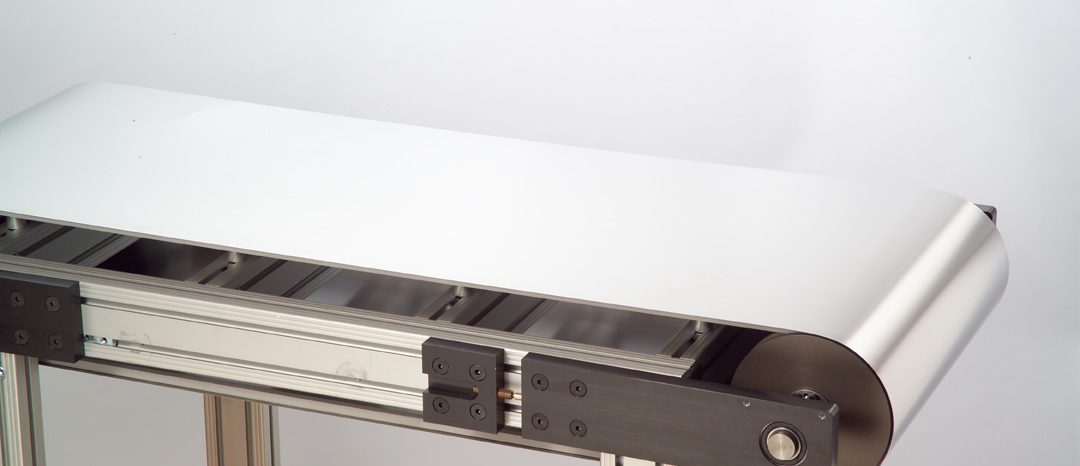
Our team worked closely with the distributor to obtain the details of the end user’s application. A stainless steel conveyor belt was clearly the best option for transporting sharp metal. Our engineers recommended a simple, solid, metal friction drive belt to catch and transport the metal fragments.

Stainless steel is robust and able to withstand impact damage and scratches. Although a stainless steel conveyor may appear more expensive in the short term, its long lifespan and resilience would help the manufacturer avoid costly replacements and downtime for maintenance.

Longer Belt Lifespan Increases Production Volume

Rubber belts are attractive for their low upfront cost, but the frequent need for replacement can become expensive. Stainless steel conveyor belts have a long lifespan, enabling manufacturers to maximize product throughput and increase overall efficiency. Our engineers strive to develop cost-effective solutions to virtually any automated system issue. For this customer, the answer was a simple switch in materials. At this point, the stainless steel belt is installed and has proven to be an excellent fix for the problem.

Would your automated manufacturing system benefit from the resilience and strength of a stainless steel conveyor belt? Contact the experts at Belt Technologies, Inc. today.
 

Metal Conveyor Belt for Automated Disentangling Device

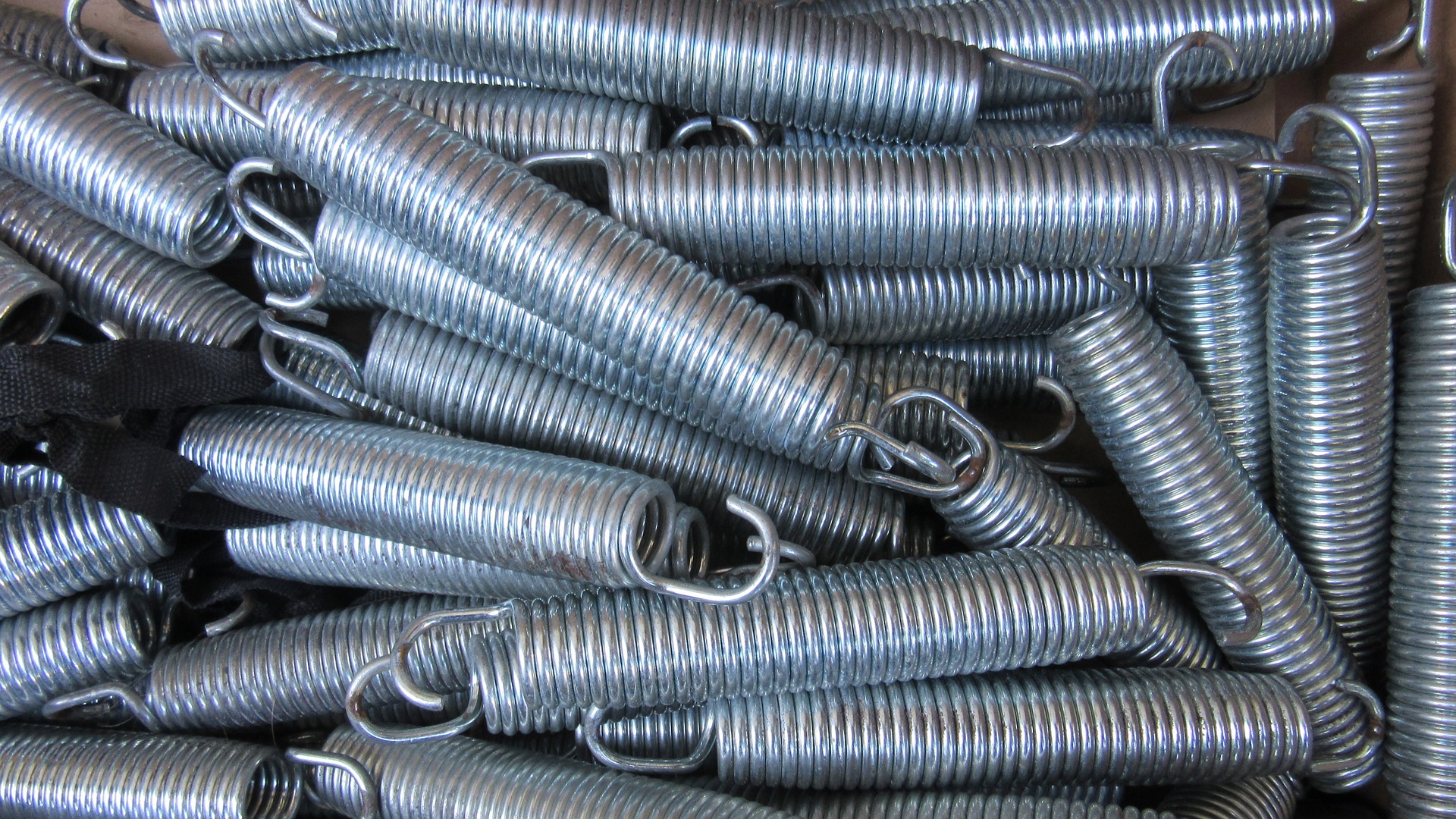
A producer of medical inhalers recently contacted Belt Technologies for help developing a solution for a manufacturing issue. The inhalers include in their design a small spring that releases a dose of the medication when actuated. The inhalers are produced in large quantities, which means the springs must be shipped in bulk. Separating the springs for automated manufacturing is exceedingly difficult. Although they had an automated disentangling device specifically for this purpose, their main priority was to increase the ease and effectiveness of routine maintenance within clean room environments.

Specialized Design Makes Maintenance and Sanitization Quicker and Easier

Belt Technologies engineers work with customers to design custom conveyor solutions that will suit their production needs with optimal results. Our team worked with the client to create a stainless steel conveyor for their automated disentangling equipment that would be easy to remove for cleaning and replacement. Past equipment was difficult to maintain, adding costly production delays whenever the belt needed to be sanitized or replaced. The new design by Belt Technologies features a special side cover and interface, which enables technicians to easily disassemble and exchange the conveyor belt within minutes.

Stainless Steel Is Ideal for Medical Equipment Manufacturing and Clean Rooms

Our stainless steel belt conveyors are the optimal material choice for automated medical manufacturing systems. The smooth surface of stainless steel is highly resistant to microbes and bacteria. These belts do not require lubrication and do not generate particulates, making them an ideal fit for clean rooms and sterile environments. In addition, because of their impressive resistance to corrosion, stainless steel is easily sanitized via a wide range of cleaning methods, including strong chemicals and high-pressure steam, if necessary.

Custom Conveyor Belt Solutions

The client is now able to perform routine sanitation and maintenance on the automated disentangling equipment with minimal delays, increasing overall product throughput and quality.

Every automated system and manufacturing operation has unique goals and priorities for a production line. At Belt Technologies, Inc., fulfilling your production needs is our priority. If your automated system could use an upgrade, contact the stainless steel experts today.

Belt Technologies Designs and Builds Custom Stainless Steel Conveyor System for Packaging System Manufacturer

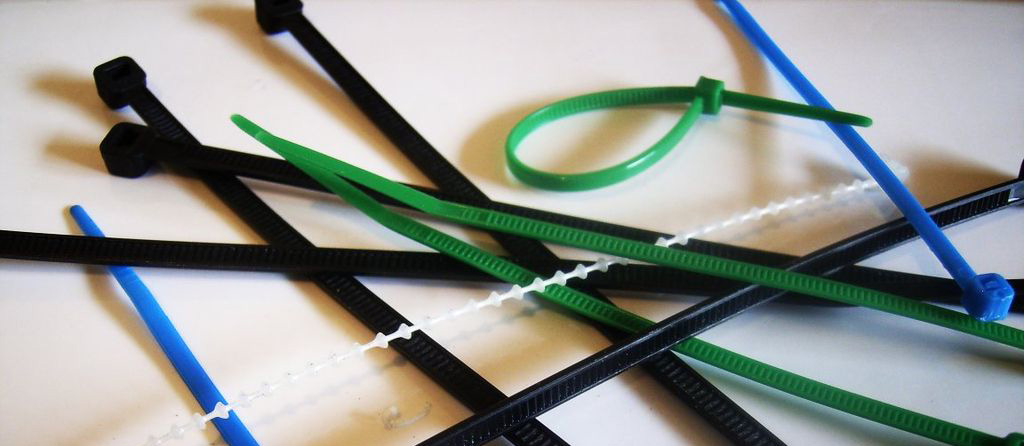
A US-based OEM specializing in the production of industrial automation and packaging systems for manufacturers recently approached Belt Technologies, Inc. The OEM needed help designing and manufacturing a metal conveyor belt that could be integrated with existing equipment as part of an automated zip tie production system. When it became clear they needed help with the metal conveyor belt, they went to the experts at Belt Technologies for design feedback and engineering support.

A Unique System Challenge Requires Input from the Metal Conveyor Belt Specialists

The purpose of the system was to transport groupings of plastic zip ties through multiple processes as part of a production line. The OEM needed a belt that could accommodate the system’s custom carriers while moving the zip ties through production.

The zip ties are first collected into the groupings, known as nests. The nests are inspected, indexed, and then passed through a laser cutter that separates the ties. The excess plastic is removed from the nested zip ties and drops through a hole in the primary belt to a secondary belt, where it is transported away for reuse or disposal. The zip ties proceed to the next stage of production.

Design Support and Collaboration Creates Customized Automation Solutions

The customer came to Belt Technologies with a strong background in engineering automated production equipment. Much of the initial design was set in place, including the customer’s design for the special carriers. Belt Technologies’ engineers worked with the customer on some of the more challenging aspects, such as deciding how the nest carriers would attach to the belt and what methods would most effectively assist belt tracking.

With the added design support from Belt Technologies, the final product was a 301-series stainless steel conveyor belt with large pockets for relief and special carrier attachments designed to hold the zip ties in place. With the double layer system for removing the excess plastic, accurate tracking was imperative and the belt is now force-tracked with V-guides to maintain alignment.

For this project, the new design was successfully integrated into the production line, which is still under construction. Although this system is still in its early stages, the customer was so satisfied with the product that they have already ordered a second, larger version to accommodate production of longer zip ties.

Your System Success Is Our Priority

The most popular question we are asked is “Why metal belts?” Many OEMs that produce equipment for industrial automation tasks will turn to Belt Technologies because our engineers understand the inherent properties and benefits of metal belts. Customers require our engineers’ support to predict how metal belts will perform under specific conditions. When one of our engineers works with a customer, the first priority is to outline the benefits of metal belts as they pertain to the specific needs and requirements of the application.

Could your automated system design benefit from the experience of dedicated metal conveyor belt engineers? Contact the experts at Belt Technologies, Inc. today.
Perforated Metal Conveyor Belts for Transporting Glass Through a Vacuum Deposition Process

Belt Technologies, Inc. was recently contacted by a producer of high-end optical glass filters. The customer was replacing an older automated system with an entirely new machine; it needed to upgrade its conveyor belts and timing pulleys to transport the glass lenses through a vacuum deposition process.

Coating Glass via Vapor Deposition Requires a Controlled Environment

Vacuum deposition encompasses a variety of processes that are used to deposit layers of a material onto a surface, atom-by-atom or molecule-by-molecule. This coating method is typically used for sensitive equipment such as optical lenses, solar cells, and semiconductor devices. The item being coated is transported through a vacuum that is set below atmospheric pressure to prevent contamination and produce an even coating as thin as one atom.

Stainless Steel Conveyor Belts Do Not Outgas or Generate Particulates

The customer would have designed and built the automated system in-house but required a conveyor belt and timing pulleys to convey the glass lenses through the vacuum space without contamination. Vacuum deposition is a highly sensitive process, as it deals with atoms of a coating material in a very sterile environment. Stainless steel does not outgas or generate particulates, making it the optimal material on which to transport optical lenses during deposition.

Metal Conveyor Belts Designed for Your Application

Belt Technologies worked with the customer’s engineering team to create a set of metal conveyor belts that could safely transport the glass lenses. Belt also manufactured timing and idler pulleys to provide smooth, even movement of the belts. Sales engineers were available to provide expert design feedback during the process, such as pulley diameters and components for tensioning and tracking. The customer was highly satisfied with the final design and the results have been very positive.

At Belt Technologies, our priority is ensuring your automated system performs above and beyond your expectations. We are able to provide metal belts to your exact specifications, as well as provide expert design feedback that will ensure your custom metal conveyor belt will provide optimal product throughput. Contact us today and find out how metal belts can improve your automated system design.

Custom Metal Drive Belt Solution for Cryogenic Microscopy Equipment

Recently, a microscopy and imaging equipment OEM for the life sciences industry contacted Belt Technologies, Inc. for a solution to a design issue. One of their devices included a small saw for cutting and preparing biological samples in a cryogenic environment. The customer was seeking a durable belt material that would be able to drive the motion of the saw without being affected by the freezing temperature.

Metal Drive Belt Provides Seamless Motion for Cryogenic Saw

The saw would be operating in a cryogenic environment cooled to 196°C with liquid nitrogen. The cold temperature is necessary for the preservation of sensitive biological samples. Previous belt materials, including a toothed polymer belt, had been unable to withstand breaking in the freezing cold. The customer had worked with Belt Technologies before and felt certain that our team of experienced engineers would be able to provide them with a working solution.

Belt Technologies designed and produced a stainless steel drive belt to drive the motion of the cryogenic saw. Stainless steel has a high resistance to extreme temperatures, giving the belt the necessary resilience to withstand the cryogenic environment. The metal drive belt also provides reliable, accurate motion with virtually no slippage.

Sanitary Stainless Steel Is an Ideal Solution for Life Sciences Automation

In life science equipment, accuracy and reliability are key design aspects that can have a profound impact on the effectiveness of the product. Design elements must also be sanitary, easy to clean, and highly resistant to corrosion.

Stainless steel is the optimal material choice for medical and life science equipment. It is highly resistant to corrosion and does not require lubrication or generate particulates. Easy to keep clean, stainless steel provides a sanitary, impermeable surface that helps prevent the spread of contaminants or disease. In spaces where maintaining sanitary conditions is paramount, such as clean rooms, hospitals, and laboratories, stainless steel is the ideal component material for critical equipment.

Metal Belts Provide Flexible Solutions for Unique Challenges

Applications for metal belts in life science equipment are versatile and numerous. Our team of experts solve automation challenges and provide medical equipment OEMs with innovative and reliable solutions. Contact Belt Technologies today and find out how metal belts can improve the safety and quality of your medical device.


Metal Conveyor Belt Design for UV Curing and Magnetic Solidification Processing of Semiconductor Substrate

A world-leader in IT hardware and software production recently contacted Belt Technologies for a custom metal belt conveyor solution. They needed a metal conveyor belt to transport aluminum trays of semiconductor substrate through a UV curing and magnetic solidification process.

Semiconductor Substrate Processing Methods Present Unique Design Challenges

The customer would be using a combination of intense UV radiation and a magnetic field to shape and process a semiconductor substrate material. In order to withstand the UV curing and magnetic solidification stages of the semiconductor production process, the conveyor belt would need to be able to withstand high heat and a strong magnetic field.

Stainless steel has a very high tolerance for heat and is typically considered nonmagnetic, but in practice, most stainless steel alloys have low magnetic permeability. Over time, exposure to the strong magnetic field could cause a stainless steel belt to warp. Our engineers were ready to tackle the challenge of providing a metal conveyor belt that would offer long-lasting and accurate product movement without being distorted by exposure to heat or magnetism.

Inconel 718 Provides Low Magnetic Permeability and High Heat Resistance for Optimal Product Quality

The engineering experts at Belt Technologies recommended an endless metal conveyor belt comprised of Inconel 718, a nickel-chromium-based alloy, due to its lower magnetic permeability and high resistance to heat. Like stainless steel, Inconel 718 is clean—it requires no lubrication and generates no particulates. It does not build up static electricity and would provide the perfect surface on which aluminum trays containing the semiconductor substrate could be transported.

Two sets of holes were laser cut into the Inconel belt to assist with the placement of the trays. A set of silicone v-guides were included in the design of the conveyor to provide force tracking of the belt. We also supplied the customer with shaft holders and shafts, enabling them to install the belt on their existing conveyor frame.

The Design Experts at Belt Technologies Provide Customized and Automated Manufacturing Solutions

Our engineers have the experience and knowledge to assist manufacturers with developing custom manufacturing solutions to the most challenging automation obstacles. We thrive on creating conveyor systems that meet the unique needs of our customers and we are happy to provide engineering assistance to help with any modifications or fabricate special components that may be required.

Does your product present a unique manufacturing challenge? Belt Technologies engineers can help. Contact the design experts today and let us help you find the ultimate automation solution!